

PPP Centre explains government role in private partnerships

MBEYA: PUBLIC-Private Partnership (PPP) projects remain government projects, with private investors entrusted with their operation and revenue collection under agreed partnership arrangements, the PPP Centre has clarified.
The clarification was made by Innocent Mauki, who represented the Executive Director of the Public-Private Partnership Centre (PPP Centre), David Kafulila, during the opening of a Market Sounding meeting on a PPP project in Mbeya.
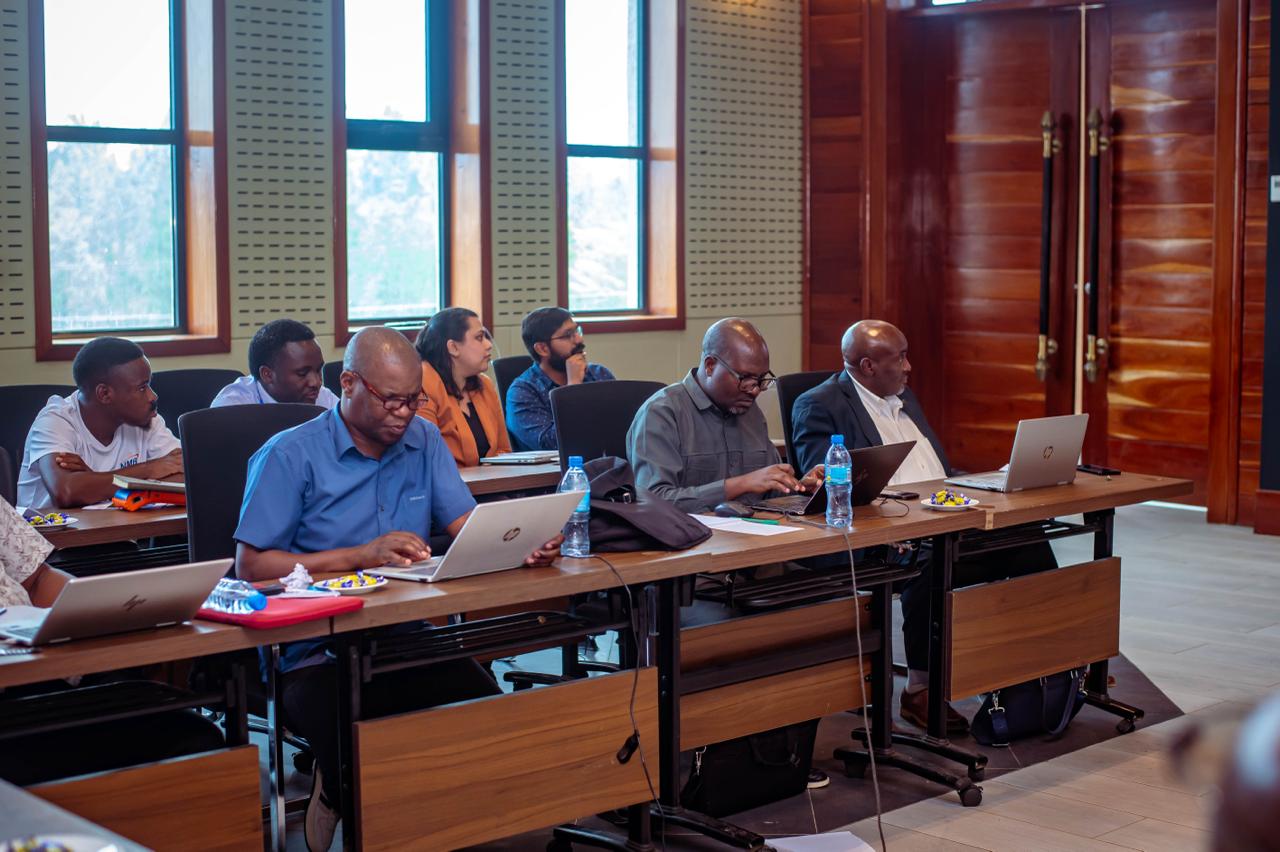
Explaining the concept of PPP, Mr Mauki said the arrangement was similar to the government securing financing for a project, but instead of directly operating it and collecting revenue to repay the investment, it assigns those responsibilities to a private investor under agreed terms.
“PPP projects are government projects. It is like the government has borrowed money, but instead of collecting revenue itself and repaying the loan, it entrusts another party to operate the project,” he said.
He explained that the Market Sounding meeting was an important legal step in project preparation, aimed at gathering views and technical advice from stakeholders before finalising documents that would guide the process of identifying a private investor.
Mr Mauki said PPP project preparation required comprehensive documentation detailing the proposed project to ensure that the investor selection process was based on verified information and assessments.
He noted that the government receives financial support from the World Bank to facilitate the preparation of PPP projects, including the studies and analyses required before they proceed to implementation.
He emphasised that the Market Sounding meeting was not a tendering process but rather part of the preparatory stage of the project.
He said the process would subsequently proceed to the tendering stage, during which a suitable private investor would be selected to undertake the project.
Given the importance of the exercise, Mr Mauki urged participants to openly share their views and professional advice to improve the project preparations and ensure that all relevant issues were considered before the feasibility study was completed.
He added that the views and recommendations submitted by stakeholders would be reviewed and incorporated by experts responsible for preparing the project.
Mr Mauki said the assessment process would continue until the feasibility study was completed, providing clarity on key aspects of the proposed project and laying the groundwork for subsequent implementation stages.



The article offers a helpful introduction while still including details that make the subject worth exploring further. I particularly liked how the information was connected throughout the piece. It overlaps with a topic I have previously discussed on my website.
This article offers a useful combination of background information and interesting details. I found the explanations easy to understand, even without knowing much about the subject beforehand. My website also includes a related piece that readers may find useful for comparison.