Tanzania backs diplomacy, calls for end to unilateral sanctions
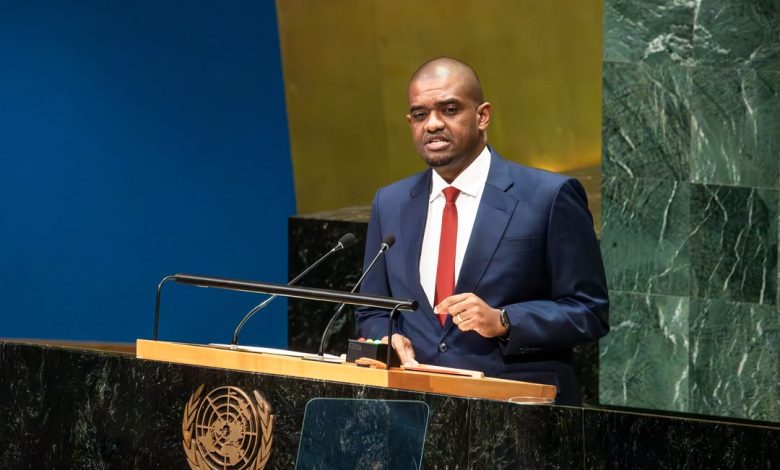
NEW YORK: TANZANIA has called for the removal of unilateral sanctions and renewed diplomatic efforts to resolve international conflicts, reaffirming its commitment to a multilateral system based on sovereignty, equality and peaceful settlement of disputes.
Vice President Deogratius Ndejembi said Tanzania opposed unilateral sanctions imposed by individual countries, arguing that such measures can affect national sovereignty and economic development.
He said Tanzania stood in solidarity with countries including Cuba and Zimbabwe that face such measures and called for deliberate steps towards their unconditional removal.
Tanzania has previously expressed the same position at the United Nations, including support for the lifting of sanctions and embargoes against Cuba and solidarity with Zimbabwe.
On Gaza and the wider Middle East, Mr Ndejembi called for the protection of civilians, unhindered humanitarian assistance and renewed diplomatic efforts to achieve lasting peace.
The UN has continued to report serious humanitarian needs in Gaza, including restrictions affecting access to humanitarian assistance and ongoing casualties.
Mr Ndejembi said Tanzania’s position at the UN General Assembly reflected its broader effort to link national development priorities with Africa’s role in the international system.
He said the United Nations should uphold justice, solidarity, equality and development for all nations rather than simply reflecting existing global power relations.
Tanzania’s position comes as the country seeks a non-permanent seat on the UN Security Council for the 2029–2030 term. The government has said its priorities would include strengthening Africa’s voice, promoting preventive diplomacy, advancing peaceful conflict resolution and supporting reforms of the international peace and security system.
The Security Council bid is part of Tanzania’s broader call for reforms that would give developing countries and Africa greater representation in global decision-making.