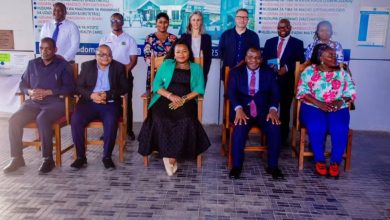
With 42% service share, Tanzania reaps benefits from Church-owned hospitals
0DODOMA: CHURCH-owned health facilities provide about 42 per cent of health services in Tanzania, operating more than 900 centres nationwide, including three zonal referral hospitals that have become pillars of specialised care, research, and medical education.
This was revealed on Wednesday in Dodoma by Archbishop Renatus Nkwande of Mwanza Archdiocese, who is also the Chairperson of the Tanzania Episcopal Conference (TEC) Health Board, while opening the 88th Tanzania Christian Medical Association (TCMA) Annual General Meeting 2025.
He said the church runs 105 hospitals, of which three are Bugando Medical Centre in Mwanza, Kilimanjaro Christian Medical Centre (KCMC) in Moshi, and Arusha Lutheran Medical Centre (ALMC) , serve as zonal referral hospitals.
In addition, 12 regional referral hospitals and 37 district-designated hospitals (Council Designated Hospitals – CDH) operate under formal agreements with local government authorities.
“Indeed, this contribution is significant and must be formally recognised in the national health policy,” Archbishop Nkwande stressed.
ALSO READ: Over 30 traditional remedies now offered at 14 regional referral hospitals
He further urged the government to channel basket fund allocations directly to church-owned facilities instead of routing them through council accounts, noting that delays often cause serious operational challenges.
The Archbishop also appealed for a fair distribution of human resources, saying many faith-based hospitals are left without key specialists, leading to deteriorating services.
He underscored the urgent need for investment in modern equipment and renovation of ageing infrastructure to ensure competitiveness in the fast-evolving health sector.
“Without such support, we will not be able to withstand the pressure of today’s healthcare demands,” he cautioned.
At the same time, Archbishop Nkwande reminded church health workers to embrace their dual responsibility of professionalism and spirituality.
“As faith leaders, we must recognise that healthcare is not only a technical service but also a spiritual mission,” he said.
For his part, TCMA President Dr Gresmus Ssebuyoya said most faith-based health facilities are located in rural areas, serving low-income populations.

He added that church facilities include 134 health centres, more than 697 dispensaries, and a specialised HIV/AIDS care centre.
He noted that many facilities treat more patients than some government hospitals due to the high demand for affordable services, but continue to face challenges, including arrears from the Service Development Levy (SDL). Despite repeated requests for government relief, the levy continues to weigh heavily on operations.
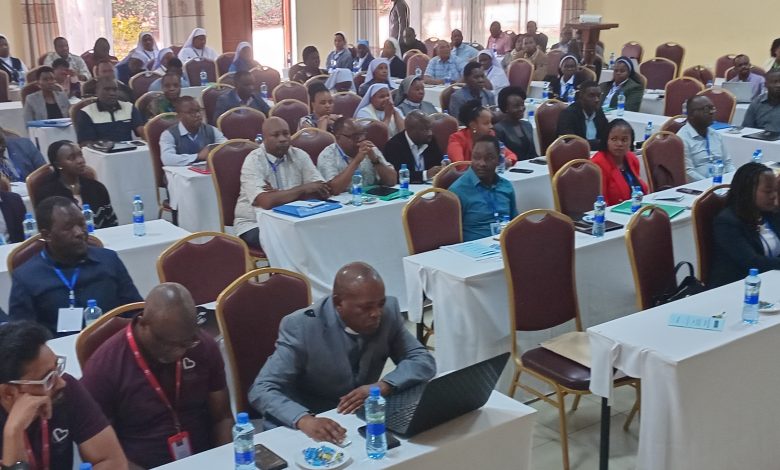
The 2025 AGM, which began on September 1, 2025, has brought together 300 participants, including doctors, hospital administrators, senior nurses, and health professionals serving in faith-based facilities from all regions of mainland Tanzania
The 2025 AGM is being held under the theme ‘Empowering Faith-Based Health Systems to Deliver Universal Health Coverage at the Last Mile’, with participants focusing on strategies to strengthen the sector and sustain quality services for all Tanzanians.