What does 2026 hold for pigeon peas
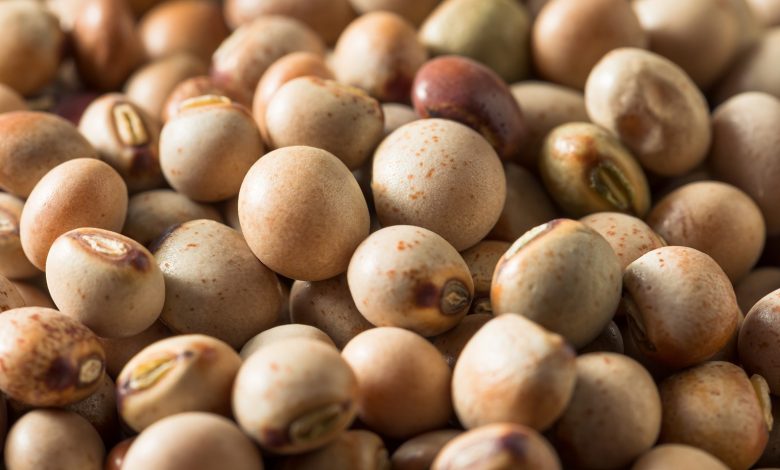
DAR ES SALAAM: EVEN as we are in the foothills of 2026, it is imperative that we try to see through what lies ahead for pigeon peas arguably the most important pulses crop in terms of the value it brings, particularly following exports to India and other international markets.
While much of the recent analysis in the pigeon pea subsector has focused on weather forecasts, an undeniably critical factor, today’s discussion shifts attention to what the market itself has to offer, with particular emphasis on continental India, the world’s largest consumer of pigeon peas.
Tanzania, alongside other key exporting countries such as Mozambique, Malawi, Sudan and Myanmar, plays a central role in filling the supply gap left when Indian farmers are unable to meet domestic demand. This role becomes even more critical in years of production shortfalls in India.
Market forecasts for 2026 indicate that the global pigeon pea market will be heavily influenced by sustained and rising demand from India, where production is expected to decline sharply to around 3.0 million tonnes.
This represents a 20 per cent drop from the approximately 3.5 million tonnes produced in the previous season, thereby increasing India’s reliance on imports from major producers in Africa and Asia. The projected decline in Indian production is largely attributed to severe weather disruptions.
Heavy rainfall and prolonged water logging in major pigeon pea-producing states such as Maharashtra and Karnataka occurred during critical flowering and pod-setting stages, leading to reduced yields and, in some cases, complete crop losses.
With climate variability becoming more frequent, such production shocks in India are likely to persist, reinforcing the importance of external suppliers in stabilising the market. The country emerged as Africa’s leading exporter of pigeon peas in the 2024/25 season, exporting 341,126 tonnes valued at more than 234 million US dollars.
ALSO READ: Artificial intelligence is not the threat, fear is
This strong performance underscored the country’s growing importance in the global pigeon pea trade. In 2026, the country is expected to produce more than 400,000 tonnes, signalling a significant expansion in output.
This production window positions Tanzania as a potential major beneficiary of what could be described as a “lottery” opened by Indian consumer demand. To make optimal use of this opportunity, the country must move beyond simply exporting raw volumes and adopt a more strategic, coordinated approach.
First, ensuring consistent quality will be critical. Indian importers are increasingly sensitive to grain size, moisture content, cleanliness and varietal uniformity. Strengthening quality control systems at farm, aggregation and export levels through better grading, improved storage facilities and stricter inspection protocols can help the country pigeon peas command premium prices and build long-term buyer confidence.
Second, the country can benefit significantly from improving market access and trade diplomacy. Proactive engagement with Indian authorities on import quotas, phytosanitary requirements and tariff regimes will be essential. Government-to-government dialogue, coupled with private sector participation, can help secure favourable trade terms and reduce uncertainty for exporters. In seasons of Indian shortage, countries that are well-organised and visible in the policy space tend to gain preferential access.
Third, investment in value addition presents a powerful opportunity. Rather than exporting pigeon peas solely in raw form, the country can expand into cleaning, splitting (dal processing) and packaging. Even modest levels of local processing can substantially increase export earnings, create jobs and reduce post-harvest losses. As Indian consumers and diaspora markets demand ready-to-use pulses, Tanzanian exporters who offer semiprocessed or consumer-ready products will enjoy a competitive edge.
At the farmer level, productivity gains must not be overlooked. While the country’s projected output is encouraging, yields per hectare remain below potential. Expanding access to improved seed varieties, promoting better agronomic practices and strengthening extension services can raise yields without significantly increasing cultivated area.
Contract farming arrangements and warehouse receipt systems can further incentivise farmers by offering price stability and improved access to finance. Logistics and infrastructure also deserve attention. Efficient transport from production zones to ports, reduced turnaround times at export points and reliable shipping schedules will be decisive in a high-demand year like 2026.
ALSO READ: Tanzania reserve management, poverty narratives and currency stability
Delays and inefficiencies can erode price advantages, especially when competing suppliers are equally eager to capture the Indian market. What we have observed last year, a missed shipping lines caused by traffic jam that blocked a number of trucks that carried Pigeon peas and other pulses crops, should serve as a lesson this year.
By and large, 2026 presents Tanzania with a rare convergence of strong production prospects and exceptional external demand driven by supply shortfalls in India.
By focusing on quality, market access, value addition, farmer productivity and logistics efficiency, Tanzania can transform this opportunity into sustained gains for its pigeon pea sector. Rather than a one-off windfall, the year could mark a turning point toward deeper integration into global pulse markets and long-term agricultural growth.