TPDC to study environmental impact of Dar–Chalinze gas pipeline
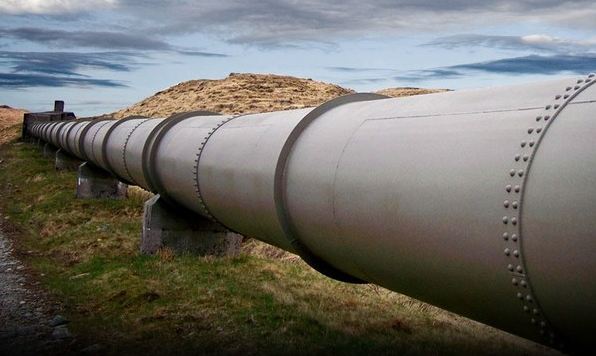
DAR ES SALAAM: THE Tanzania Petroleum Development Corporation (TPDC) is set to undertake an Environmental and Social Impact Assessment (ESIA) for the proposed Dar es Salaam–Chalinze natural gas transmission pipeline, as part of preparations to expand and strengthen the country’s gas infrastructure.
According to a public notice published in the Daily News yesterday, the ESIA study will be carried out between February and June this year and will cover both the pipeline route and areas earmarked for potential industrial gas consumers.
These include Kibaha Municipal Council, Kibaha District Council, the Kwala Dry Port area and Chalinze District Council. The proposed project involves the construction and operation of a natural gas transmission pipeline linking Dar es Salaam to Chalinze, with the aim of improving the reliability of energy supply and supporting Tanzania’s national socio-economic development agenda.
The ESIA study will be conducted by the Gulf Interstate Engineering from the United States, in association with Tanzaniabased PaulSam Geo Engineering Company Limited.
ALSO READ: Banks set the tone for Dar Stock Exchange
In line with the Environment Management Act (EMA) No. 20 of 2004 and the Environmental Impact Assessment and Audit Regulations of 2005, as amended in 2018, TPDC has invited all stakeholders to participate in the assessment process.
Individuals, institutions, communities and other interested parties are encouraged to submit written comments, provide suggestions or seek clarifications regarding the project.
The ESIA will cover project areas across Dar es Salaam City Council, Ubungo, Kisarawe, Kibaha and Chalinze districts.
Affected wards include Gongolamboto, Pugu station, Kinyerezi, Kwembe, Kiluvya, Tumbi and Sofu. Others are Viziwaziwa, Kongowe, Mkuza, Misugusugu, Visiga, Boko Mnemela, Janga, Mlandizi, Mtongani, Vigwaza, Pera, Msoga and Lugoba.
The notice further stated that key activities under the ESIA will include environmental and social baseline studies, public consultations and stakeholder engagement, assessment of potential environmental and social risks and impacts, as well as the preparation of environmental and social management and monitoring plans.
TPDC said the project is expected to generate wide-ranging socio-economic benefits for host communities, including the creation of jobs during both the construction and operational phases, stimulation of small and mediumscale businesses, and higher revenues for local authorities through taxes and statutory fees.
The corporation added that the project will also support parallel improvements in key infrastructure such as roads and water services, while ensuring active community participation throughout the various stages of implementation.
Once completed, the ESIA findings will guide decision-making on the project’s development and ensure that environmental and social considerations are fully integrated into its implementation.