TMDA investigates ARV use in livestock
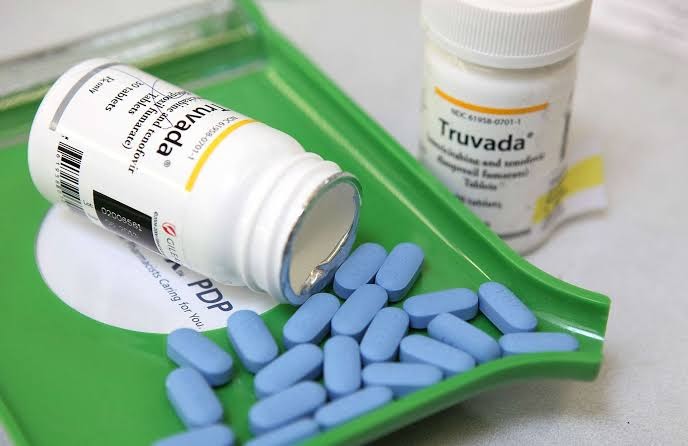
TABORA: THE Tanzania Medicines and Medical Devices Authority (TMDA), in collaboration with other institutions, is conducting a comprehensive study to determine the extent of the use of antiretroviral drugs (ARVs) in livestock fattening.
The initiative follows growing reports suggesting that some livestock keepers may be using ARVs to hasten the fattening process of their animals, posing potential health risks to consumers.
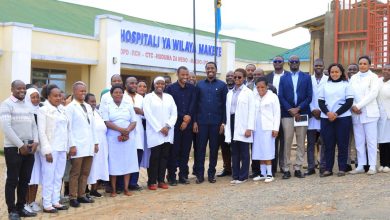
TMDA Director General, Dr Adam Fimbo, revealed the ongoing study during a stakeholders’ meeting with editors from various media houses, held in Tabora on Wednesday.
“Once the study is complete, we will be in a better position to address this challenge appropriately because, if left unaddressed, the practice could raise serious public health concerns,” he said.
The meeting was aimed to enhance editors’ understanding of TMDA’s regulatory functions and to showcase its key achievements under the Sixth Phase Government.
Revealing progress, Dr Fimbo noted that a total of 8,332 types of medicines have been registered during this period, significantly boosting public access to essential drugs and contributing to improved healthcare across the country.
Opening the meeting earlier, Tabora Regional Commissioner (RC) Mr Paulo Chacha commended TMDA for its effective regulatory work since its inception.
He praised the decision to establish a zonal TMDA headquarters in Tabora, calling it a great honour for the region.
He pledged to fast-track the issuance of the land title deed to facilitate the construction of the new office, especially given Tabora’s strategic position along the Standard Gauge Railway (SGR) corridor.
“Major improvements have taken place in the health sector under the sixth phase government, including strengthening institutions like TMDA,” he said.
ALSO READ: Tanzania to establish 10 new ARV factories
The RC also expressed concern over the rampant unauthorised advertisements of human medicines, calling for greater collaboration with TMDA to regulate such content.
He urged business owners to be educated on the dangers of counterfeit and substandard medicines and medical devices, which are unsafe for public use.
Chairperson of the meeting, Ms Joyce Shebe said the media must play a critical role of educating the public on the proper use of medicines and medical devices.
“TMDA’s initiative to involve editors in this working session is a crucial step in equipping us with the knowledge we need to report more effectively on health issues,” she said.
In his presentation on TMDA’s laboratory services, Director of Laboratory Services, Dr Danstan Shewiyo, said the authority had significantly expanded its services across the country.
“We have plans to further extend laboratory services to bring them closer to the people,” he said.
He added that TMDA had increased the number of operational laboratories from one to three and boosted the number of staff.
He said the number of samples tested annually has risen from an average of 800 to 5,700, thanks to substantial investment in laboratory infrastructure and modern equipment.
Dr Shewiyo said TMDA remains committed to ensuring the safety, quality and effectiveness of medicines and medical devices in Tanzania, as it continues to strengthen its capacity and collaborate with key stakeholders.