‘The power of inclusive sports in Tanzania and beyond’

COAST REGION: FOR a long time, sports have been described as a powerful tool for uniting people, regardless of their age, race, or religion, as long as they are in good health and able to move from one place to another.
Sports play a crucial role in day-to-day activities and have recently become a reliable source of employment. Many individuals successfully improve their living standards simply by engaging in sports, which has proven to be a key driver of their livelihoods.
Numerous examples highlight the significant impact of sports on the lives of those directly or indirectly involved, drawing more people to participate. One notable aspect is the role of inclusion in sports, which serves as a bridge to ensure no one is left behind in various sports disciplines worldwide.
Special Olympics Tanzania leads the way in fostering a culture of inclusion in sports by actively involving individuals with intellectual disabilities in sports programs alongside their peers.
This initiative has yielded tangible results, as the number of intellectually challenged participants continues to grow and they take joy in their involvement. Recently, Special Olympics Tanzania organised an engaging inclusion sports event at the Filbert Bayi Olympafrica Centre in Kibaha, Coast Region.
ALSO READ: Minister orders completion of 758 communication towers
The event, themed “Inclusion through Sports,” was funded by the German Federal Foreign Office and the German Sports Olympic Confederation (DOSB), with Lions International as co-sponsors.
The inclusion project extends to Kenya, Uganda and Burundi, focusing on the development of Unified Sports—an approach that integrates athletes with and without intellectual disabilities.
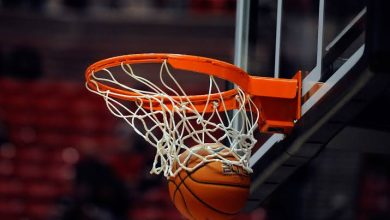
Football, volleyball and basketball were the highlights of the event, where athletes competed joyfully, showcasing the essence of inclusive sports.
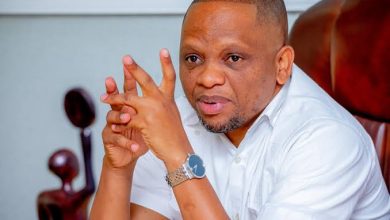
Deputy Director of Special Needs at the President’s Office, Regional Administration and Local Government (PORALG), Ernest Hinju, praised Special Olympics Tanzania for promoting inclusive sports. He emphasised its role in enhancing the health and well-being of participating athletes.
“What you are doing is commendable,” he remarked. “You foster a spirit of togetherness between individuals with intellectual disabilities and their peers. As a country, we have talented athletes who need exposure to showcase their abilities. The government will continue to support these efforts to advance inclusive sports.” Tobias Antoni, a DOSB representative, highlighted how inclusive sports help the public recognise the capabilities of individuals with intellectual disabilities.
“This initiative fosters tolerance and a sense of belonging through sports,” Antoni stated. “It also develops social skills and creates opportunities for people to bond and enjoy themselves. We began this project in March with workshops for teachers, coaches and Olympic Committee representatives in the participating countries.
We equipped them with the necessary training and resources to implement the programme.” Antoni expressed gratitude to the sponsors and emphasised the importance of collaboration with the government and private sector to ensure the project’s sustainability.
Renowned Tanzanian athlete Filbert Bayi reinforced the unifying power of sports, noting its ability to bring people together. “Through sports, we are here together, something I never imagined,” he said.
“Facilities like these need people like you to utilise them and you are always welcome.” Special Olympics Tanzania National Director Charles Rays also called on parents and guardians of individuals with intellectual disabilities to encourage their participation in sports.
“These individuals have a passion for sports and should be given opportunities to showcase their talents. The community must remain open and inclusive,” Rays said.
Sports remain a powerful force for uniting people, uplifting lives and fostering inclusion. Initiatives like those led by Special Olympics Tanzania serve as a testament to the transformative impact of sports, proving that with the right support and collaboration, inclusion can thrive.