TASAF beneficiaries counseled on goods standards
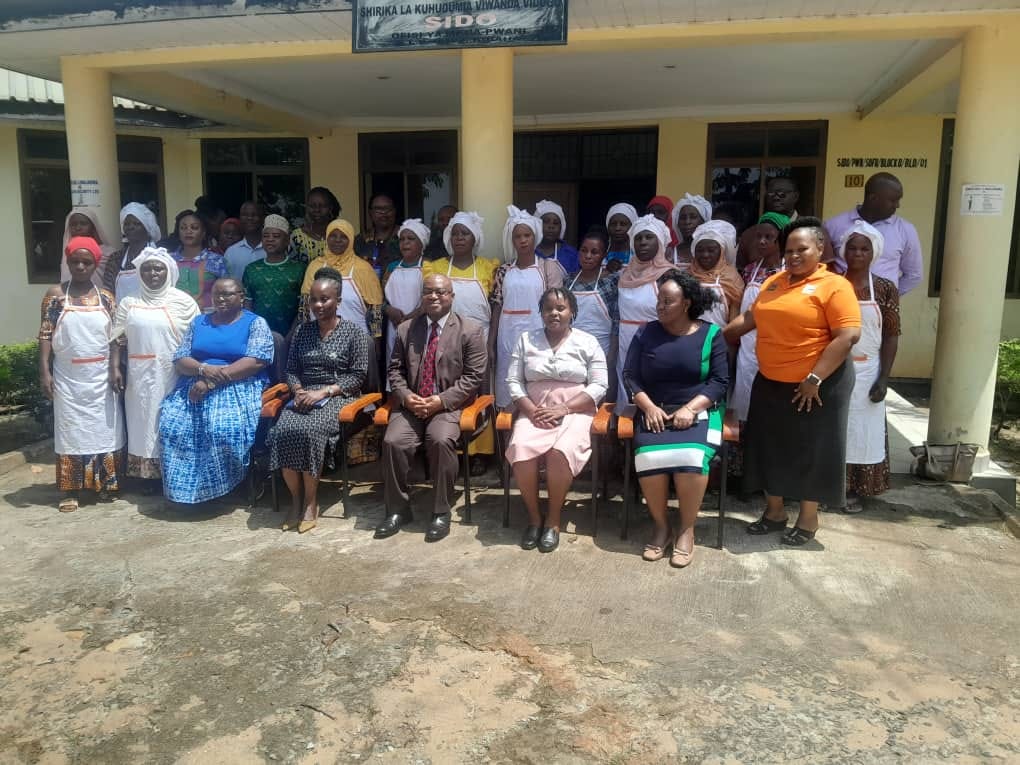
COAST REGION: TANZANIA Social Action Fund (TASAF) beneficiaries from the Coast Region have been encouraged to produce high-quality products that can compete in local and global markets.
Coast Region, Regional Administrative Secretary (RAS), Mr Rashid Mchatta, said recently that high quality products can penetrate wide markets and generate income for themselves and contributing to the nation’s economy.
“High-quality products have the potential to penetrate both local and global markets by meeting consumer demands, ensuring consistency and adhering to international standards,” he said.
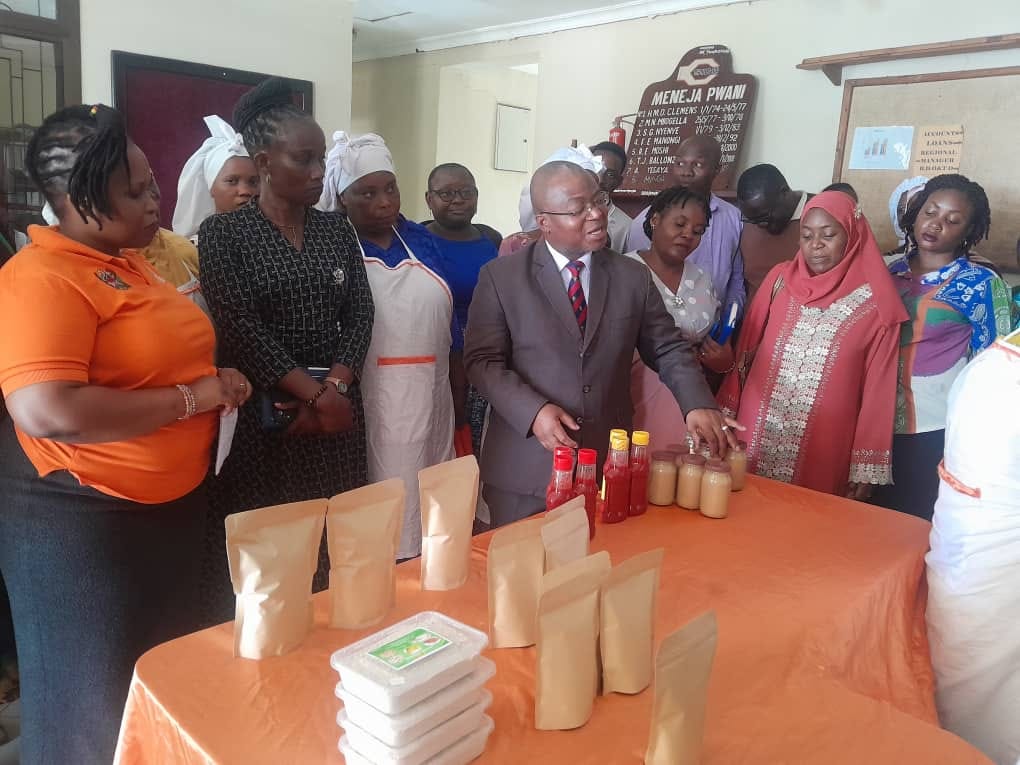
Mr Mchatta made the statement at the conclusion of a five-day training for TASAF beneficiaries, organised by the Regional Commissioner’s office at the Small Industries Development Organisation (SIDO) in Kibaha Town.
The training brought together 20 beneficiaries from four district councils including Bagamoyo, Kibaha Town, Kibaha District and Chalinze, along with four Community Development Officers from these councils.
Mr Mchatta emphasised that the government introduced the programme to help households living in poverty improve their lives through various sustainable projects.
ALSO READ: Why locals hail TASAF funds, trainings in fighting poverty
He urged beneficiaries to put into practice the skills learned during the training to achieve positive outcomes.
“After this training, you are expected to produce quality products that will fetch good prices, benefitting not only you but the nation as a whole,” he stated.
TASAF’s Regional Coordinator, Ms Roseline Kimaro, highlighted the office’s efforts in implementing government directives through the Ministry of the President’s Office Regional Administration and Local Government (PO-RALG).
These directives ensure beneficiaries are well-prepared before receiving loans from 10 per cent of the council’s revenue.
“We are ensuring that beneficiaries are equipped to manage profitable projects using the loans provided by their councils. The goal is to prevent them from falling back into poverty after graduating from the programme,” she explained.