Tanzania praised for leading in addressing NTDs
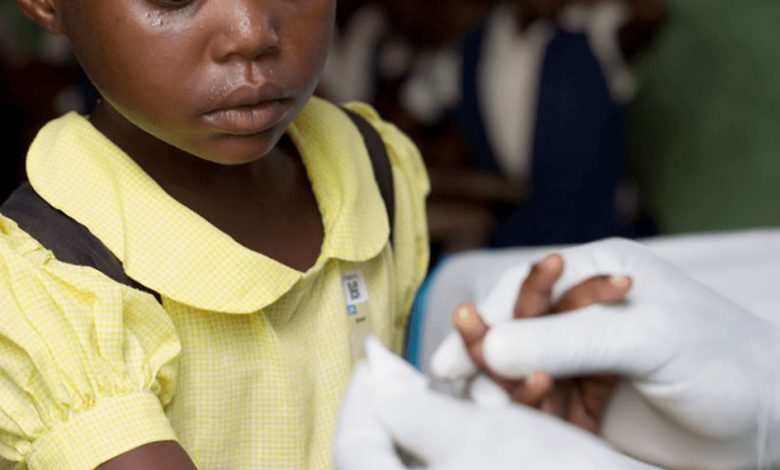
ZANZIBAR: PRESIDENT Samia Suluhu Hassan has been praised for her political will and commitment in tackling diseases in Africa which have made Tanzania a role model in combating neglected tropical diseases.
Tackling Infections to Benefit Africa (TIBA) Deputy Director Professor Fransisca Mutapi hailed President Samia at the two-day meeting on “amplifying the voice of the affected to accelerate efforts to control and elimination of NTDs in Africa, which is being held here.
“Fighting NTDs need unity, political will and committed leaders, President Samia and her government have shown the way. Dr Samia said during the ‘Kigali Declaration’ that the affected should be involved in policy making, and this is what we are now doing in the meeting,” said Prof Mutapi.
Dr Paul Kazyoba, from TIBA Tanzania and the National Institute for Medical Research explained about the objectives of the meeting in Zanzibar and that the TIBA initiative signed the Kigali Declaration to end neglected tropical diseases (NTDs), becoming the first African led research partnership to do so.
He said TIBA (the abbreviation means “to cure an infection” in Swahili) is an Africa-led, wide-ranging, multi-disciplinary research programme that explores and draws lessons from the ways different African health systems tackle infectious diseases.
Health scientists and researchers from nine countries: Botswana, Ghana, Kenya, Rwanda, South Africa, Sudan, Tanzania, Uganda and Zimbabwe are working with the UK’s University of Edinburgh to generate new knowledge and inform comparative analyses of health systems.
In her opening remarks, Dr Fatma Kabole, deputy director of preventive services under Zanzibar Ministry of health said that in sub-Saharan Africa, NTDs limit educational opportunities for school-aged children by interfering with cognitive development, affecting school attendance, and grossly affecting child development.
Her speech was read at the meeting by Dr Shaali Makame Ame, the Zanzibar NTD Programme Manager, adding that NTDs have caused social stigma to the affected, both at the family and community levels and this led the victims to be trapped into a cage of fear and lack of confidence, ultimately pushing them to unprecedented socio-economic hardship.
She explained that Zanzibar and Tanzania mainland have been progressing well in addressing NTDs, but “We all need to demand for actions which will exonerate the affected from socioeconomic hardship and stigmatisation, thereby providing a lifeline for them to have great access to quality healthcare services, education and economic opportunities.