

Tanzania moves to secure future food systems
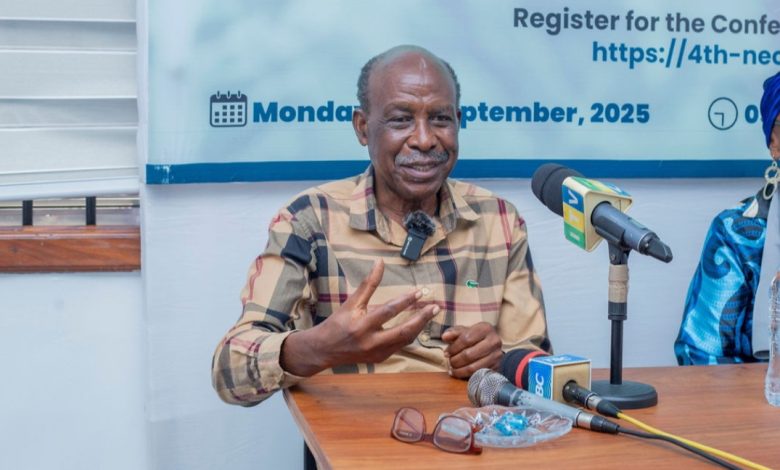
DODOMA: TANZANIA is set to take a major step toward securing the nation’s future food systems as more than 400 key agricultural stakeholders prepare to converge in Dodoma for the Fourth National Ecological Organic Agriculture Conference (IV NEOAC), a high-level forum expected to influence how the country produces safe, nutritious and sustainable food.
The national meeting, scheduled for March 3 to 5, is organised by the Tanzania Organic Agriculture Movement (TOAM) in collaboration with the Ministry of Agriculture and comes at a time when the country is strengthening efforts to boost food security, protect public health and build climate-resilient farming systems.
The conference will bring together farmers, policymakers, researchers, private sector players, civil society organisations and development partners to chart pathways for reducing dependence on hazardous agro-chemicals, improving productivity and increasing farmers’ incomes while safeguarding the environment.
Speaking to journalists yesterday in Dar es Salaam, TOAM Chief Executive Officer Bakari Mongo said the forum will focus on strengthening agroecological and organic farming approaches as a strategic national response to rising food safety concerns, climate change impacts and the need for sustainable agricultural growth.
“This conference will provide a platform for stakeholders to jointly identify solutions that can increase farmers’ incomes, ensure the production of safe and nutritious food and strengthen sustainable agricultural systems across the country,” he said.
Mr Mongo added that discussions will cover organic and agroecological technologies, climate resilience, innovation in food systems and market development, with the aim of positioning ecological organic agriculture as a viable contributor to national food security and economic growth.
On her part, TOAM Board Chairperson Dr Mwatima Juma said the shift toward ecological organic agriculture offers Tanzania an opportunity to protect public health while restoring soil fertility, conserving biodiversity and opening access to high-value markets.
She said many farmers across the country have already adopted Ecological organic practices, including the use of natural pest control methods, helping to reduce health and environmental risks linked to toxic agrochemicals.
“Ecological Organic agriculture supports the production of food and cash crops that are free from toxic pesticides, making them safer for human health and the environment,” she said.
Dr Juma said that the continued use of hazardous chemicals in crop production has been associated with rising public health concerns, including non-communicable diseases, underscoring the need for sustainable alternatives.
“Through this conference, farmers and stakeholders will have an opportunity to make informed choices on farming systems that promote safe food, environmental protection and long-term productivity,” she added.
She further said the Dodoma forum will also explore opportunities to expand regional and international markets for organic produce, a move expected to strengthen Tanzania’s competitiveness and create better income opportunities for farmers.
Representing sponsors, Swiss Aid official Gladness Martin reaffirmed the organisation’s support for Tanzania’s drive to scale up organic and agroecological agriculture, saying it aligns with national and global efforts to protect ecosystems while strengthening community livelihoods.
She said ecological organic farming plays a vital role in building resilient food systems capable of withstanding climate shocks while reducing long-term health and environmental costs.
The fourth NEOAC conference is expected to serve as a major national platform for strengthening policy dialogue, research collaboration and multi-stakeholder partnerships, contributing to Tanzania’s broader agenda of food sufficiency, environmental conservation and inclusive agricultural transformation.



https://www.naeb.gov.rw/rwanda-coffee/about-rwanda-coffee
WE are collaborateurs with iran.presstv.ir
.
WE are open too find news kind of products , example :fruits du jacquier.
WE open agricole multimodal échange in Ségou deriere la caserne.
“Le FMI savait” : Sonko refuse la restructuration imposée
19 k vues · il y a 1 jour#OusmaneSonko #DetteDuSénégal #FMI
…afficher plus
L’Afrique qu’on Aime
7,03 k
Nathalie Yamb AVERTISSAIT le Sénégal ! 😱 Le VIRAGE de Diomaye Faye trahit-ils Ousmane Sonko ?
918 vues · il y a 1 moisSENEGAL
…afficher plus
Nouvelles d’Afrique
961
S’abonner
6
Partager
Enregistrer
Signaler
Commentaires
News / Palestine / Persian Gulf / North Africa / Editor’s Choice
Nearly 90% of people in Arab countries oppose normalization with Israel: Poll
Thursday, 08 January 2026 9:53 AM [ Last Update: Thursday, 08 January 2026 9:53 AM