TANZANIA AT 64: A call for the youth to reclaim Nyerere’s spirit
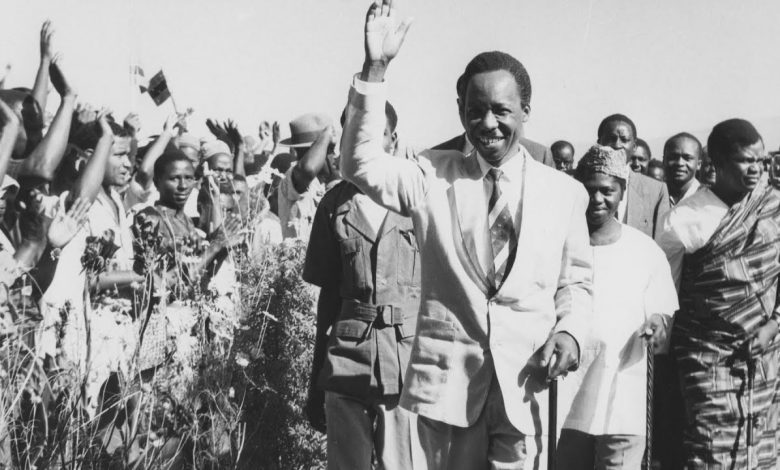
DAR ES SALAAM: TANZANIA marks 64 years of independence at a moment of profound reflection.
Each year brings an opportunity to look back, to honour the journey that began in 1961 and to ask ourselves what independence truly means today. But this anniversary carries a deeper weight.
The world is changing fast and not always kindly. The pressures of global politics, foreign interests, economic shifts and the unstoppable flood of digital information demand something more from us especially from the youth who will carry this nation into its next chapter.
This is a call, therefore, not just to celebrate, but to awaken. To remember. And to recommit. When Julius Kambarage Nyerere led Tanganyika to independence, he offered the nation more than political freedom.
He offered a philosophy one rooted in dignity, equality, service and unity. He believed that a nation’s true freedom could never be measured simply by lowering a colonial flag and raising a new one.
Real independence required self-respect, discipline and the courage to stand on one’s own feet.
He often reminded Tanzanians that “independence is not a magic wand.” It is a responsibility.
At 64, Tanzania must once again return to that truth. The founding purpose of the nation was clear: To build a country where human beings mattered more than material wealth, where unity came before division and where people understood that nation-building was everyone’s job, not the government’s alone. Today, the youth must inherit that purpose.
The task of a new generation
Tanzania’s young people make up the country’s largest demographic. They are full of talent, energy and ambition.
But they also live in a world that is more complicated than the one Nyerere faced. The choices are wider, the temptations deeper, the distractions louder. Yet the expectation remains the same.
The youth must be the moral, intellectual and economic engine of the nation. To meet this responsibility, they must re-centre themselves on the timeless principles that shaped Tanzania’s birth.
These include respect for humanity, service to community, humility, critical thinking and a deep commitment to peace. These values may sound oldfashioned, but they are the foundation of every thriving nation.
Without them, no amount of modernity or technology can create lasting prosperity. Tanzania needs young people who understand that development begins with mindset. It begins with discipline. It begins with character.
ALSO READ: How Nyerere’s vision shaped modern Tanzania
Guarding unity in a fractured world
One of Nyerere’s greatest gifts to the nation was the belief that unity is a strength more precious than gold.
In a region and world where division often leads to destruction, Tanzania has remained largely peaceful.
That does not happen by accident. It is the result of decades of intentional cultivation, a culture of tolerance, dialogue and shared identity. But unity today faces new threats.
Digital spaces spread misinformation faster than truth. Foreign narratives compete with national interests. Tensions from global politics spill into domestic debates.
Online influencers speak louder than educators. And rumours, once whispered, now travel at the speed of light.
The youth must become guardians of the “Tanzanian spirit” the idea that disagreements need not become hatred, that diversity need not become conflict and that our differences enrich us rather than weaken us.
A peaceful nation is the foundation of every dream they hope to chase.
The internet: Tool or trap?
Technology has expanded opportunities, but it has also opened the door to a new category of danger. Young people live in a world where the internet can build or destroy their future depending on how it is used.
The hazardous use of social media is already shaping behaviour, beliefs and even national stability. It encourages comparison instead of contentment. It rewards shock over wisdom.
It fuels anger more easily than understanding. And it can manipulate emotions with stunning precision. Many online platforms are designed not to inform, but to provoke. Not to educate, but to addict.
Not to unite, but to divide. Tanzanian youth must learn to master their digital habits rather than be mastered by them. They must develop digital discipline, a modern form of self-reliance.
Before forwarding, they must verify. Before reacting, they must reflect. Before insulting, they must imagine the impact. Being responsible online is part of being a responsible citizen. Digital citizenship is now national citizenship.
Standing firm against foreign influence
Tanzania’s independence was a hardwon victory and it must never be reduced to symbolism. Independence means sovereignty of decisions, sovereignty of identity and sovereignty of priorities.
But in a globalised era, foreign influence does not always look like occupation. Today it appears in more subtle forms economic pressure, media narratives, political persuasion, online agitation or the branding of certain foreign cultures as superior.
Others may attempt to shape our choices or weaken the bonds that hold our communities together. Sometimes the influence comes disguised as help. Sometimes it comes through individuals sponsored to shift public opinion.
Sometimes it comes through misinformation designed to sow mistrust. Young people must develop the capacity to question.
To ask: Where is this message coming from? Why now? Who benefits? Nyerere warned us of becoming dependent on external forces, because dependency eventually becomes control. A nation that relies too heavily on others cannot fully protect its own interests.
For Tanzanian youth, independence means learning to think critically, value local knowledge, support domestic industries and believe in the worth of African ideas. Progress does not require the abandonment of national identity.
Modernity does not require the rejection of heritage. Global engagement must not come at the cost of self-respect.
Economic self-reliance begins with mindset
Tanzania has made immense progress, yet the spirit of self-reliance remains essential. Nyerere reminded citizens that no one would build Tanzania for us. Foreign partners can assist, but they cannot replace local commitment.
Funding can support growth, but it cannot define national ambitions. Young people must embrace innovation, entrepreneurship and skills development. Instead of waiting for opportunities, they must create them.
Instead of complaining about challenges, they must search for solutions. Instead of relying solely on employment, they must cultivate the courage to venture into new sectors from agriculture and technology to manufacturing and the creative industries.
Economic self-reliance begins by rejecting the mindset that progress comes from outside. It grows from the belief that Tanzanians can build, produce, innovate and compete.
Every country that is respected in the world has citizens who believe in themselves first.
Citizenship is more than identity
Being Tanzanian is not just a matter of birth. It is a commitment. Citizenship is a daily practice one that requires awareness, responsibility and participation. Young people must learn to protect national interests the way they protect personal interests.
They must understand that the peace they enjoy did not emerge from nowhere. It is the legacy of elders, leaders, families and communities who rejected violence, avoided extremism and valued nationhood over individual ambition.
Citizenship means refusing to be used by those who seek to destabilise the country. It means rejecting divisive rhetoric, online manipulation and political incitement. It means choosing dialogue over destruction. A single irresponsible act can injure a community.
But a single responsible act can inspire thousands. Tanzania stands at 64 not as a fragile nation, but as a resilient one. It has navigated storms economic pressures, political transitions, regional uncertainties and global disruptions.
Through it all, the Tanzanian character has endured: Calm, patient, hopeful and united. But the next 64 years will demand even more. They will demand youth who honour their ancestors not by memorising history, but by embodying it.
They will demand citizens who see independence not as a holiday, but as a responsibility. They will demand a generation that refuses to be carried by the waves of global chaos, but instead charts a steady Tanzanian course.
As the nation celebrates this independence anniversary, the greatest gift the youth can offer Tanzania is commitment. Commitment to values. Commitment to unity. Commitment to using technology responsibly. Commitment to thinking deeply before speaking loudly.
Commitment to Tanzania’s sovereignty. And commitment to building meaningful lives grounded in self-belief. Nyerere’s dream was not a relic of the past. It is the map for the future.
And Tanzania’s future its peace, its prosperity, its dignity depends on whether the youth choose to follow it.