TALIRI advances livestock sector progress

DODOMA: TANZANIA Livestock Research Institute (TALIRI) has made significant strides over the past four years, advancing the livestock sector through strategic research and innovation.
At the Nane Nane agricultural exhibition in Dodoma, TALIRI Director General Prof Erick Komba highlighted breakthroughs benefiting pastoralists, especially in improving indigenous livestock breeds and feed systems.
A flagship project includes developing an improved indigenous chicken breed, Horace, from the Lake Zone regions.
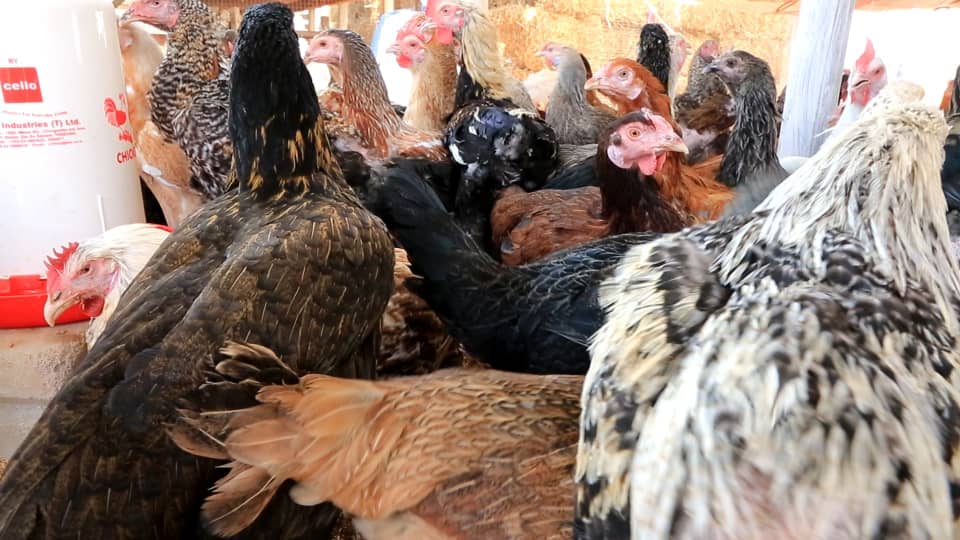
According to Prof Komba, the improved indigenous chicken breed, Horace, exhibits high productivity in both egg-laying and meat production.
“We began with 12 eggs collected from various villages in the Lake Zone, which hatched into 14,000 chicks. This forms the foundation stock (zero generation). We are now in the first generation and the performance is very promising,” he explained.
Once fully developed, the breed is expected to lay 200 to 240 eggs per year, compared to 40 to 60 eggs from traditional indigenous chickens. Additionally, the Horace reaches 1.5kg in just 16 weeks, comparable to exotic broiler and layer breeds.
“What makes this breed special is its tropical adaptation; it is more disease-resistant and suited to local climatic conditions.
At this year’s Nane Nane exhibition, we showcased 16-week-old first-generation chickens weighing between 1.3kg and 1.5kg traits rarely seen in local chickens,” he noted.
The research at TALIRI Naliendele Centre in Mtwara will span six generations. Each generation will be assessed for productivity before establishing a final pure line for mass distribution.
“By the sixth generation, we’ll have a clean, pure line ready to serve farmers nationwide,” he added.
TALIRI is also reviving the Malya goat, a unique crossbreed of indigenous goats, South Africa’s meat-producing Boer goat, and Pakistan’s Kamori dairy goat.
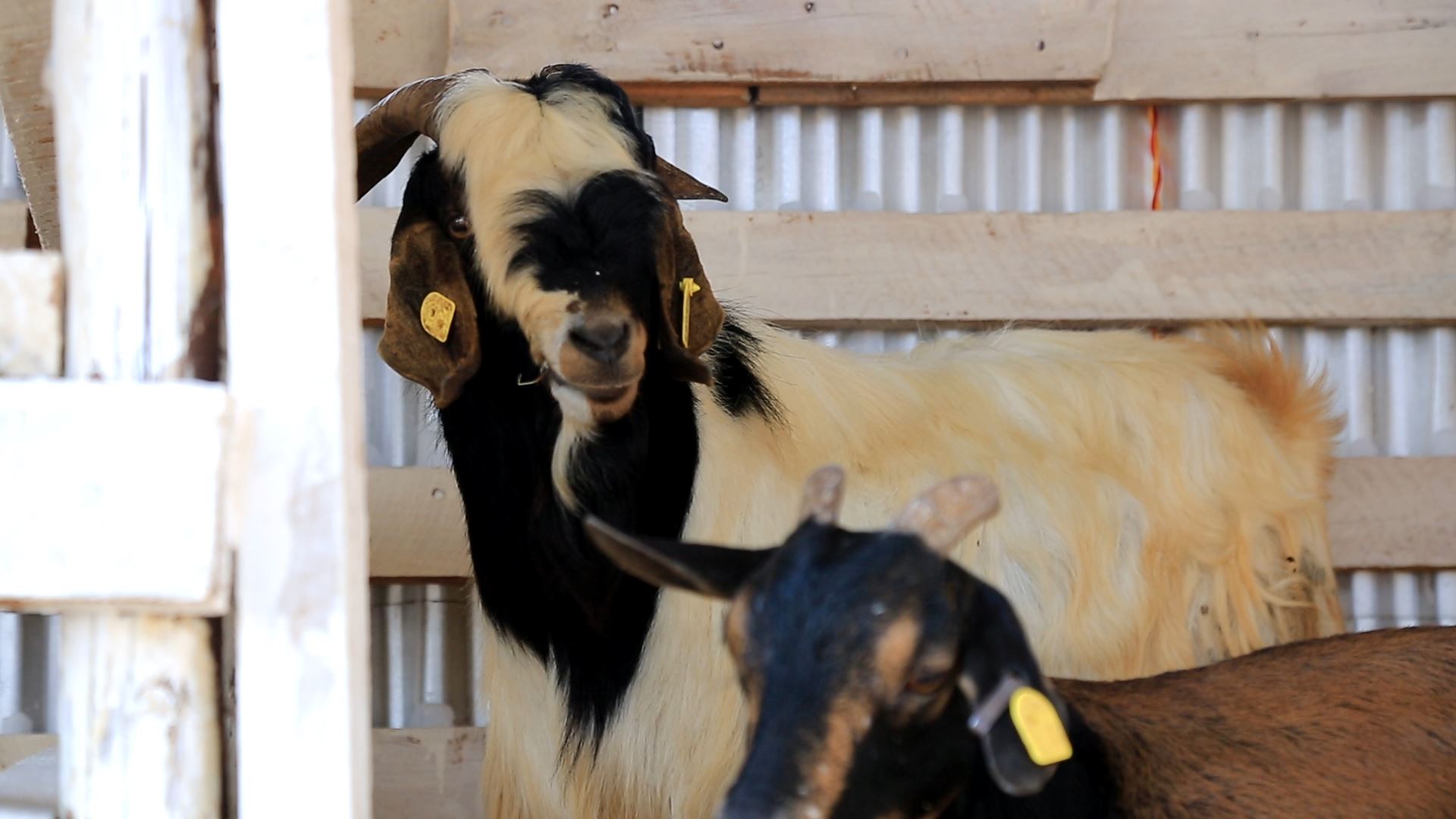
“This crossbreed combines high meat yield and abundant milk production. Once found in Magu District but lost over time, we are reintroducing the Malya goat for wider multiplication and national distribution,” Prof Komba said.
With government support, TALIRI acquired 1,800 indigenous female goats and 60 Boer bucks, distributing 450 females and 15 Boer bucks to each of its four centres.
Crossbreeding will continue, with Kamori traits introduced later to enhance milk productivity.
“Our policy is to distribute only improved male goats (bucks) to livestock keepers while keeping female goats for breeding at the centres to ensure sustainability,” he explained.
“Our goal is to maintain a parent stock of at least 1,000 female goats and collaborate with private stakeholders to expand production capacity.”
Prof Komba emphasised that although TALIRI is a government institution, private sector involvement is essential to meet nationwide farmer needs.
“We are currently selling breeding bucks because the capital required to meet national demand is very high. We will maintain the foundation stock to ensure quality control,” he concluded.