Somalia’s diplomatic resurgence: New era of ties with Tanzania
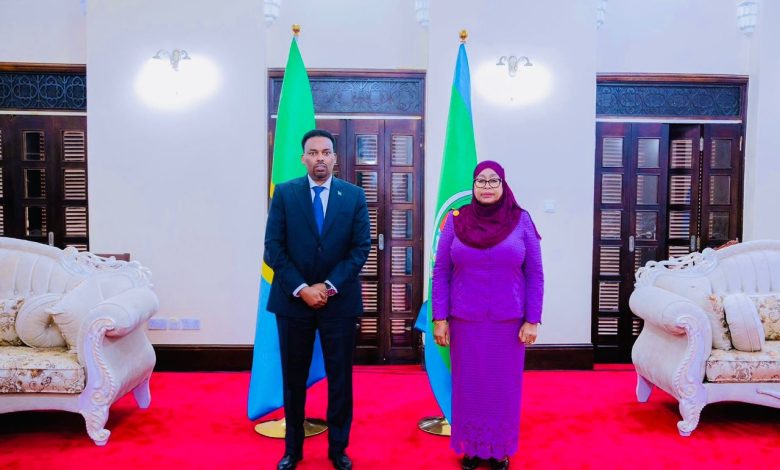
DAR ES SALAAM: The Somali flag is once again flying permanently in Dar es Salaam’s Msasani Peninsula, and the new energy inside the refurbished embassy compound is impossible to miss.
Staff offices that had stood dormant for decades now host round-the-clock working groups, most of them charting how nine fresh bilateral agreements with Tanzania will move from ink to impact over the next eighteen months.
“Diplomacy must translate into real benefits for our people,” Somalia’s Ambassador, Ilyas Ali Hassan says, gesturing toward a wallsized planning chart that maps each accord against specific deadlines. “That is how we prove Somalia is back in business.” The resurgence became public last December, when Tanzania’s Foreign Minister, Mahmoud Thabit Kombo, led the first Tanzanian Cabinet-level mission to Mogadishu in more than thirty years.
Five wide-ranging memoranda were signed that day, covering everything from disease surveillance and defence training to scholarship pathways for Somali students.
Six weeks later the momentum shifted to Dar es Salaam, where Somalia’s then-Foreign Minister Ahmed Moallim Fiqi inked agreements on internal security cooperation, prisoner repatriation and the promotion of Kiswahili as Somalia presses its East African Community accession bid.
By 1 July this year the partnership was ready for its most tangible step yet: a renewed civil-aviation pact that clears Air Tanzania to begin direct Dar–Mogadishu flights, potentially before Christmas, and opens the door for Somali carriers once they meet safety benchmarks.
For traders on both ends of the route, the timetable matters. Kariakoo exporter Fatuma Khalfan has already priced how a three-hour hop will shave nearly a third off her freight costs to Somalia’s fast-growing consumer market.
ALSO READ: Tanzania, Oman in meeting to deepen diplomatic, labour ties
Somali seafood shippers, meanwhile, see Dar’s cold-chain and rail links as a faster bridge to Gulf buyers. Port planners say synchronised sea-air schedules usually follow new passenger routes, pulling maritime volumes in their slipstream.
“The East African sky should be busy with our colours,” Ambassador Ilyas enthuses, arguing that each full cabin is “an airborne business forum” connecting suppliers, students and investors at 35,000 feet. Education is the second early winner. Under the scholarship agreement struck in Mogadishu, Tanzanian universities will welcome cohorts of Somali engineering and medical students from January 2026, a move the envoy believes will embed lifetime professional ties.
Simultaneously, the Kiswahili accord has prompted the University of Dar es Salaam to develop pilot curricula for schools in Kismayo and Beledweyne. Dr Susan Mdee, who heads curriculum design at UDSM’s Institute of Kiswahili Studies, calls language “the first handshake” between economies: “Once young Somalis speak Kiswahili confidently, they can pitch start-ups in Dar, intern in Arusha or staff hotels in Zanzibar without feeling like outsiders.” Security cooperation is next on the calendar.
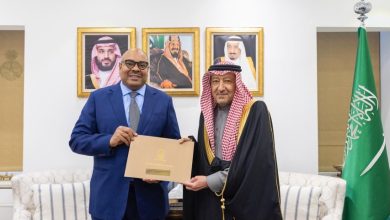
Joint coastal-surveillance courses open in Tanga this November, pairing Tanzanian naval expertise with Somali knowledge of Western Indian Ocean currents. Illegal fishing and smuggling, Ambassador Ilyas notes, “care little for painted flags, so neither should our patrol strategies.” Yet Somalia’s envoy is not solely focused on Tanzania. Within six months of taking office he presented his credentials in Kigali, Lilongwe and Moroni, reaffirming Somali commitments to trade, agriculture and maritime development in Rwanda, Malawi and the Comoros.
Talks with Mauritius have centred on blue-economy partnerships, and a Kinshasa visit is pencilled in for the next quarter. Each stop, he argues, extends Somalia’s value chain: “A livestock exporter from Baidoa should see Dar es Salaam, Lilongwe and Lubumbashi as steppingstones, not hurdles.”
The reopened Dar embassy itself symbolises how far things have shifted. Closed since 1991, the building now hosts a Somali National Day reception that drew six Somali ministers, dozens of MPs and more than fifty resident ambassadors.
Tanzanian Foreign Minister Kombo, standing beside his Somali counterpart Abdisalan Abdi Ali, used the occasion to underline how much has changed since Somalia began its latest reform push. “We are not discussing pie-in-the-sky ideas,” he said in prepared remarks.
“We are executing a shared roadmap.” Executing that roadmap will demand tight budgeting and bureaucratic stamina, and both sides appear determined to keep each other honest. Tanzania’s Foreign Ministry is finalising a public implementation matrix that assigns milestones and lead agencies to every clause of the nine accords. In Mogadishu, President Hassan Sheikh Mohamud has instructed line ministries to embed their obligations into 2025/26 work plans.
ALSO READ: Tanzania reaffirms diplomatic, economic ties with Somalia
Early wins will be closely watched: the launch date of the first direct flight, the arrival of scholarship students on Tanzanian campuses and the outcome of the inaugural mixed coastal patrol. Still, optimism inside the Msasani chancery is high.
Ambassador Ilyas taps a finger on his planning chart and smiles. “When these boxes turn green, skepticism will turn to confidence,” he says.
“A young Tanzanian teacher will land in Beledweyne with a Kiswahili textbook, a Somali entrepreneur will clear cargo in Dar before dusk, and our patrol boats will be manned by mixed crews. That is what disciplined partnership looks like — and that is the Somalia we are building: sovereign, united, forward-looking and open for business.” Seen against three decades of diplomatic quiet, the current trajectory is remarkable.
Nine accords with Tanzania, active missions in six other African capitals, and Somalia sitting at the UN Security Council table as a non-permanent member — all signal that a country once defined by absence is now choosing presence, connectivity and shared prosperity as the cornerstones of its foreign policy.