SGR electric train fares underway
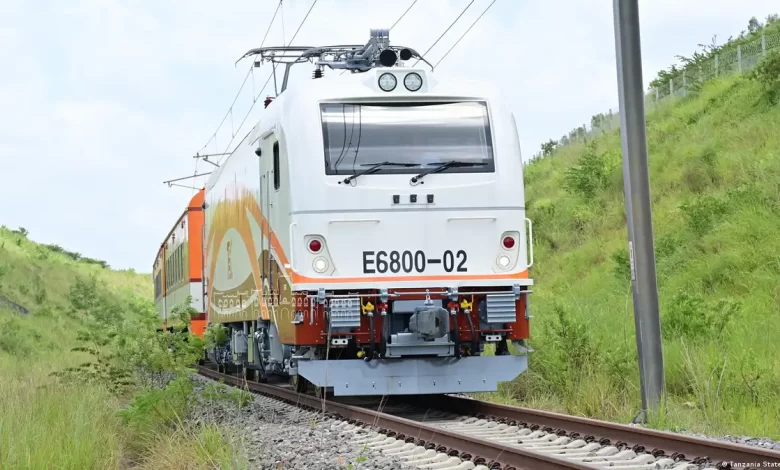
TANZANIA: AS trials for the standard gauge railway (SGR) electric train continue, Tanzania Railway Corporation has said the process of setting fares for the service is still underway.
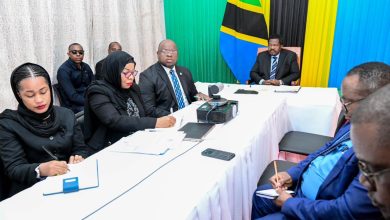
“Regarding the fare process, we at TRC have finished our part where we have submitted to the Land Transport Regulatory Authority (LATRA) everything that is needed,” TRC Director General, Masanja Kadogosa told members of Parliamentary Public Investment Committee (PIC) during their tour of the facility in Morogoro on Wednesday.
He said understood that LATRA had already engaged in meetings with stakeholders in Dar es Salaam and Dodoma.
“We believe that before commencing operations in July this year, we will have already announced the fare,” Kadogosa added.
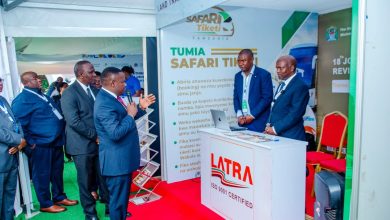
LATRA is tasked with regulating the land transport sector, specifically road, railway, and cable transport. It has the authority to review and set rates and charges.
Aside from that, it also certifies train drivers and train crew. In 2022 LATRA invited railway sector stakeholders and the public to a meeting to discuss the proposed fares with a focus on passenger fares for the SGR train from Dar es Salaam-Morogoro-Dodoma-Bahi at the request of TRC.
The proposed fares by TRC from Dar es Salaam-Morogoro were for the third class 24,794/- per adult, and 12,397/- for kids between the ages of 4-12.
For the Economy Class, the same route was 29,752/- per adult and 14,876/- for kids. For the third class from Dar es Salaam-Dodoma 59,494/- per adult and 29,747/- for kids between the ages of 4-12. Economy Class 71,392/- per adult and 35,696/- for kids.
For the Dar es Salaam-Pugu route, the third class 4,694/- per adult and 2,347/- for kids between the ages of 4-12. They proposed 5,632/- per adult and 2,816/- for kids who would prefer to use the economy class in the same route.
The TRC Board Chairman, Ally Karavina, expressed confidence in the ongoing tests and said the trains would start operation in July as per the President Samia Suluhu Hassan’s directives.
Vice Chairman of the PIC Committee, Augustine Vuma, expressed satisfaction with the project’s implementation, noting it was potential to greatly facilitate transport upon commencement of operations.
Dr Peter Mganye, the TRC Medical Doctor in charge, emphasised the provision of reliable health services onboard the SGR trains, particularly for passengers with health challenges.
“At SGR, we are well-organised; no train will leave without the presence of a healthcare provider,” Dr Mganye assured.
“For example, people travelling to Dar es Salaam for treatment should be assured of close supervision within the SGR train,” he said.
Dr Mganye added that before buying a ticket, patients travelling to Dar es Salaam for treatment should contact the TRC doctor.
“This way, the doctor will know what the patient needs when they board the train and can set up the environment so the patient travels smoothly and without incident,” he said.
TRC has conducted several trials of the SGR trains ahead of its operations in July, progressively increasing the number of coaches and locomotives. The trials, conducted after rigorous testing of electrical systems and locomotives, attest to Tanzania’s commitment to modernise its transportation infrastructure.
By January 2024, a total of 62 passenger coaches and four locomotives had been received. TRC expects to receive another five locomotives and the first set of electric multiple units (EMU) by the end of this month.
TRC will continue to conduct tests on each device that arrives in the country to ensure safety before use.
The progress of the SGR Project has reached 98.84 per cent for the Dar es Salaam – Morogoro section (300 KM), 96.35 per cent for the Morogoro – Makutupora section, 13.86 per cent for the Makutupora – Tabora section, 5.38 per cent for the Tabora – Isaka section, and 52.60 per cent for the Mwanza – Isaka section.