Samia Ardhi Clinic champions women’s land rights
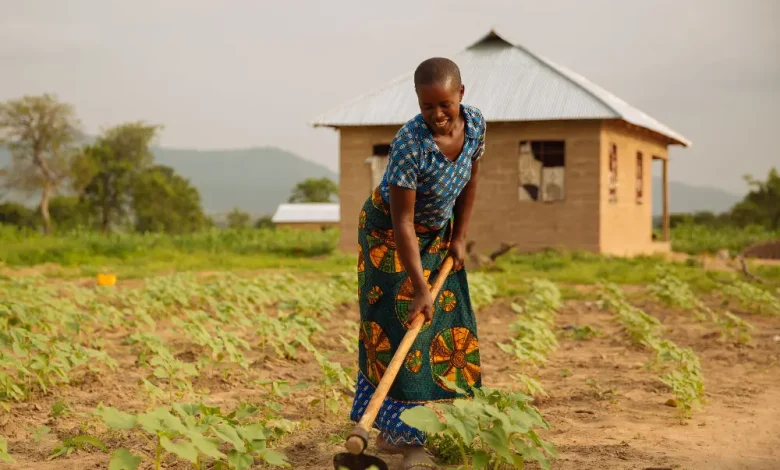
DAR ES SALAAM: ACROSS Tanzania, from the dusty footpaths of rural villages to the busy streets of growing towns, land has never been just a piece of earth but the foundation on which families build their homes, grow their crops and anchor their hopes for a better tomorrow.
For generations, however, many women who cultivate the land and sustain households have remained on the margins of ownership. This quiet imbalance is now being challenged through a bold national initiative.
As the country prepares to mark International Women’s Day on March 8, the Ministry of Lands, Housing and Human Settlements Development has stepped beyond ceremonial recognition to launch the Samia Ardhi Clinic, a nationwide programme designed to empower women by helping them secure legal rights to the land they live on and cultivate.
The initiative reflects a growing recognition that women’s empowerment cannot be separated from economic security and property rights. Across Tanzania, women contribute significantly to agriculture, family welfare and community development.
Yet their participation has often existed without the legal protection that comes with formal land ownership. Through the Samia Ardhi Clinic, the government aims to close this gap by bringing land services closer to communities and ensuring women understand and exercise their rights.
Speaking during the launch of the programme, the Minister for Lands, Housing and Human Settlements Development, Dr Leonard Akwilapo, emphasised that land ownership for women is not an act of generosity but a fundamental right that strengthens both families and the nation.
He noted that when women own land, they gain the security needed to support their families and invest in productive activities, ultimately contributing to national development.
Dr Akwilapo explained that empowering women through land ownership helps eliminate social and economic injustices that have persisted for decades. According to him, ensuring women have legal rights to land creates stronger family economies and lays a solid foundation for the country’s long-term development goals.
“When a woman owns land, we strengthen the family economy, eradicate oppression and build a strong national foundation as we move toward our development vision,” Minister Akwilapo said.
The Samia Ardhi Clinic is being implemented across the country in the days leading up to International Women’s Day, running from March 1 to March 7 this year.
The programme provides communities with education about land laws, assistance with ownership procedures and support for individuals seeking to formalise their land rights.
Deputy Permanent Secretary in the ministry, Ms Lucy Kabyemera, described the initiative as a practical step toward fulfilling the government’s commitment to gender equality and inclusive development.
According to her, the Samia Ardhi Clinic is designed to ensure women fully understand their constitutional rights and receive the support needed to claim them, noting that many women remain unaware of their rights to own land or face difficulties navigating administrative systems.
“Through this outreach programme, we are reaffirming the government’s commitment to ensuring that women realise their right to own land and participate fully in national development,” she said.
Ms Kabyemera explained that the programme also reflects a broader directive from President Samia Suluhu Hassan encouraging public servants to deliver services directly to citizens instead of waiting for them to visit government offices.
Government statistics indicate that only about 28 per cent of women in Tanzania currently own land. This figure reflects the complex challenges that women face in accessing and controlling land despite legal frameworks that guarantee equality.
The Samia Ardhi Clinic seeks to address these challenges by combining education, legal guidance and direct service delivery. Through the programme, women are learning about land registration procedures, inheritance rights and the benefits of securing title deeds.
The presence of female land officers in many of the outreach teams has also helped create an environment where women feel comfortable discussing sensitive issues related to property ownership and family dynamics.
Beyond empowering individuals, the programme also seeks to shift longstanding cultural perceptions surrounding land ownership. Minister Akwilapo has called on men and community leaders to support the initiative by encouraging women to participate and claim their rights.
He emphasised that empowering women does not weaken families or communities but rather strengthens them. When women have secure access to land, families benefit from improved stability, greater economic opportunities and stronger social cohesion.
At the same time, the minister has urged land sector officials to uphold professionalism and integrity in their work. He warned against outdated attitudes that treat land administration as a privilege rather than a public responsibility.
According to him, land officials must remember that they are custodians of a national resource entrusted to them for the benefit of citizens. Efficient service delivery, transparency and accountability are essential for ensuring that the land administration system functions effectively.
The Samia Ardhi Clinic also aligns with broader reforms aimed at improving land governance in Tanzania. The revised National Land Policy of 1995 (2023 Edition), launched in 2025, introduced stronger provisions to promote gender equality in land ownership and management.
ALSO READ: Tanzania’s Vision 2050 will be built by its women, girls
The updated policy emphasises the importance of ensuring women participate in land-related decisionmaking processes and are protected from discriminatory practices that limit their access to property.
By integrating these principles into community outreach programmes, the government is working to ensure that policy reforms translate into practical change.
As the outreach programme continues across the country, its success will not be measured solely by the number of title deeds issued. It will also be reflected in the awareness created among women who now understand their rights and feel confident to claim them.