Respectful dialogue key to Tanzania’s peace
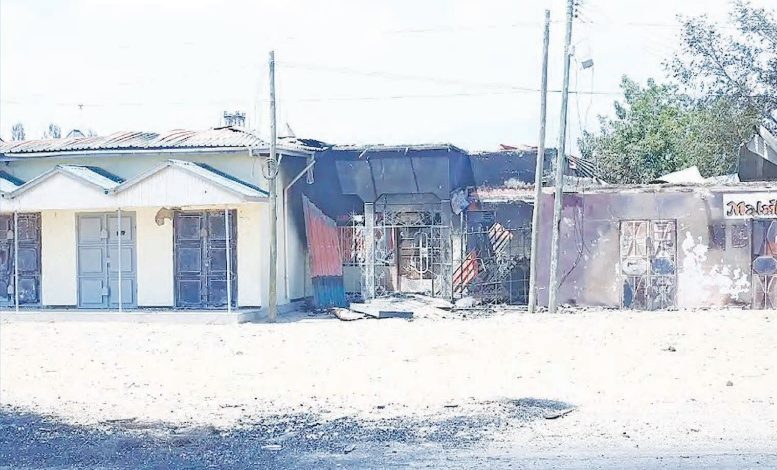
DAR ES SALAAM: YOUTH, leaders and analysts have called on young people to become guardians of national calm, warning that violence, hate and division have no place in a country built on decades of stability and coexistence.
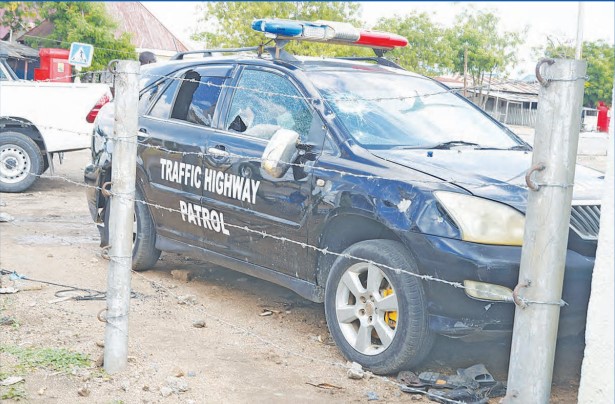
They said by choosing dialogue over hostility, reason over rumours and unity over hatred, young Tanzanians can ensure that the unrest of October 29, 2025 remains a lesson of the past never a repeated chapter in the nation’s story.
From universities to community forums, young voices are increasingly advocating for a shift away from confrontational politics driven by anger and personality clashes, toward issuebased dialogue focused on development, accountability and finding solutions to daily challenges.
Many insist that true democracy and freedom of expression are meaningless if they lead to chaos. They argue that political maturity is shown through the ability to listen, respect others and respond with ideas rather than insults.
The October 29 unrest, they say, should stand as a national lesson that disagreements must never be allowed to break the bonds of unity among Tanzanians. Chairperson of the Dar es Salaam University Student Government at the School of Journalism and Mass Communication (DARUSO–SJMC), Richard Machbiya, described civilised political dialogue as one guided by tolerance, humility and mutual understanding.
According to him, respectful engagement is the foundation of national peace, and youth must learn to debate responsibly, especially when tensions are high.
“There is a strong need for youth to reduce emotional reactions during discussions. They should understand the topic well before speaking and assess the environment and audience they are addressing,” Machbiya said.
Machbiya also believes structured and respectful political spaces such as open debates and moderated discussions can help build a culture of dialogue that promotes reconciliation, consensus and positive change. He said young people must develop the habit of criticising ideas rather than attacking individuals.
“When debates focus on insults and humiliation, they stop being debates and become fuel for conflict,” he noted.
He urged institutions to strengthen civic education and provide clear guidelines to empower youth with knowledge of their rights and responsibilities, so they can participate responsibly and protect national stability. Another major concern, he said, is how social media has increasingly become a driver of polarisation and hostility.
Machbiya warned that the digital space has created a dangerous environment where rumours, propaganda and hateful messages spread faster than facts, shaping youth attitudes and pushing them into blind loyalty.
“It has crippled many young people’s ability to think critically. Instead of engaging meaningfully, many fall into blind loyalty and fail to offer constructive ideas for the nation’s progress,” he said.
ALSO READ: Equities hold amid mixed trading
Echoing similar views, Muhimbili University of Health and Allied Sciences Students’ Organisation (MUHASSO) Vice-President, Nassir Abdullah, defined civilised dialogue as discussing politics with respect and discipline, without hate, mockery or demeaning language.
According to him, national unity depends on citizens especially youth, recognising that disagreement is normal, but hatred is destructive.
“Young people can learn to express different views respectfully by listening carefully, understanding each other and avoiding offensive language. Civic education and peaceful debates can play a big role in shaping this,” Abdullah said.
He noted that respectful discussion helps reduce conflict, strengthens political stability and builds compassion among citizens with different beliefs. In his view, peace is protected not only through security measures, but through everyday respect within families, schools, workplaces and communities.
Abdullah also pointed out that harmful stereotypes and hostility targeting youth from different ideological groups have in some cases created deep hatred and bullying. Such divisions, he warned, weaken national unity and can contribute to unrest when they grow unchecked.
He urged young people to choose tolerance and empathy, insisting that Tanzania cannot afford another October 29. Away from academic settings, community members say youth must learn to handle political differences without turning them into hostility.
In Bunju B, Dar es Salaam, Baraka Masanja, a bajaji driver, described civilised dialogue as simply listening to one another even in disagreement, urging young people to focus on key issues such as employment and service delivery rather than personal attacks that can inflame tensions.
“Politics is not war. We can support different sides but still respect each other because we are all Tanzanians,” Masanja said.
He added that unrest affects ordinary people the most workers, small business operators and families whose livelihoods depend on calm and stability. According to him, young people must reject hatred and protect peace because the future belongs to them.
From Mapinga in Coast Region, bodaboda rider Omari Hassan said political civility means disagreeing without hatred. He believes many youth become overly emotional because they lack civic education and are easily influenced by rumours and propaganda. He called for more youth seminars and community education programmes to build understanding of democratic rights and responsibilities.
ALSO READ: Kibaha district to establish computer labs in all secondary schools
“If we understand democracy, we’ll know that every citizen has the right to their opinion,” Hassan said.
He added that October 29 should remain the last time Tanzanians witness unrest caused by political tension, and that youth must be empowered with knowledge so they do not become victims of manipulation.
In Dar es Salaam’s Tazara area, Nassoro Mwimvua, another bajaji driver said civilised dialogue means focusing on issues rather than personalities, urging that whenever people attack individuals instead of ideas, they lose the meaning of democracy and destroy unity.
“When we attack people instead of ideas, we lose the meaning of democracy. Respectful debate allows youth to work together across different views for the common good,” he said.
According to him, the lesson of October 29 is that peace is fragile when respect disappears, and youth must restore a culture of listening and dialogue.
Adding his voice, Political analyst and lecturer at the University of Dodoma, Dr Paul Loisulie said many youths perceive politics as “dirty,” filled with lies, corruption and conflict, which discourages meaningful participation. He noted that social frustration, unemployment and lack of opportunity can increase anger among young people, leading some to express grievances violently or through harsh language.
“A youth without employment or agency may resort to force or harsh words,” Dr Loisulie said.
He stressed that party youth wings and social youth groups should serve as schools of citizenship, teaching responsibility, patriotism and peacebuilding not as platforms for stirring conflict. He called for renewed political mentorship and civic education to ensure youth understand that their strength must be used to build the nation, not destabilise it.