Protect local industries, PM directs regulatory bodies
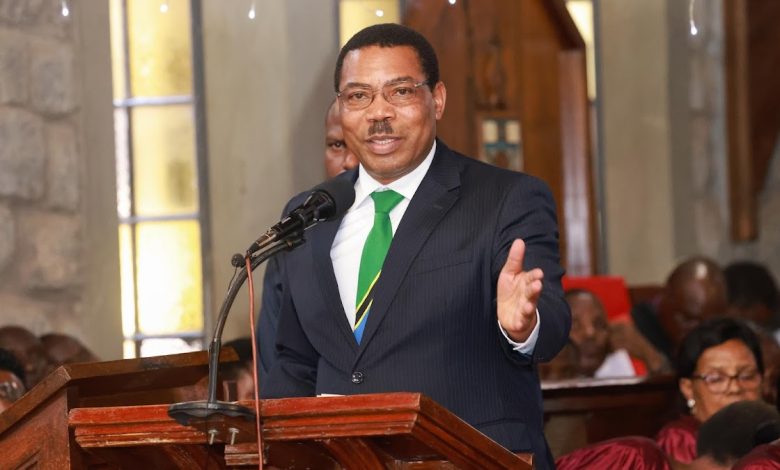
MKURANGA: PRIME Minister Dr Mwigulu Nchemba directed the Ministry of Finance to halt tax exemptions on imported goods that compete with domestic production so as to protect local manufacturers and boost private-sector employment.
Opening a roofing sheet factory by Lodhia Group in the Mkuranga District, Coast Region yesterday, Dr Nchemba directed the Ministry of Finance and the Tanzania Revenue Authority (TRA) to immediately review trade policies, warning that the state will no longer grant relief to importers when local supply is sufficient.
“We cannot safeguard our industries if Tanzania becomes a dumping place for products from other continents,” he said adding however that at the same time regional agreements within the East African Community (EAC) and the Southern African Development Community (SADC) must be respected.
The move aims to prevent the East African nation from becoming a “dumping ground” for foreign surplus, which the government says discourages investment.
“With a major factory like this, everyone has a responsibility to ensure production remains sustainable…I direct the Ministry of Finance to ensure that where local products sufficiently meet domestic demand, importers are not granted tax exemptions,” he said.
He stressed that no tax exemptions or relief should be provided for imported goods that are locally produced. According to the Prime Minister, tax incentives should only be considered where local production is insufficient to meet demand.
Dr Nchemba instructed the ministry to implement the measures promptly, including initiating any necessary legal amendments and presenting them to the National Assembly ahead of the upcoming budget session.
He warned that failure to protect local industries could turn Tanzania into a dumping ground for foreign products, ultimately discouraging investment, particularly by local investors.
The Prime Minister also directed the Ministry of Finance, in collaboration with the Tanzania Revenue Authority (TRA) and security agencies, to intensify efforts to curb smuggling.
“All institutions and security agencies must closely monitor imports and ensure proper procedures are followed. Failure to do so will undermine local investment,” he said.
ALSO READ: CEOrt signs agreements with CBE and IAA to advance education, industry, and business sectors
Dr Nchemba underscored the critical role of the private sector in national development, describing it as a key driver of project implementation and employment creation.
“More than two million graduates enter the job market each year at various levels. We must strengthen the private sector, which has the capacity to generate largescale employment for Tanzanian youth. This requires us to protect existing investments while continuing to attract new ones,” he said.
He further instructed the Ministry of Energy to accelerate infrastructure development to expand the use of natural gas in industrial production.
On her part, Minister for Industry and Trade Ms Judith Kapinga reaffirmed the government’s commitment to protecting local industries and creating a conducive environment for business growth.
She said the Lodhia sheet factory will help ensure a stable domestic supply and reduce reliance on imports.
“I commend this investment and assure you of full cooperation. I also applaud your commitment to advancing Tanzania’s industrial economy,” she said.