Preserving Gymkhana Club – A vital asset for sports tourism
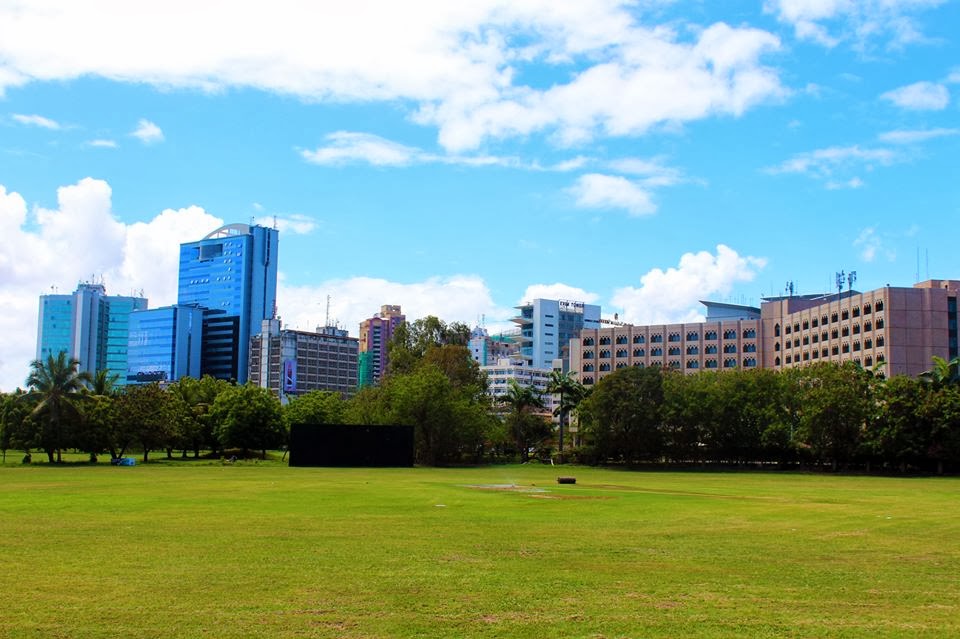
DAR ES SALAAM: THE Nyerere Convention Centre in Dar es Salaam is fortunate to be situated near the iconic Gymkhana Club, an asset that can significantly enhance the experience of its guests.
Rather than using portion of Gymkhana grounds for temporary exhibitions, the Convention Centre has an incredible opportunity to partner with the Club to offer its guests access to a variety of recreational activities.
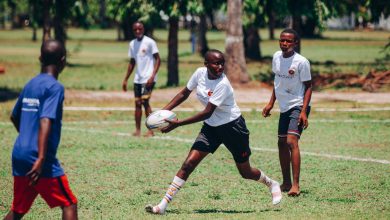
Golf, tennis, squash, swimming, gym facilities and darts are just some of the amenities that the Gymkhana Club provides and incorporating these into the Convention Centre’s offerings could not only enrich the guest experience but also promote sports tourism and preserve a crucial part of Dar es Salaam’s heritage.
Gymkhana Club, with its expansive golf course and sporting facilities, has long been a cornerstone of Dar es Salaam’s social and recreational life. It plays a significant role in promoting sports tourism, which brings visitors to participate in sporting events.
The Club is more than just a sporting venue; it serves as a vital space for community gatherings, cultural exchanges and even business events. It’s an integral part of the city’s fabric and history, contributing to both the local economy and the broader tourism sector.
Notably, in 1987, former Zambian president Kenneth Kaunda played golf at Gymkhana Club, further cementing its status as a prestigious venue that attracts influential guests.
In contrast, the Nyerere Convention Centre, located near the Club, was designed to serve as a modern venue for international conferences and large-scale events.
However, as the Centre grows in popularity, it has increasingly relied on Gymkhana’s nearby grounds for temporary event purposes.
Tents are often set up on the golf course to accommodate large crowds, which, while serving short-term needs, come at the expense of Gymkhana’s primary purpose – as a prestigious sporting venue and recreational hub.
ALSO READ: Call for safe, respectful venues ahead of CHAN final
By utilising the golf course for non-sporting purposes, there is a risk of diminishing the Club’s long-standing value to the community.
The golf course, which serves as a venue for major international tournaments and local events, is integral not only to the Club’s activities but also to the city’s reputation as a sports tourism destination.
Rather than treating Gymkhana’s grounds as overflow space, the Nyerere Convention Centre should explore the full potential of its proximity to the Club.
Instead of using the grounds for temporary exhibitions, the Convention Centre could offer a more enriching experience to its guests by providing access to Gymkhana’s top-tier sports facilities.
Its significance extends far beyond its recreational offerings – it is a space for Dar es Salaam’s residents to gather, network and celebrate shared experiences.
By protecting and preserving the Gymkhana Club’s original purpose, the city ensures that future generations will continue to have access to this important social and sporting institution.
The gym, squash courts, tennis facilities and the iconic golf course are not simply amenities—they are part of the city’s legacy.
The Gymkhana Club has the potential to become an even more central part of Dar es Salaam’s tourism strategy by linking it with the activities of the Nyerere Convention Centre.
By preserving its role as a sporting hub and working together to leverage this valuable asset, both institutions can benefit while ensuring that Dar es Salaam’s identity as a destination for sports tourism is maintained.
Ultimately, the solution lies in collaboration. Rather than overburdening Gymkhana’s grounds with temporary structures and exhibition spaces, it would be far more beneficial for the Convention Centre to tap into the recreational and social offerings of the Club.
By doing so, it not only enhances the appeal of Dar es Salaam to international visitors but also helps safeguard one of the city’s most cherished cultural landmarks.
Preserving Gymkhana Club is not just about protecting a sports venue—it’s about maintaining a vital part of Dar es Salaam’s heritage, identity and future.