

PREMATURE BABIES A fight for survival
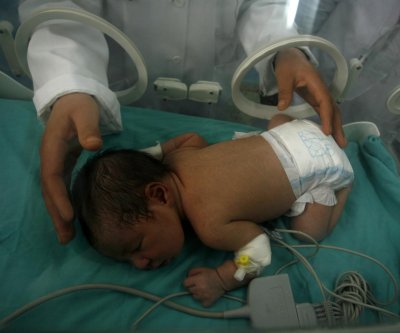
DAR ES SALAAM: PREMATURE birth is a significant public health challenge, not only in Tanzania but also across the globe. It poses major risks to both newborns and mothers, contributing to high rates of infant mortality and long-term health complications.
According to health experts, premature birth or preterm- birth is when a baby is born before completing 37 weeks of pregnancy.
The experts say since the babies arrive early and are not fully developed for life outside the womb, they require special care due to underdeveloped organs like lungs, brain and digestive system.
Based on gestational age, (pregnancy age) premature babies are grouped into four categories, extreme preterm (referring to those born before 28 weeks), very preterm (babies born between 28 and 30 weeks), moderate preterm (births occurring between 30 and 32 weeks), and late preterm (babies born between 33 and 36 weeks).
Statistics from the Ministry of Health indicate that in Tanzania about one in every ten children equivalent to more than 250,000 children are born prematurely each year, a situation that calls for collective efforts to improve maternal and child health services.
The World Health Organization (WHO) also estimates that globally, 15 million babies are born prematurely each year, with over one million dying due to complications associated with preterm birth.
A Neonatologist at Muhimbili National Hospital (MNH) Dr Neema Nalitolela said that studies conducted have shown the significant burden of premature babies in the country.
“These studies show that approximately 17 per cent of babies born in the country each year are premature, and even in hospitals, more than half of the babies admitted to neonatal wards are preterm babies, sometimes even outnumbering fullterm infants,” she noted.
“These findings highlight the significant impact of premature births on the national health system, particularly in neonatal care services,” Dr Nalitolela said.
Babies born prematurely face a range of health challenges because they are delivered before completing the full term of development in the mother’s womb.
During pregnancy, the womb provides a crucial environment for the baby to grow, mature, and develop vital organs.
When born early, many of these organs, such as the lungs, brain, and digestive system, are not fully developed, which increases the risk of complications and long-term health issues.
“The earlier a baby is born, the higher the risk of complications. Babies born before 28 weeks often weigh less than one kilogramme and require intensive care for a long time,” she said.
She said that premature infants may experience breathing difficulties due to immature lungs and the heart may also have developmental abnormalities, as some processes that should be completed during the full nine months of pregnancy remain unfinished, leading to conditions such as heart defects that affect proper heart function.
ALSO READ: Premature babies’ unit establishment gets boost
Dr Nalitolela also highlighted that the brain of a premature baby is particularly vulnerable. Since the blood vessels in the brain are not fully developed, there is a heightened risk of bleeding, a serious complication that often occurs shortly after birth.
This can lead to long-term neurological issues and requires immediate medical attention.
Furthermore, the digestive system may not be fully mature. When feeding begins, premature babies may develop abdominal bloating, infections and difficulties in digesting food.
She, however, noted that the most serious challenge is bacterial infection, as their immune systems are still underdeveloped, making them more vulnerable to bacterial infections than adults.
“These infections can lead to serious complications, including jaundice, vomiting and worsening breathing problems,” she said.
She said some of the babies recover, but others continue to live with long-term challenges. According to Dr Nalitolela, between 20 and 30 per cent of preterm babies may experience long-term health challenges, including organ disabilities, learning difficulties, or neurological problems and Anemia.
Most preterm babies stay in hospital for one to three months, depending on their condition, before continuing with followup care at clinics.
According to Dr Nalitolela, there are various causes of premature birth of which some are clearly identified, while in other cases the exact cause remains unknown.
She said the causes may be related to the mother during pregnancy or, in some instances, to conditions affecting the baby in the womb.
Premature birth may be caused by chronic infections such as urinary tract infections (UTIs) affecting the reproductive system, which can lead to early rupture of the membranes due to bacterial infection.
“High blood pressure during pregnancy can also trigger early labor, and in some medical situations, doctors may decide to deliver the baby early to prevent further health risks to the mother,” she said.
Other contributing factors include alcohol consumption and cigarette smoking during pregnancy.
In addition, stress and psychological pressure can negatively affect pregnancy outcomes. Poor nutrition, which may result in anemia, is also a significant risk factor for premature birth.
Dr Nalitolela further said while services for newborns have improved, the fight against neonatal deaths is far from over as latest statistics show that out of every 1,000 live births, about 24 babies still die.
She said year-to-year changes are minimal, with rates barely dropping from 24 to 22 or 23 per 1,000, adding that more needs to be done to strengthen healthcare services and reduce the preventable deaths.
“This shows that there is enormous potential to save more lives if efforts, investment and collaboration continue to grow,” she said.
She further noted that following increased awareness in the community about the importance of seeking hospital care on time, the number of premature babies brought to the hospital promptly has increased.
She said the government, together with health sector partners and hospital management has played a crucial role in raising awareness about newborn health and the challenges they face.
“Today, newborns are recognised as a special group requiring close care, and their health issues are better understood than ever before,” said Dr Nalitolea.
“This has contributed to saving the lives of many more children compared to previous years. Currently, MNH has equipment and services that help premature babies survive, including specialised machines and the kangaroo mother care service, which involves a parent holding the baby against their chest to help them grow and strengthen,” she said.
She said that despite significant ongoing efforts, the challenges faced by preterm babies remain substantial and require increased investment in equipment, professionals, community education and maternal and child health services to continue reducing preventable deaths and complications.
Neonatal Unit Specialist at Mbeya Zonal Referral Hospital, Dr Rehema Marando said it is importance for pregnant women to attend clinic visits even before conception.
This allows them to receive essential guidance on safe medication use and proper pregnancy planning, helping to ensure a healthier pregnancy and better outcomes for both mother and baby.
She said key risk factors that require close monitoring from pregnant women and those expecting include high blood pressure, diabetes, infections such as UTIs and a history of preterm birth.
Dr Marando said that when a pregnancy is identified as highrisk, the mother is advised to deliver in a well-equipped hospital with neonatal services that can support premature babies until they can breathe independently and maintain normal body temperature.
“With timely and correct treatment, a premature baby can grow normally and live without complications,” she said.
Head of the Neonatal Intensive Care Unit (NICU) at Manyara Regional Hospital Dr Salha Nassor, said that from June 2024 to July 2025, the hospital attended 813 newborns, of whom 242 were premature and required intensive care and specialised equipment.
Dr Nassor added that preventing premature births requires consistent clinic attendance, regular health checks, nutritious diets during pregnancy, and avoiding heavy physical work.
She said early detection of risky conditions allows health workers to intervene before complications become life threatening.
Founder and Chief Executive Officer of Doris Mollel Foundation, Ms Doris Mollel, who is a long-time advocate for premature babies in the country, said challenges surrounding preterm births had for years been overlooked, despite being one of the major causes of infant mortality worldwide.
She said that even among people who understood the complications faced by parents raising premature babies, many were reluctant to speak openly about them.
According to her, if a premature baby does not receive the necessary specialised care at the critical moment, the effects may persist into adulthood.
Bottom of Form “When we first started raising awareness, preterm births accounted for about 40 percent of global child deaths. By stepping up efforts to manage preterm births, we can save more lives. The bigger goal is to prevent premature births altogether by educating expectant mothers on proper nutrition and safe pregnancy practices,” said Ms Mollel.
Taking care of a premature baby is a very challenging and requires specialised care to protect the infant from additional health-related risks associated with their condition,” said Maria Jonathan a resident of Dar es Salaam.
Maria Jonathan from Dar es Salaam shared her experience of giving birth to a one-kilogramme baby in 2015.
With guidance from doctors and careful practice of kangaroo mother care, her son recovered fully and is now healthy.
Ms Jonathan said that she gave birth to a one-kilogramme baby in 2015 through surgery after an ultrasound scan revealed that the amniotic fluid in the womb had reduced significantly, a condition which posed a serious risk to both mother and a child.
“The doctor advised that I undergo an emergency operation to save our lives,” she said.
“When the baby was born, he weighed about one kilogramme and a few grams. The situation was frightening, although he was healthy and active, just very small. He was therefore placed in an incubator for two days,” she said.
Ms Jonathan explained that, due to the high number of babies in the hospital and the fact that her child was making good progress, they were allowed to return home after just two days.
This decision was made so that critically ill infants could be prioritised for the limited beds available.
“At the time, medical services were still available, but equipment shortages posed a significant challenge. With the guidance of doctors and through careful practice of kangaroo mother care, my son made a full recovery and is now healthy,” she shared.
While at home, she said they prepared a special room for the baby, which had nothing in it except their bed and the babay’s bed. During that entire period, no one else was allowed to see our child apart from us, his parents.
“After two months of consistent kangaroo care and regular clinic visits, our baby showed remarkable improvement, was fully discharged, and began to thrive like any other child. To this day, he remains healthy, with no complications, and is doing well as he continues with his schooling,” she said.
Similarly, James Mwandosya, a resident of Iringa, recounted that in 2005 his wife gave birth to a premature baby through surgery after doctors established that she would not be able to carry the pregnancy to full term.
He said the baby was delivered at seven months and, fortunately, was healthy and had no medical complications, except that he was born without fingerprints a condition that persists to date.
During the commemoration of World Prematurity Day in November 17 last year, the government through the Ministry of Health said it continues to strengthen healthcare infrastructure to improve the quality of services and save the lives of newborns, especially those born prematurely.
The efforts include the construction of special wards for sick and preterm babies, the procurement and distribution of essential medical equipment and various training programmes for healthcare providers.
The ministry urged communities to take action to help reduce the causes of premature births, including ensuring that every pregnant woman attends antenatal clinics as soon as pregnancy is suspected, continues regular clinic visits before and after delivery, and gives birth at a health facility.
According to Tanzania Demographic and Health Survey and Malaria Indicator Survey (2022 TDHS-MIS), the neonatal mortality rates have gone down by one per cent.
The global neonatal mortality reduction target for 2030, part of sustainable Development Goal (SDGs), requires all countries to aim to reduce neonatal mortality to at least as low as 12 deaths per 1,000 live births, with the ultimate goal of ending preventable newborn deaths.


