PELUM Tanzania boosts indigenous seed banks
MOROGORO: THE Participatory Ecological Land Use Management (PELUM) Tanzania network has disbursed 1.6bn/- over the past four years to support small-scale farmer groups, community-based organisations, emerging NGOs, women entrepreneurs, youth and the elderly in advancing ecological agriculture.
The funds have also been directed toward environmental conservation, farmer education on climate change, and strengthening both farmer groups and individual farmers to increase their income through the production of indigenous crops.
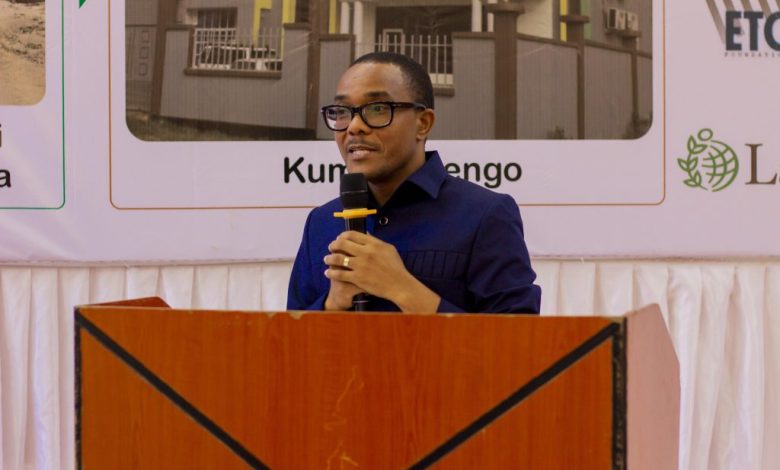
PELUM Tanzania Coordinator Donati Senzia said recently in Dodoma during celebrations marking the organisation’s 30th anniversary that in the past 30 years, PELUM Tanzania has recorded significant achievements, including increasing the number of farmers empowered in various aspects of ecological agriculture from 500 to more than one million
He added that farmers have also benefited from the use of indigenous seeds, entrepreneurship training, and the processing of products derived from indigenous crops initiatives that have helped boost their income.
According to Senzia, in an effort to preserve indigenous seed biodiversity, PELUM Tanzania has facilitated the establishment of indigenous seed banks across 16 regions in the country.
“Today, if you visit these seed banks, you will find a variety of indigenous crop seeds from different regions, enabling farmers to exchange seeds,” he said.
ALSO READ: TZ becomes Africa’s seed bank hub
Meanwhile, a Project Officer from Inades Formation Tanzania, an international NGO network, Daisy Mola said the organisation implements various projects and plays a key role in environmental conservation, ecological agriculture, and animal welfare.
Speaking on ecological agriculture, Mola said they also support the conservation of indigenous seeds by building farmers’ capacity in producing and preserving seed varieties suitable for the Dodoma ecological zone.
“We have several ongoing projects besides ecological agriculture. Currently, we are implementing a climate change adaptation project in Dodoma Region covering three district councils such as Kondoa, Chemba, and Bahi,” she said.
Mola added that they are also running an agroforestry project in Kondoa District, where they work to strengthen the capacity of small community organisations.
Another project focuses on supporting small organisations in the Mara Region that are part of the farmers’ network.