Peace, stability, Tanzania’s most valuable strength
DAR ES SALAAM: PEACE has always been Tanzania’s quiet power. It is rarely dramatic, often unnoticed, yet deeply embedded in the country’s everyday life.
It is what allows a farmer to plant with confidence, a trader to open a shop at dawn, a child to walk safely to school and a family to plan for tomorrow without fear.
For decades, this stability has been the foundation upon which Tanzania has built its unity, economic progress and international reputation.
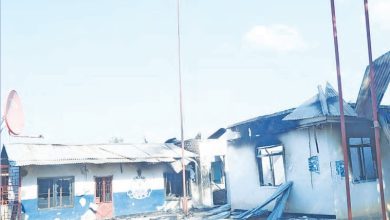
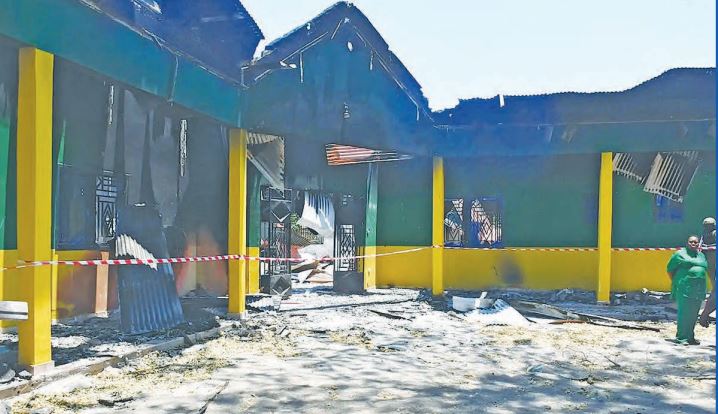
That foundation was briefly tested on October 29, 2025, during the election period, when unrest disrupted normal life in parts of the country. Roads emptied, businesses closed and uncertainty replaced routine.
Though calm was restored, the experience left behind more memories than it left a national resolve.
Across political, academic and community lines, a shared conviction has emerged, never again should peace be placed at risk. What occurred was not just a disruption of order, but a reminder of how much Tanzania stands to lose when stability is interrupted, even momentarily.
For many Tanzanians, the events of that day underscored a truth long understood but rarely articulated peace is not automatic. It is sustained through restraint, responsibility and collective discipline.
Life in Tanzania is deeply interconnected. When movement stops, incomes disappear. When fear replaces calm, productivity declines. When uncertainty enters communities, it is the most vulnerable who feel it first.
The brief unrest exposed how quickly these chains can be broken and how urgently they must be protected. Rather than dividing the nation, the incident became a point of reflection.
Citizens, analysts and leaders alike began speaking with one voice about the importance of safeguarding harmony.
The prevailing sentiment was not blame, but determination that the country must move forward wiser and more united.
Political Analyst Mr Yonah Mapury describes peace as Tanzania’s most valuable strategic asset, one that supports every pillar of national development.
“Peace is not simply a moral ideal. It is an economic, social and political asset that determines how a country functions,” he said.
According to Mr Mapury, even short-lived instability can have longlasting consequences, particularly for ordinary citizens whose livelihoods depend on daily activity.
“When peace is disrupted, production slows, services stop and households immediately feel the pressure. Political disagreements may be temporary, but hunger and hardship leave deeper scars,” he said.
He noted that Tanzania’s historical stability has given it a unique position in the region, allowing steady growth, social cohesion and trust from partners and investors.
“This reputation was not built overnight, It was built through years of unity, tolerance and respect for national values, ” he added.
Reflecting on October 29, he said the incident should be remembered not as a defining failure, but as a turning point.
“This was a reminder of what is at stake and the lesson is clear that peace must always come first,” he noted.
Mr Mapury expressed strong confidence that the country has absorbed that lesson.
“Tanzanians understand that instability carries a cost far greater than any political gain. There is a collective awareness now. That’s why I believe such an incident will never happen again,” Mr Mapury explained.
ALSO READ: The burden of peace and order: How Police carried the weight of nation’s stability
Political analyst Mr Merdad Wilfred reinforced the view that peace is sustained through political maturity and national responsibility.
“Democracy naturally involves differences of opinion. But how those differences are managed determines whether a nation progresses or regresses,” he said.
Mr Wilfred emphasised that political engagement must never undermine social harmony or economic activity.
“No political ambition should come at the expense of another citizen’s ability to earn a living. Peace allows everyone, regardless of belief or affiliation, to pursue their goals,” Mr Wilfred noted.
He pointed out that when calm prevails, institutions function smoothly, services continue uninterrupted and citizens retain confidence in the future.
“The strength of Tanzania lies in its culture of restraint and dialogue. These values have guided the nation through sensitive moments before, and they will continue to do so, he said. According to him, the swift return to normalcy after the unrest demonstrated national resilience.
“What matters most is that the country corrected itself. That correction sends a powerful message, peace is non-negotiable,” he added.
Beyond expert analysis, the meaning of peace is most vividly understood through everyday experiences. For millions of Tanzanians, stability is not an abstract concept, it is the foundation of survival.
In Dar es Salaam, Mr James Mapunda who runs a small grocery shop in Temeke said the disruption reminded him how dependent small businesses are on calm conditions.
“My customers come daily. When movement slowed, sales stopped immediately,” he said.
He said the return of peace restored not only business, but confidence.
“When normal life resumed, I realised how much peace supports even smallest traders, It is what keeps food on the table” he said.
For Ms Aisha Mazoanya, a tailor in Morogoro, peace provides the certainty needed to invest in her craft.
“My work depends on trust and planning. “Clients bring fabric knowing I will deliver on time, she said.
She said any disruption affects not only income, but long-term progress.
“Peace allows me to think beyond today, I want my children to grow up in a country where stability is normal,” she added.
Similarly, Mr Baraka Mgoa a bus conductor on the Bunju–Ubungo route said calm conditions are essential for transport workers.
“Our work connects people to markets, schools and hospitals, when peace exists, the whole country moves, ” he said.
In Arusha, Ms Mariam Mtei a hotel receptionist said peace directly affects employment opportunities, especially in service sectors.
“Visitors choose destinations where they feel safe. Peace keeps people employed,” he said.
She said the events of 2025 strengthened her belief in collective responsibility.
“Everyone benefits from stability. That means everyone must protect it,” she added.
In Dodoma, Mr Amdan Mchuka, a casual construction worker, echoed similar sentiments.
“When work stops, we feel it immediately. Peace is what allows development projects to continue, ” he said.
He said the incident reminded many citizens that unity is not optional. “We cannot afford division. Never again,” he stressed.
A rickshaw operator, Mr Godfrey Chidawali, told the Daily News that business was severely affected during the October 29 skirmishes in the city.
He said most residents remained indoors, resulting in minimal movement on the streets and a sharp decline in daily income.
“Our business depends heavily on people’s movement. When people stay indoors, there is no business. Most of us experienced serious difficulties in October last year, and we pray such incidents never happen again in our country,” he said.
Mr Chidawali added that access to fuel was another major challenge, noting that many fuel stations were closed, leading to shortages and further disruption of business.
“Most motorcycles and rickshaws ran out of fuel. Petrol stations were closed out of fear of being vandalised, as happened in Dar es Salaam and other areas. This caused a temporary fuel shortage that affected us economically,” he explained.
He urged young people and all Tanzanians to follow proper procedures when expressing grievances to authorities, stressing that any action that disrupts peace is unacceptable in a civilised society.
“I urge my fellow Tanzanians to protect peace and maintain stability in our country. Peace is Tanzania’s quiet strength that enables us to prosper,” he said.