NBC internship pipeline reshapes graduate employment
DAR ES SALAAM: Discussions about graduate employment often focus on shortages and policy gaps, but the National Bank of Commerce internship programme illustrates how employers can respond through structured workforce planning.
Rather than treating internships as short term attachments, NBC has positioned work experience as part of its broader human capital strategy, shaped by the realities of Tanzania’s labour market.
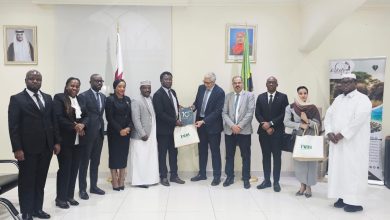
Over the weekend, NBC received recognition from the Prime Minister’s Office – Labour, Employment and Industrial Relations for its implementation of the national work experience programme.
The award was presented in Dar es Salaam during the Employers’ Conference on the implementation of the internship programme, a forum that brought together government officials and private sector employers to review outcomes and challenges within graduate employment systems.
Deputy Minister Rahma Kisuo formally handed over the award in the presence of senior ministry officials and representatives from participating institutions.
NBC was represented at the conference by a delegation led by Acting Head of Human Resources, Grace Mgondah. In her remarks, she framed the internship programme as a deliberate investment in skills development rather than a corporate formality.
Over the past five years, the bank has transitioned approximately 136 graduates into permanent employment after they initially joined through internships. From a business perspective, this approach allows the organisation to assess capability, adaptability, and work ethic before making long-term hiring decisions.
Each year, between 800,000 and 1,200,000 graduates enter Tanzania’s job market. While academic qualifications are growing, many employers continue to report gaps in practical skills and workplace readiness. NBC’s internship structure is designed to address this imbalance by exposing graduates to real operational demands, professional standards, and performance expectations early in their careers. This reduces the learning curve once graduates move into permanent roles.
The impact of the programme extends beyond NBC itself. Graduates who complete their internships but are not absorbed by the bank often secure roles in other organisations, carrying with them practical experience and professional discipline gained during their placement. This contributes to wider labour market efficiency by lowering training costs for subsequent employers and improving overall productivity.
NBC’s collaboration with government through the PMO-LEIR employment framework reflects a shared interest in aligning education outputs with market demand. Encouraging graduates to register within the national employment system supports data driven matching between employers and job seekers, strengthening visibility and access to opportunities.
From a strategic standpoint, the internship programme functions as a talent pipeline rather than a temporary intervention. It supports succession planning, reduces recruitment risk, and strengthens organisational culture. As competition for skilled labour increases, NBC’s experience demonstrates that structured work experience programmes can deliver sustainable business value while supporting national employment objectives.