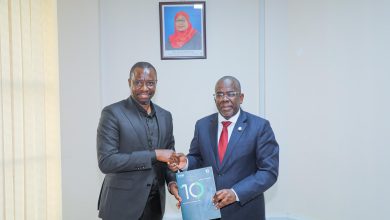
National library, ministry to safeguard mining data

DODOMA: THE National Central Library of Tanzania has stressed on the importance of officially registering all publications containing information on the country’s mineral resources, describing them as part of the nation’s intellectual heritage that must be preserved for both present and future generations.
Senior Officer at the National Library, Ms Laura Ndomba said during a recent working visit by senior library officials from Dar es Salaam and Dodoma to the Ministry of Minerals offices in Dodoma that there is need for documenting and preserving documents that contain critical knowledge related to the mining sector.
Ms Ndomba expressed her admiration for the volume and quality of professional publications produced by the Ministry and its affiliated institutions.
She said documents contain critical knowledge related to Tanzania’s mining sector, including research findings, policy documents, technical guidelines, statistical data and reports on strategic projects.
ALSO READ: New digital library system to serve 4m Tanzanians
“We consider this information a national asset. It is essential that these publications are registered with the National Library to ensure their legal protection and availability for current and future generations,” said Ms Ndomba.
According to the National Library Authority, registering government publications not only ensures their long-term preservation but also protects the country’s intellectual property from unauthorised use.
Moreover, depositing copies with the National Library contributes to the development of a robust national knowledge base in accordance with library legislation.
Moreover, the Head of the Government Communication Unit at the Ministry of Minerals, Ms Asteria Muhozya acknowledged the challenges the Ministry has faced in consistently registering technical and research-based documents with the National Library “Registering our publications with the National Library will ensure that critical information is both legally protected and accessible to the public via Ministry platforms and the library’s repositories,” Ms Muhozya said.