MPs push for productive sector investment
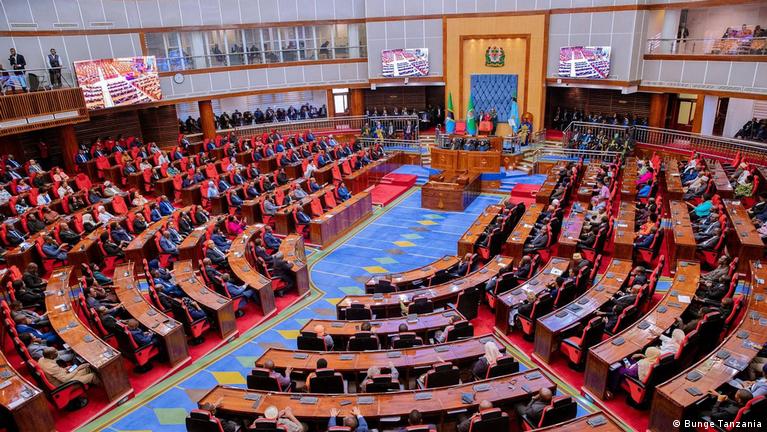
DODOMA: MEMBERS of Parliament have advised the government to significantly increase investment in key productive sectors, particularly agriculture, livestock and fisheries.
They said, investment in these sectors will significantly help the country to meet the targets outlined in the Long Term Development Master Plan (2026/27–2050/51).
The MPs made the call while contributing to parliamentary debates on the Long Term Development Master Plan 2026/27–2050/51, the proposed Fourth Five-Year National Development Plan (2026/27–2030/31), and the proposed National Development Plan for the 2026/27 financial year.
Busega Member of Parliament Saimon Songe (CCM) said achieving a per capita income of 1,638 US dollars by 2030 and 7,000 US dollars by 2050 will require recognising farmers as investors, particularly through expanded and sustained irrigation agriculture.
“If we invest in irrigation farming, we can increase production up to three times a year,” he said.
Echoing the sentiment, Mbeya Urban MP Patrick Mwalunenge (CCM) said the country cannot meet its development targets without prioritising irrigation-based agricultural production.
He stressed the need to boost agriculture’s contribution to Gross Domestic Product (GDP) to at least 10 per cent.
To strengthen agriculture, which employs the majority of Tanzanians, the MPs called for a clear strategy to raise output of strategic cash crops, including cotton, cashew nuts, coffee, tea, cocoa and sesame.
However, MPs noted persistent challenges in promoting these crops, citing insufficient funding for commodity boards. Cotton production, they said, remains low largely due to budget constraints facing the cotton board.
ALSO READ: Tanzania sees domestic investment as a key to health research strategies
They urged the government to allocate adequate resources to commodity boards to effectively support production.
Mpanda Rural MP Moshi Kakoso (CCM) raised concerns over the management of irrigation projects, noting that many projects initiated last year have since collapsed.
“To achieve the targeted income levels, the government must strengthen oversight of all productive sectors; agriculture, fisheries and livestock, which currently contribute only modestly to the national economy,” he said.
He added that farmers must be supported with access to capital, modern farming equipment, and reliable markets to enable them to make a meaningful contribution to GDP.
Katavi MP Thomas Maganga (CCM) warned that achieving the 7,000 US dollars per capita income target by 2050, will require a change in mindset among public officials.
“Those who fail to perform must be replaced,” he said.
On livestock development, Mr Maganga stressed the need to support pastoralists to adopt modern livestock farming practices, allocate designated grazing areas, and construct water dams closer to communities to enhance productivity.
Ilemela MP Musa Mbuga (CCM) noted that the growth of irrigation agriculture has been slow and called for renewed investment to increase its contribution to GDP.
He also urged the government to accelerate food crop production to strengthen food security and boost economic growth.