KNCU eyes threefold rise in coffee collection

KILIMANJARO: THE Kilimanjaro Native Cooperative Union (KNCU 1984) is targeting a threefold rise in coffee collection during the 2025/26 season.
The union aims to collect 150,000 kilogrammes, up sharply from the 36,305 kilos gathered during the 2024/25 crop season.
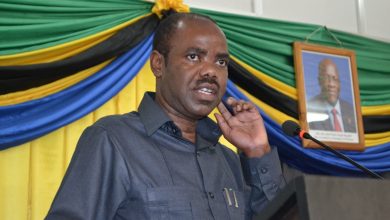
KNCU Chairman Mr Julius Mollel said during the 40th Annual General Meeting (AGM) held in Moshi over the weekend that the ambitious projection depends on favourable weather patterns.
“The aim is not only to scale up output but also to support farmers in replacing old, unproductive coffee trees,” Mr Mollel said.
The ongoing strategies include interventions aimed at revitalising coffee production through its 14-member Agricultural Marketing Cooperative Societies (AMCOS), such as the distribution of 31,000 coffee seedlings in the next season and the establishment of three nurseries capable of producing up to 300,000 seedlings annually.
ALSO READ: Tanzania, EU cherish cooperation in mega investment projects
The union is also strengthening its market access by shifting to direct exports, targeting lucrative foreign markets in China, Finland, Belgium and Japan, with the goal of earning higher prices and improving the union’s revenue stream.
Opening the meeting on behalf of the Kilimanjaro Regional Commissioner, Moshi District Commissioner Mr Godfrey Mnzava commended the union for its bold production targets and its farmer-friendly policy reforms.
These reforms, he said, include raising the price paid to farmers from 6,000/- per kilo in the 2023/24 season to 9,640/- in 2024/25, marking a substantial boost in farmer earnings.
He also lauded KNCU’s decision to abolish the levy on raw coffee beginning in the 2025/26 seasona move expected to relieve farmers of unnecessary costs and stimulate greater participation.
KNCU CEO Dr Honest Kessy said the union is working to review legal agreements related to unionowned farms, with a view to optimising their use and generating additional income.
“These steps are critical to improving the livelihoods of our farmers while contributing meaningfully to the national economy,” Dr Kessy said.
He said the union’s commitment to ongoing training for farmers, particularly in producing high-quality coffee, to enable them to command better prices in both local and international markets.