Invest in Mikindani: Old town with new horizons for tourism, trade

ZANZIBAR: IN the previous article, we explored the rich history of Mikindani Old Town, as part of the ongoing series on tourist attractions in Southern Tanzania.
Today, we delve deeper into that history and highlight some of the key tourist attractions within Mikindani Old Town, with insights from Lucas Navilongo, the Training Manager at the Old Boma Hotel.
Navilongo explains that the arrival of foreign settlers, particularly Indians, greatly influenced the town’s development, most notably through the growth of trade.
“When sisal farming began in Mtwara, the area was nothing but wilderness. It was transformed into sisal plantations and a railway line was constructed connecting Mtwara to Mikindani and Nachingwea,” he said.
He said that this marked the beginning of commercial activity. Indians were initially brought in to manage the sisal plantations but later transitioned into retail businesses, setting up shops and building homes in Mikindani.
“One notable Indian, Karimjee, brought over Indian supervisors for his sisal farms. As they settled in the area, many realised they could thrive more by opening shops than by working the farms,” Navilongo added.
This shift led to a flourishing trade environment. When Mwalimu Julius Nyerere visited Mikindani in 1954, many of his necessities were purchased from these Indian-owned shops.
To this day, there is a neighbourhood in Mikindani known as ‘Uhindi’—a testament to that heritage.
Key tourist attractions in Mikindani
The Old Boma The Old Boma is one of Mikindani’s main historical and architectural landmarks. It’s the first building visitors see when arriving at the Bomani bus stop—perched on a hill and painted white, surrounded by other colonial-era structures, creating a striking historic landscape.
“This building was established during the German colonial period as a strategic administrative centre due to its vantage point overlooking the Mikindani harbour.
At the time, Mikindani was the main settlement; Mtwara had not yet developed and the only functional port was here,” Navilongo explained. After World War I, the British took over and used the Boma as an administrative office, with the last British district commissioner residing there until Tanzania gained independence.
Slave Market (the tale of the coffee cup and dates)
Another significant site is the old slave market, now home to the National Museum offices.
The site originally housed a broker’s residence, where slaves were gathered before being shipped off. Navilongo shares an oral tradition passed down through generations, explaining why in southern Tanzanian cultures, uncles (maternal brothers) are often viewed with suspicion.
“Our ancestors tell us that during the slave trade, uncles would visit their sisters under the pretense of offering their nephews jobs. In reality, they were selling them to Arab traders,” he said.
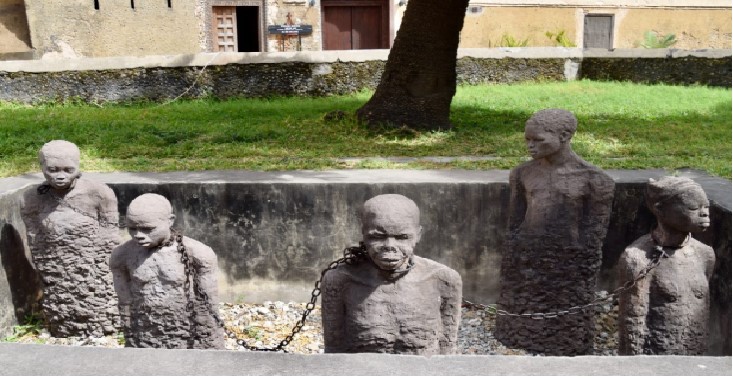
“In return, the uncle would be paid with items like a cup of coffee, dates, or tea—rare and valuable commodities at the time. The slave would be taken to the broker’s house, held with others and then auctioned off in the evenings before being stored in a warehouse awaiting transport to Zanzibar or Oman.” Brighton Kawiche, the Principal Conservator of Mikindani Old Town, supports this narrative, stating, “This very building where the Museum’s offices are located was once the southern region’s slave market.
Its proximity to the harbour made it ideal for loading slaves onto ships bound for other regions.”
Historic Mosques
Mikindani also boasts historic mosques, including one built between 1911 and 1914, still used today by the Indian Muslim community.
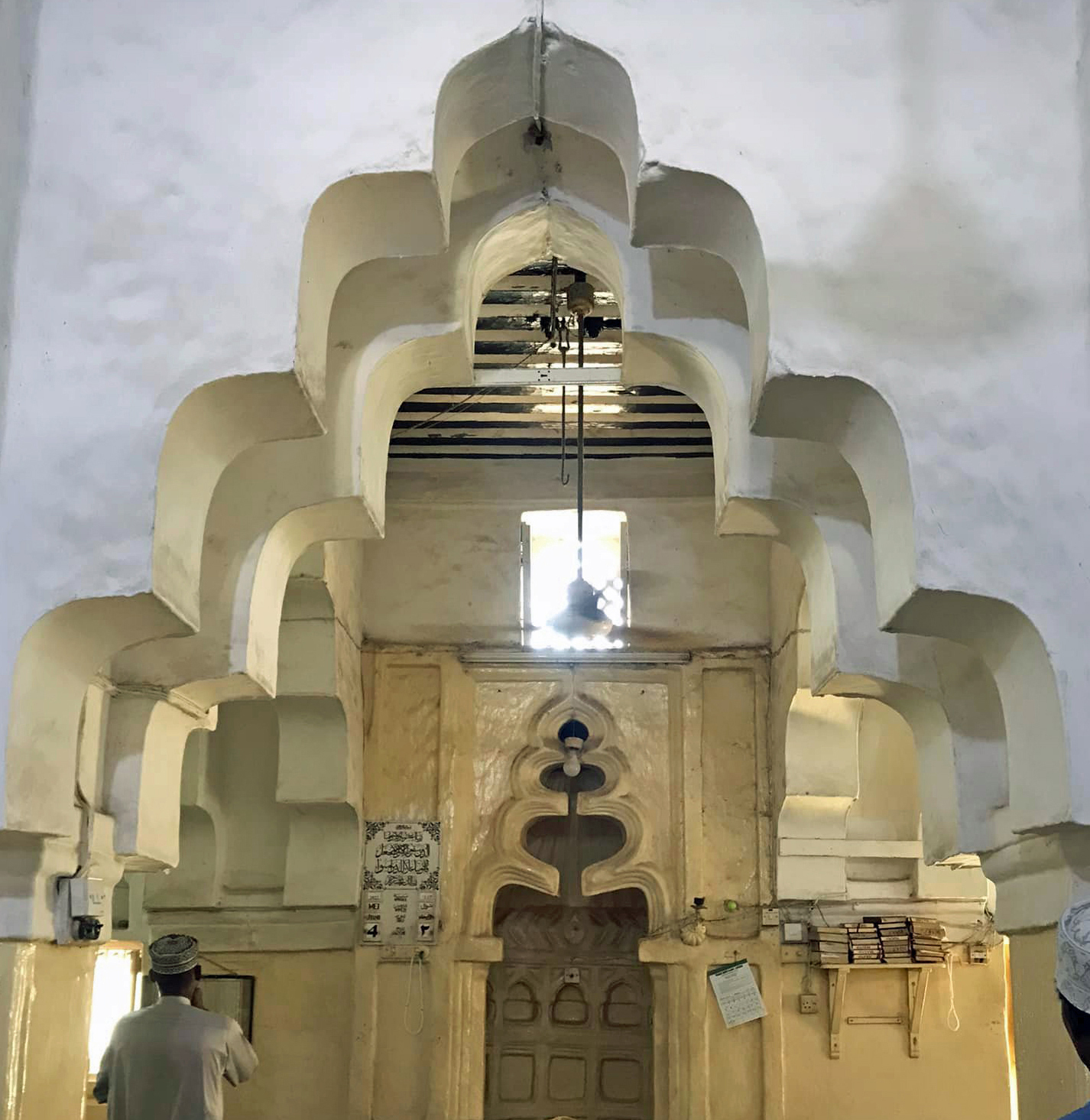
Another significant mosque, believed to be the first Friday Mosque in Mtwara, was constructed nearby by an Arab woman who fulfilled a vow to build a mosque if she succeeded in a personal endeavour. Outside this mosque are the graves of prominent individuals dating back to the 14th century, though their names and identities remain unknown.
The Aga Khan Building
Navilongo also mentions the Aga Khan building, formerly a school for the children of the elite. Kawiche adds that the National Museum is in communication with the Aga Khan Foundation regarding collaborative efforts to preserve this still-sturdy structure.
The Old Prison
Another site of interest is the old prison, located by the roadside near the Mikindani harbour jetty. Navilongo recounts its history: “Originally a German fort, it was later used as a prison. Interestingly, it never held more than seven inmates at a time.
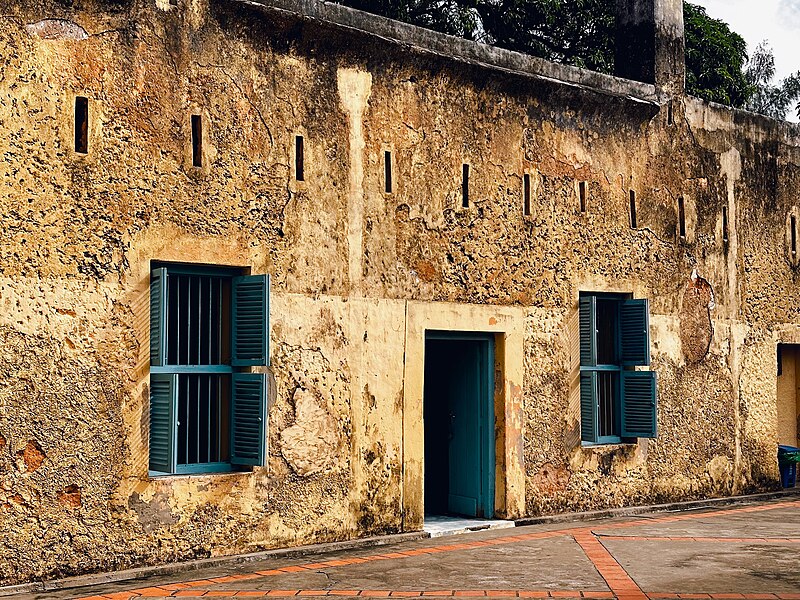
Not all offenders were imprisoned some were simply relocated to other plantations, often among tribes with different languages, making communication difficult and escape unlikely.”
Nyerere House
This house gained fame because Mwalimu Nyerere slept there during his 1954 visit to Mikindani. Though not his own residence, a local elder offered him a room for the night.
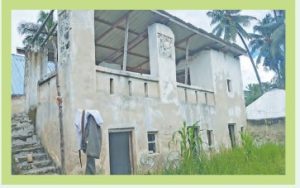
during his visit to Mikindani in 1954.
That room and house have since been renovated by the government and are now recognised as a historic site known as ‘Nyerere House.’