India’s envoy urges responsible tree use to protect environment
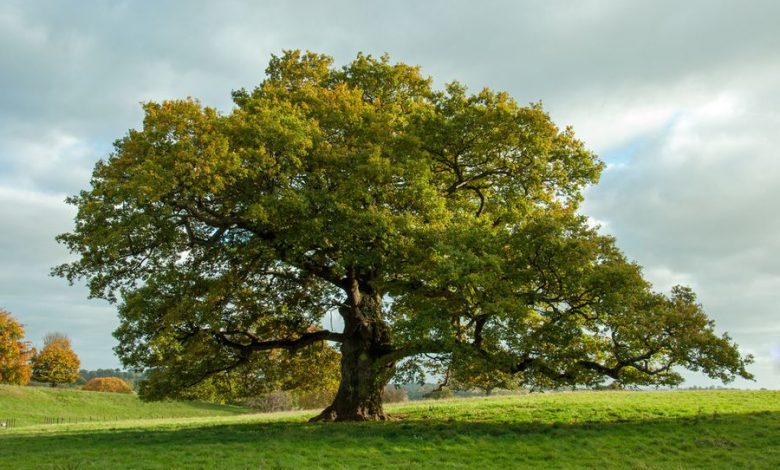
DAR ES SALAAM: INDIA’s High Commissioner to Tanzania, Bishwadip Dey, has called for urgent action to protect the environment, urging the public to practice responsible tree harvesting and planting to mitigate the effects of climate change.
Speaking to traditional medicine practitioners in Dar es Salaam on Wednesday during the celebration of nine years of Ayurveda he said beyond environmental protection, trees serve as essential resources for medicines, food and decoration.
He asked the public to always plant trees and whenever they cut one, there should be a replanting of more others.
“The science of life involves researching and understanding the processes of life, including biology, ecology and other issues related to living organisms and their environments,” he said.
He added: “We have been using these trees for various purposes, but we are not planting new ones for future generations, which is unsafe. That’s why we have brought you together as practitioners of traditional medicine since most of you rely on these trees for treatment. We need to find alignment in these matters and work together to protect the environment by stopping these practices and planting trees.” Mr Dey insisted on the importance of educating traditional medicine practitioners on the necessity of both cutting and planting trees to address challenges posed by climate change, which could potentially lead to drought.
ALSO READ: Govt stresses collaborative efforts for sustainable environmental management
The General Secretary of the Traditional Medicines and Environmental Protection Organisation (TRAMEPRO), Mr Boniventura Mwalongo noted that over the years of collaboration between India and Tanzania, they have successfully planted trees with medicinal properties.
“Through our partnership, we have planted 14 types of trees, showcasing the shared use of medicinal plants in both Tanzania and India. This has positioned our country tenth in the development of traditional medicine and we will continue to collaborate on research, education and technology,” he stated.
He also pointed out that the country faces environmental degradation challenges due to the removal of plants used for medicinal purposes without adequate replacement, which hampers President Samia Suluhu Hassan’s environmental conservation efforts.
Mr Mwalongo reminded the community of the importance of traditional medicines in treating liver diseases, worms, children’s fevers, haemorrhoids and boosting immunity. He added that ongoing collaboration in industrial production will further strengthen relations between the two nations.
Mr Dey joined participants in planting trees at the Indian Cultural Centre to support environmental conservation. For centuries, people across countries have relied on traditional healers, home remedies and ancient medicinal knowledge to address their health and well-being needs.
According to the WHO Global Report on Traditional and Complementary Medicine (2019), various systems of traditional medicine used worldwide include acupuncture, herbal medicine, indigenous practices, homeopathy, traditional Chinese medicine, naturopathy, chiropractic, osteopathy, Ayurvedic, and Unani medicine.
One hundred seventy WHO Member States have reported the use of traditional medicine by their populations. While traditional medicine is sometimes viewed as pre-scientific, with practices and treatments often replaced by modern, science-based medicine, its contributions to modern science and medicine are less recognised.
There is a long history of traditional products and practices being translated into effective treatments for health conditions. Around 40 per cent of today’s pharmaceutical products are derived from nature and traditional knowledge, including landmark drugs such as aspirin, artemisinin and treatments for childhood cancer.
A closer look at these drugs reveals that the scientists behind them built upon traditional knowledge to achieve their breakthrough discoveries.