IAEA, WHO praise Tanzania’s cancer care investment

THE International Atomic Energy Agency (IAEA) and World Health Organisation (WHO) experts have lauded Tanzania’s growing investment in cancer care.
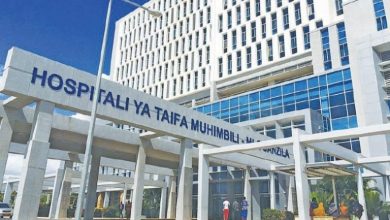
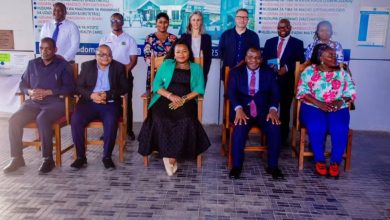
The delegation, led by Dr Alfred Karagu, Coordinator of IAEA’s review programme toured the Benjamin Mkapa Hospital (BMH) in Dodoma this week and they were impressed by the stateof-the-art Cancer Training and Treatment Centre under construction at BMH, which they believe will transform access to oncology services in the country.
“This visit, under the IMPACT project, has enabled us to assess Tanzania’s capacity to tackle cancer. We are pleased with the modern facilities being built here, which will boost radiotherapy services and enhance cancer care nationwide,” Dr Karagu said.
He added that a similar review in 2006 paved the way for Tanzania’s first National Cancer Control Strategy, which ran until 2022, stressing that the current evaluation will guide the development of a new strategy. Professor Hanan Gewefel, a radiology and nuclear medicine expert from IAEA, underscored the importance of public awareness and routine screening, especially for breast cancer.
ALSO READ: Tanzania resorts to science diplomacy in driving Africa’s health system
She lauded BMH’s advanced mammography equipment, which detects the disease at early stages, cutting costs and improving survival. National Cancer Coordinator from the Ministry of Health, Dr Caroline Mrema, said this is the second IAEA–WHO assessment in Tanzania, the first being in 2006.
“The previous review helped to develop the National Cancer Control Strategy, which ended in 2022. This assessment will guide the creation of a new strategy in collaboration with stakeholders,” she explained.
BMH Executive Director, Professor Abel Makubi, said the hospital already provides chemotherapy and palliative care, with preparations underway for radiotherapy and nuclear medicine once the centre is complete.
“Government has invested over 30bn/- in this project, which will serve not only Tanzania but also neighbouring countries,” he said, appealing for more support in equipment and training.