

Human Trafficking: It’s time to stop writing reports, arrest traffickers

DAR ES SALAAM: AT this point, let us not sugarcoat it, human trafficking in Tanzania is clandestinely real, though not out of control unlike in other parts of the world. And while meetings, speeches and reports are piling up on the crime, what is desperately needed is action. Real action.
Immediate, visible, justice-delivering action. That is the call from the National AntiHuman Trafficking Network (TANAHUT), a frontline watchdog in the war against human trafficking.
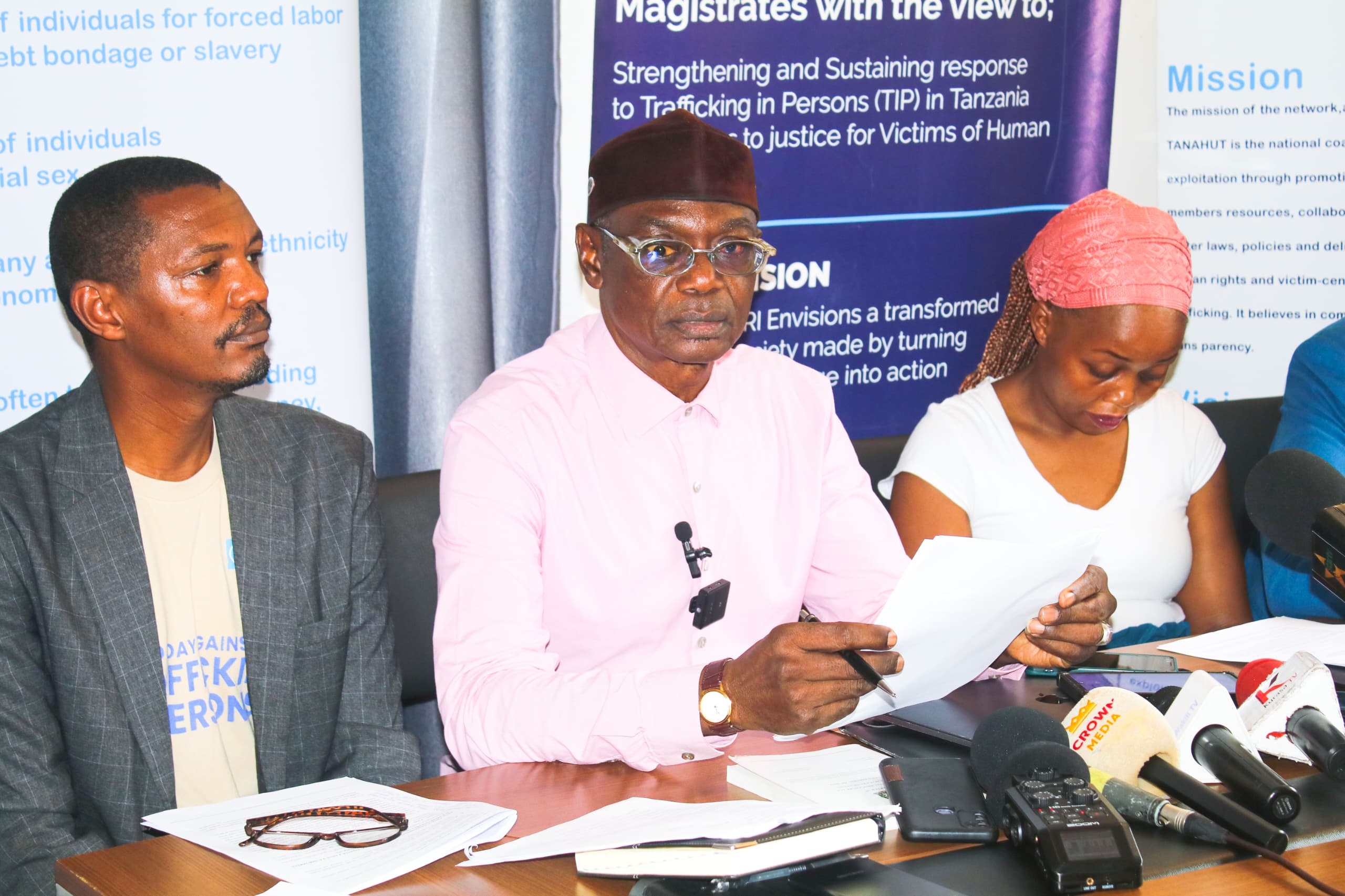
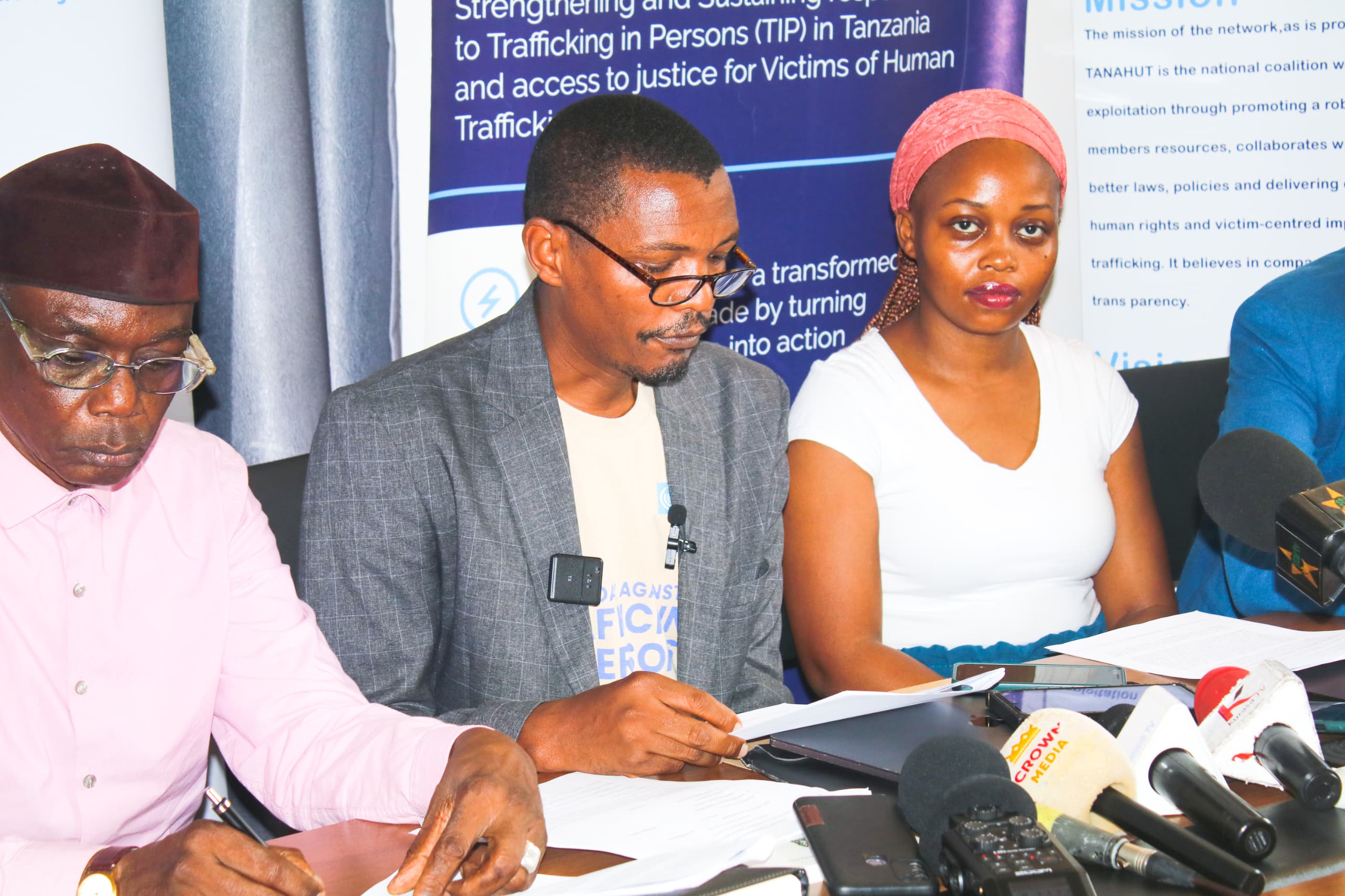
Addressing the media in Dar es Salaam on Tuesday, TANAHUT Director, Advocate Edwin Mugambila, did not mince words. He made it clear that while the fight against trafficking is ongoing, progress is being tripped up by sluggish responses from law enforcement and judicial bodies.
“Illegal trafficking is still ongoing,” said Mugambila, “and we urge that appropriate and swift action be taken to bring the criminals to justice.” And there lies the heart of the matter-speed and seriousness.
TANAHUT is not calling for extra hugs or high-level conferences. They are asking for authorities, especially the Police Force and the Judiciary to wake up and move like they mean it. Arrest the traffickers.
Try the cases. Deliver justice. End of story. Here, Mugambila acknowledged the collaboration between TANAHUT, the Ministry of Home Affairs and the Police Force, but says it is time to move from warm words to cold, hard consequences.
To do that, the National Secretariat for Combating Human Trafficking needs serious financial backup.
According to him, the Secretariat works around the clock but lacks the budgetary muscle to punch back against traffickers and even sabotage from within-yes, you heard that right, internal sabotage, even from elements within investigative bodies.
Let that sink in: While activists and NGOs are burning the midnight oil to save lives, some people within the system are playing for the other team.
To fix this, Mugambila is calling on the Ministry of Home Affairs to boost both the legal powers and financial resources of the National Committee for the Prevention of Human Trafficking. Only then, he says, can the committee truly do its job.
TANAHUT has already reported and filed several trafficking cases, but instead of justice, what they are often met with is the silent sound of inaction. Suspects remain uncharged. Victims remain unprotected.
And stakeholders? They are left feeling like they are clapping with one hand. In a bid to shake things up, TANAHUT is currently compiling a national report on human trafficking cases in Tanzania.
The report will spotlight regions with high trafficking prevalence and list unresolved cases.
The goal? To name, shame and wake up those in charge. The report will be released on July 29, just before the World Day Against Trafficking in Persons on July 30.
ALSO READ: Tanzania steps up fight against human trafficking
Retired Police Commander Abdallah Msika added his voice to the call for citizen action. He urged Tanzanians to stop whispering and start reporting trafficking cases early so that offenders can be arrested and prosecuted before they disappear like smoke in a daladala.
Halima Konda, TANAHUT’s National Coordinator, was not pulling punches either. She emphasised the urgent need to protect victims, not just with words, but with policies.
That includes denying bail to suspects in trafficking cases to prevent them from intimidating victims or continuing their shady operaHuman Trafficking: It’s time to stop writing reports, arrest traffickers tions while out on bond.
Because let us face itif a known trafficker gets bail, what do you think they will do first? Sit quietly and read a book? And the warnings didn’t stop there.
Stakeholders within the TANAHUT network raised a crucial point: Many trafficking cases begin at home, disguised as opportunities.
Parents and guardians, they warned, should be vigilant when children are “taken away for work or studies,” especially to unfamiliar regions or abroad. Too often, these “opportunities” end in exploitation—especially sexual exploitation.
It’s a chilling reality that demands attention. Not cautionary tales at conferences. Not sympathetic nods.
But prevention, protection and prosecution. And in case anyone still thinks this is a minor issue, here’s a cold fact: Human trafficking is one of the fastest-growing criminal enterprises globally, pulling in over 150 billion US dollars a year.
Of that, a staggering 98 billion US dollars come from sexual exploitation. That’s more money than most countries’ GDPs. Tanzania is not immune.
In fact, it’s very much part of this global web. And unless we take bolder steps now, the web will only grow tighter— around the victims and around our national conscience.
So, here’s the deal, Tanzania: If you’re in law enforcement-investigate and arrest; If you’re in the judiciary-prosecute and sentence; If you’re a policymaker-fund and empower the institutions that are fighting this fight; If you’re a parent or citizen-stay alert, speak out and never stay silent.
Because in the war against human trafficking, silence is not neutral, it is deadly.

462250 994138Obtaining the correct Immigration Solicitor […]below you will uncover the link to some web sites that we think you need to visit[…] 972250