

How women coffee farmers are transforming Songwe’s economy, society
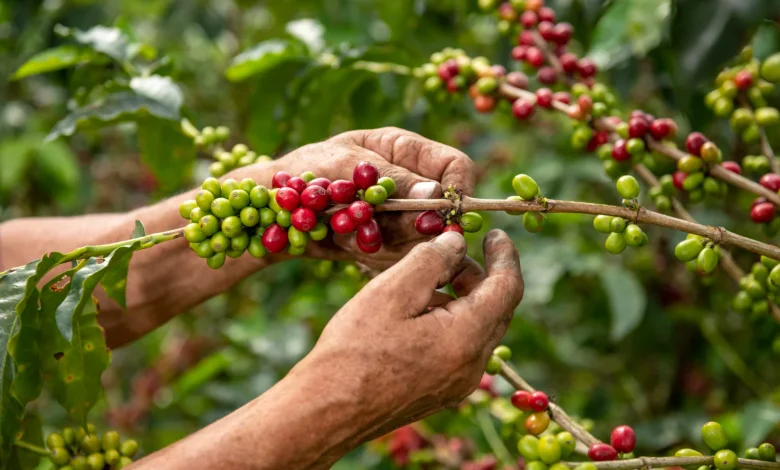
SONGWE: IN the rolling highlands of Tanzania’s Songwe Region, where fertile soils and favourable climate make coffee a key economic lifeline, a quiet but powerful transformation is taking place.
More than 3,200 women coffee farmers have recently graduated from an intensive one-year training programme, marking not only a personal milestone for each participant but also a significant step toward gender equality, economic empowerment and sustainable rural development.
At the heart of this transformation is a clear commitment from both government and development partners to place women at the centre of economic growth.
Speaking during the graduation ceremony held in Karasha Village, Mlowo Ward, Mbozi District, the Songwe Regional Administrative Secretary, Vanscar Kulanga, reaffirmed the government’s resolve to continue creating opportunities that enable women to participate equally in economic activities.
“Our goal is to build a society with strong and sustainable well-being. This cannot be achieved without ensuring that women are fully involved and empowered in all sectors of development,” Kulanga said.
ALSO READ: Why Tanzania’s minerals hold key to 2050 vision
Across Tanzania, women play a central role in agriculture, from food production to cash crops. In Songwe, coffee farming is a critical economic activity that supports thousands of households.
Kulanga acknowledged that women already contribute significantly to family welfare and community development through agriculture and other activities. However, he also pointed out that structural challenges persist.
“One of the major challenges women continue to face is limited participation in land ownership,” he noted. Without secure access to land and other productive resources, women’s full economic potential often remains untapped.
The government, he emphasised, recognises these challenges and is determined to address them by ensuring women’s participation in all available opportunities.
This includes access to training, markets, leadership positions and productive assets, key factors for long-term empowerment.
Coffee is not just a crop in Songwe, it is a backbone of the regional economy and a significant contributor to national export earnings. Kulanga highlighted that empowering women within the coffee value chain has a multiplier effect, increasing incomes at household, community and regional levels.
“When women are equipped with skills and are closely involved in the coffee sector, the benefits are felt everywhere, from families to the wider economy,” he said.
He praised Sustainable Growers, the organisation that implemented the training programme, for dramatically increasing women’s participation in coffee-related activities.
“We have moved from a situation where women’s participation was about 20 per cent to now nearly 80 per cent. This is a remarkable achievement and we expect even better results in the future,” he said.
Looking ahead, he said the government, in collaboration with stakeholders, has set ambitious targets to strengthen the coffee sector.
One key strategy is to increase the production of quality coffee seedlings from the current 4.5 million to 8.5 million by 2030, ensuring sustainability and higher productivity.
The graduation ceremony celebrated 3,263 women from nine cooperatives across Songwe who completed the year-long training programme organised by Sustainable Growers Rwanda, an NGO known for its innovative approach to supporting smallholder women coffee farmers.
According to Christine Condo, Chief Executive Officer of Sustainable Growers Rwanda, the programme was designed to go beyond basic farming skills.
“Our training equips women with knowledge and practical skills across the entire coffee value chain. This includes seedling preparation, planting, harvesting, drying, home roasting and adding value by producing various coffee products,” she explained.
In addition to agronomic skills, the programme incorporated modules on leadership, storytelling and market access. These sessions aimed to strengthen women’s confidence, amplify their voices and prepare them to take on leadership roles within cooperatives and their communities.
“Our vision is not just to improve coffee quality, to strengthen women’s leadership and advance rural livelihoods in line with national development goals,” Ms Condo said.
ALSO READ: DSE records exponential surge in market turnover
A distinctive feature of Sustainable Growers’ work is its Premium Sharing Rewards (PSR) programme, which recognises and incentives excellence among women coffee farmers.
All 3,263 graduates from the nine cooperatives were recognised for their commitment to climate-smart farming techniques, teamwork and active community engagement.
Under the PSR programme, farmers are assessed after each training module. Their performance scores contribute to year-end recognition and rewards, fostering motivation and healthy competition while reinforcing best practices.
The programme also encourages participation in broader community initiatives, including health and sanitation campaigns, malaria prevention and enrollment in health insurance schemes. In this way, economic empowerment is closely linked with social well-being.
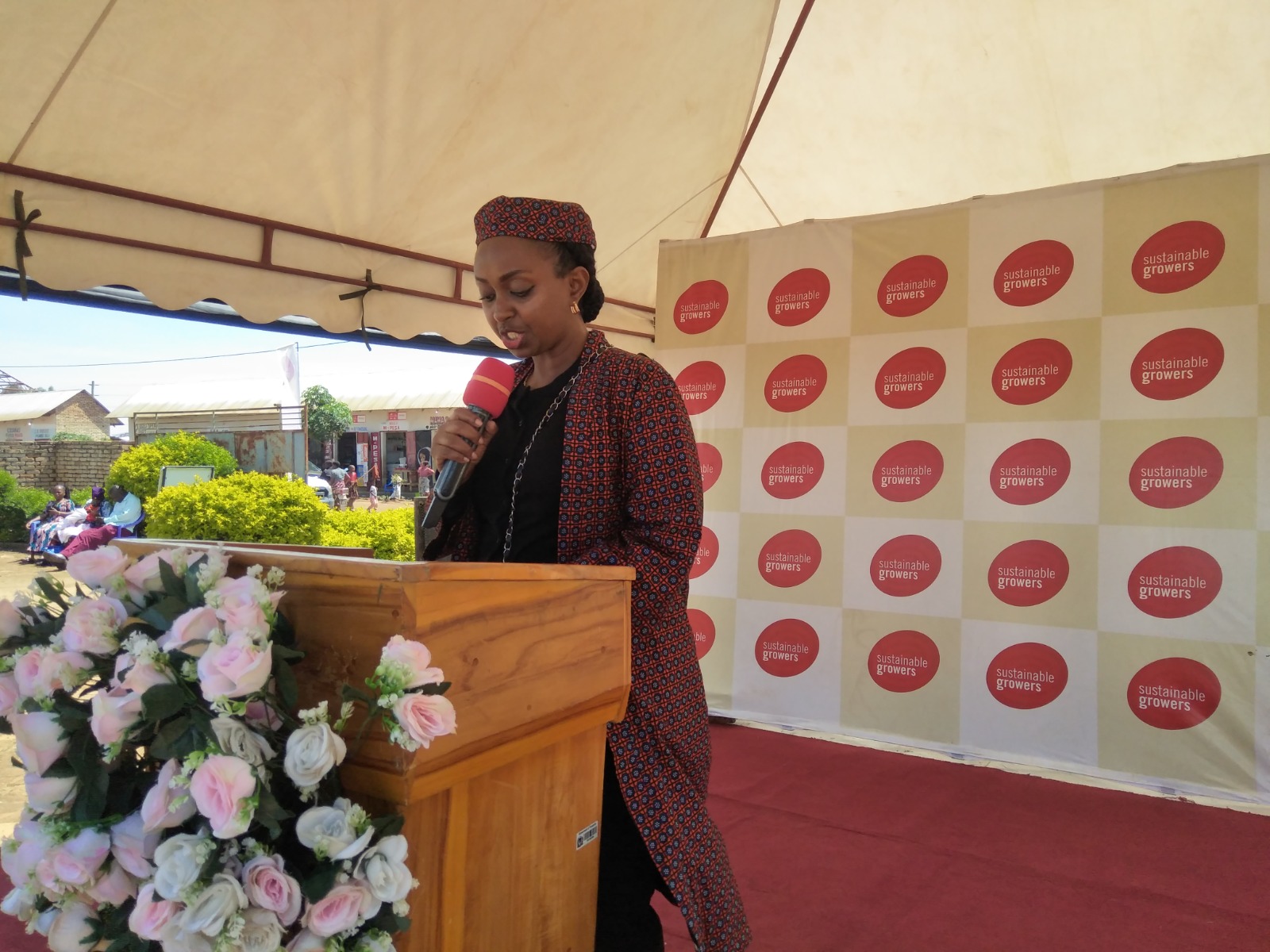
(Photo by Joachim Nyambo)
During the graduation ceremonies, participants received certificates of completion along with practical assets such as cows, goats, farm pesticide spraying pumps and household items like mattresses.
These rewards not only support continued economic growth but also reinforce the women’s professional identity as skilled coffee producers.
For many beneficiaries, the training has been transformative. Elizabeth Simfukwe, one of the graduates, shared how the programme has expanded their ambitions.
“Expanding the coffee value chain is one of our main expectations now. We have gained skills that will help us reach these goals,” she said.
Elizabeth explained that practical, hands-on learning was a core component of the training.
“We have been learning how to transplant coffee seedlings, which we sell and how to plant them on our own farms. Because of this education, many women have joined our groups after seeing the benefits,” she says.
She added that the women now possess expertise in processing harvested coffee to meet market quality standards, an essential step in accessing better prices and new markets.
Another beneficiary, Nikusekela Ambukeghe Mwatake, President of the Muungano Hatelele Cooperative in Songwe, emphasised the broader impact of the programme.
“Thanks to Sustainable Growers’ training, I have learned new techniques to improve the quality of my coffee and manage my farm more efficiently. This knowledge strengthens not just individual farmers but the entire cooperative,” she says.
The Songwe graduation is part of a wider regional effort. With long-standing support from founding partner Bloomberg Philanthropies, Sustainable Growers has reached over 328,000 people and benefited more than 60,000 women farmers across Rwanda, the Democratic Republic of Congo and Tanzania.
The Graduation and Premium Sharing Reward initiative is held annually and serves as both a celebration and a strategic intervention. It boosts motivation, strengthens community leadership and reinforces the central role of women in the coffee sector, an industry historically dominated by men despite women providing much of the labour.
As the celebrations in Karasha Village came to an end, the significance of the moment was clear. The graduation was not merely about certificates or prizes, it was about shifting mindsets, redistributing opportunities and redefining women’s roles in economic development.
By combining government commitment, innovative NGO programming and the determination of women farmers themselves, Songwe Region is setting a powerful example. Empowered women are producing better coffee, earning higher incomes and taking on leadership roles, benefits that ripple through families, cooperatives and communities.
As Tanzania continues to pursue inclusive and sustainable development, the story of Songwe’s women coffee farmers stands as a reminder that when women are given skills, resources and recognition, they do far more than grow crops, they cultivate equality, resilience and hope for generations to come.



6.6 PROGRAMU ZA KIELELEZO
Mpango Elekezi 2050 umeainisha miradi 14 ya kielelezo. Miradi hii inalenga kuleta mageuzi ya viwanda nchini. Pia, itachochea ukuaji wa uchumi wa kidijitali na uchumi wa kijani. Itasaidia kukuza nguvukazi yenye ujuzi na maarifa ya kisasa. Aidha, miradi hii inalenga kuongeza ushindani wa Tanzania katika masoko ya kikanda na kimataifa. Miradi hiyo imepangwa kama ifuatavyo:
NO PROGRAMME
1 Mageuzi ya Viwanda kwa Ukuaji wa Uchumi
2 Ujumuishaji wa Sekta ya Madini kwa Maendeleo ya Viwanda na Uchumi wa Kijani
3 Ubunifu wa Kidijitali na Miundombinu Mahiri kwa Ukuaji wa Siku za Usoni
4 Ujenzi wa Uhimilivu wa Tabianchi na Uchumi Endelevu wa Kijani
5 Kuendeleza Miundombinu na Muunganisho wa Usafiri kwa Tanzania kuwa Kitovu cha Kikanda
6 Mageuzi ya Sekta ya Nishati kwa Umeme Safi na Endelevu
7 Kukuza nguvukazi yenye Afya, Elimu na Ujuzi
8 Kuimarisha Utawala Bora, Uwajibikaji na Mifumo ya Udhibiti
9 Kuendeleza Miji Mahiri na Miundombinu Endelevu ya Mijini
10 Kuchochea Biashara, Uwekezaji na Upanuzi wa Uchumi
11 Kupanua Sekta ya Utalii na Uchumi wa Utamaduni
12 Kubadilisha Sekta ya Kilimo na Uchumi wa Vijijini
13 Kuboresha Elimu, Utafiti na Ubunifu wa Kiteknolojia
14 Mageuzi ya Kifedha ya Kidijitali na Jumuishi