

How tourism has transformed lives, industries in Tanzania
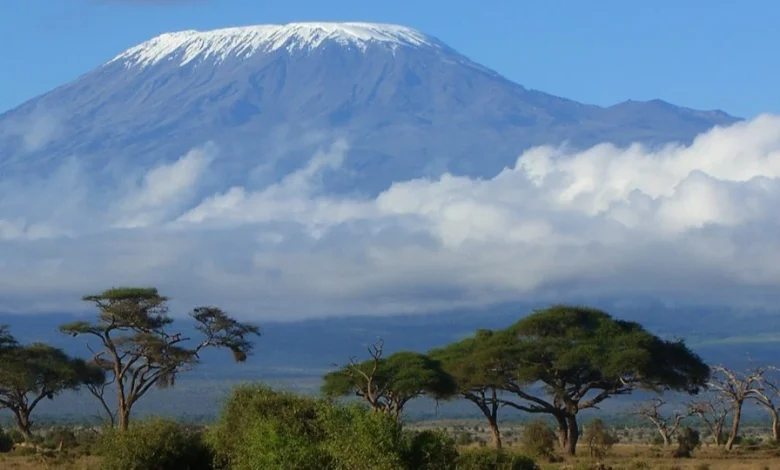
KILIMANJARO: WHEN dawn breaks over the slopes of Kilimanjaro, the mountain comes alive. Dozens of porters hoist brightly coloured tents onto their shoulders, guides gather their teams, and climbers from around the world prepare to chase the sunrise toward Africa’s highest peak.
It is a familiar scene, yet one that carries a deeper meaning. It reflects a tourism industry that has not only grown over the past ten years, but transformed in ways that shape livelihoods, communities, and the nation’s economic identity.
According to the Bank of Tanzania, tourism generated $3.92 billion by May 2025, surpassing gold as the country’s top foreign-currency earner. From the Serengeti’s great migration to the glaciers of Kilimanjaro, Tanzania’s natural wonders continue to draw millions of visitors each year.
But beyond the impressive statistics lies a more important story, how this growth is changing the lives of ordinary Tanzanians.
To understand this transformation, our team travelled to Kilimanjaro, the heart of the country’s adventure tourism to hear directly from the people whose work powers the industry.
In 2015, the tourism industry directly employed 467,000 workers, which are guides, porters, drivers, chefs, waiters, hotel staff including indirect jobs like farmers, craftsmen, transport providers, and the total number reached 1.34 million jobs.
Today, the transformation is much larger.
The World Travel and Tourism Council reports,1.5 million direct jobs, 2.5million total jobs across the entire value chain.
The rise in tourist arrivals is a key driver because in 2015, Tanzania welcomed a total of 1.14 million visitors and in 2024 2.1 million visitors, according to the International Visitors Exit Report.
The growth is clear. But what does it mean for the people working on the frontlines?
Tourism has changed lives in many ways and this includes higher jobs and better job security.
Doris Lemghe, now a manager at Altezza Travel, joined the company in 2015 as an operations specialist. Back then, the company had about ten employees.
“I handled almost everything, greeting visitors, writing emails, managing hotel bookings. Today, the company has around 250 employees and strict procedures for every climb. In 2024 alone, we hired more than sixty new staff. Salaries have also risen. A year ago, we set a minimum pay of 400,000/- for basic roles, including apprentices.” she said.
Her story mirrors a wider trend. Many tour operators now offer competitive salaries, formal employment contracts, skill-based promotions and apprenticeship programs for young people.
Tourisms has also allowed employees access to modern banking, healthcare and retirement benefits.
In the early 2010s, many companies paid salaries in cash. Today, due to stronger compliance standards, most tourism operators pay employees through bank accounts.
Emiliana James from Altezza Travel’s HR department notes. “Paying salaries officially is not just a legal requirement, it gives staff access to health insurance, loans, retirement savings and financial stability. I would say that working for good tourism companies in Tanzania is now comparable to Eastern Europe.”
A safer working environment for porters and guides is also one of the many benefits of tourism. Safety on Kilimanjaro has greatly improved. Abraham Kipokola, a mountain guide who started as a porter 15 years ago, recalls:
“Ten years ago, there were no shared standards. Food was scarce and each company handled things differently. Today, responsible operators follow the recommendations of the Kilimanjaro Porter Assistance Project.”
He said as of 2025, the daily porter rate is 25,000/- including full hot meals and not just rice and bread.
Companies are required to provide proper gear and emergency support, he said, and described a recent emergency.
“A porter fell ill on the mountain and Altezza arranged a helicopter evacuation and covered all costs. Ten years ago, helicopters weren’t available and no one would spend that money on a porter.”
Abraham believes the industry’s stability is giving young Tanzanians new opportunities.
“If you’re unsure what career to choose, consider tourism. We have Kilimanjaro, Serengeti and Ngorongoro, these wonders will always attract visitors. Guiding is one of the best careers in Tanzania.” he said.
Since sustainability is no longer optional. Simbo Natal from African Scenic Safaris says the biggest change in recent years is the shift toward sustainability.
“Six years ago, responsible tourism felt like something only the boss cared about. Today, our staff are front line ambassadors teaching guests to reduce waste, carry garbage down the mountain, use reusable bottles and follow ‘leave no trace’ rules. The whole industry is moving in this direction,” he noted.
Nowadays more companies follow strict safety standards, transparent and fair employment is becoming the norm and communities are benefiting through schools, jobs and conservation projects
Melissa Foley, founder of All About Africa Sustainability Consulting, adds, “The biggest shift has been toward transparency. The Kilimanjaro Porter Assistance Project (KPAP) and Kilimanjaro Responsible Trekking Organisation have created a consistent, accessible and independent monitoring system. Ethical practices are no longer guesswork, they are measurable.”
She explains that increasing visibility is driven by higher international expectations, demand for proof instead of promises and a booking advantage for ethical companies.
Local operators are now leading the market. Aleksandr Andreichuk, founder of Altezza Travel, reflects on a decade of change.
“Even during the COVID-19 pandemic, we invested in our team and conservation projects. Between 2024 and 2025, we became a B Corp, earned Travelife certification, joined UN Tourism and partnered with the International Mountain Climbing Federation.”
He notes a major market shift.
“Ten years ago, foreign agencies dominated bookings and kept large commissions. Today, more travelers book directly with Tanzanian companies. That has increased profits, and in 2025 we became the largest taxpayer in the region.”
Even with the rapid growth, the industry still faces challenges, one of them being inconsistent ethical conduct among guides, whereby some demonstrate excellent knowledge and professionalism while others try to impress tourists and find themselves breaking the rules.
Driving off-road in parks and blocking migration crossing points, including leaving waste on trails are also among the challenges.
Efforts have been made, including training workshops and codes of conduct, but enforcement needs strengthening.
Although regular clean up climbs have helped, the mountain is still not as pristine as in the 1990s.
Zanzibar introduced a Mandatory Insurance Fee, and the new £44 insurance fee has raised questions among tour operators.
While insurance is necessary, many argue that travelers already have private medical coverage and that a single provider mandatory policy may seem unreasonable.
Tanzania should adopt a model where any valid travel insurance is accepted because operators fear that unnecessary costs could affect visitor perception.
Despite these challenges, industry leaders remain optimistic. The sector has skilled workers, modern technology and extensive experience. As long as stability is maintained, tourism will continue to grow and Tanzania is well positioned to become a leader in East Africa and eventually across the continent.
ALSO READ: Tanzania wins major global award in safari tourism
What began with a few thousand porters and guides, has evolved into one of the country’s strongest industries creating jobs, empowering communities and shaping a sustainable future.
As Kilimanjaro’s silhouette stands unchanged against the rising sun, one thing is clear: the people who work beneath its slopes are climbing too, toward better pay, safer conditions and brighter opportunities.


I read your article very impressively I want to write something like this
파워볼사이트
Great web site! It looks really expert! Maintain the helpful job!
토토사이트