HEAVY RAINS DISRUPTION: Govt on high alert
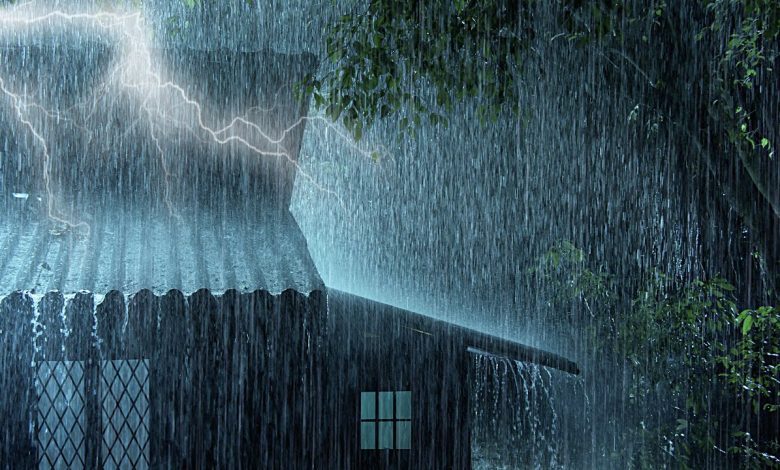
DAR ES SALAAM: THE Government has stepped up interventions to mitigate the effects of ongoing heavy rainfall, which has already disrupted transport infrastructure in several regions, including the Standard Gauge Railway (SGR).
“The government has already begun taking immediate measures to repair the damaged infrastructure and restore safety to its original condition,” a statement from the Transport Ministry said. In the statement issued yesterday, the ministry urged members of the public to remain patient as restoration works continue.
Meanwhile, speaking to the Daily News yesterday, Permanent Secretary in the Prime Minister’s Office (Policy, Parliament, Coordination and People with Disabilities), Dr Jim Yonazi, urged citizens to closely follow weather updates and safety directives issued by the Tanzania Meteorological Authority (TMA).
“First and foremost, what we are doing is to provide early warnings. Citizens should closely follow weather updates from the government in order to take precautionary measures,” Dr Yonazi said.
He underlined the importance of TMA notifications in enabling the public to make informed decisions and reduce risks associated with extreme weather events.
TMA had earlier issued a warning of heavy rainfall expected to affect many parts of the country from December 26 to 29, 2025.
According to the Authority, regions likely to be affected include Kigoma, Tabora, Katavi, Rukwa, Mbeya, Songwe, Iringa, Njombe, Dodoma, Singida, Songea, Morogoro, Lindi, Mtwara, Arusha, Manyara, Kilimanjaro, Tanga, Dar es Salaam and the Coast Region, including Mafia Island, as well as the islands of Unguja and Pemba.
In a statement issued yesterday, TMA said prevailing weather systems indicate an intensification of the rainfall belt, which is expected to cause continued heavy rains today in parts of Arusha, Mara, Simiyu, Rukwa, Songwe, Iringa, Njombe, Morogoro, Ruvuma, Lindi and Mtwara regions.
The Transport Ministry reported that the heavy rains damaged sections of the old Meter Gauge Railway (MGR), particularly in the Kidete area of Kilosa District in Morogoro Region and Gulwe area in Mpwapwa District, Dodoma Region.
The downpour also caused power disruptions affecting both Tanzania Electric Supply Company Limited (TANESCO) electricity supply and the SGR power system, resulting in interruptions to railway operations.
In addition, the Morogoro–Iringa Highway sustained damage, especially at the Mama Marashi section in Mikumi, where rockfalls and mud accumulation posed serious risks to road users.
Citizens have been advised to avoid travelling through affected areas where possible, closely follow official updates from the government and relevant authorities and comply with directives issued by security agencies and transport officials.
The ministry further urged the public to stay away from damaged railway and road infrastructure to prevent accidents.
TMA said it is closely monitoring weather developments across the country and will continue issuing updates as necessary.
The Authority also advised the public to adhere to weather forecasts and guidance from sector experts to safeguard themselves against potential impacts.
The statement further noted that from last night into the early hours of yesterday, many areas across the country experienced heavy rainfall accompanied by strong winds, resulting in damage to property and infrastructure in some locations.
In a related development, Agricultural Analyst and Business Expert Dr Sylivester Jotta called on citizens to take advantage of the December rains and those expected in the coming months by cultivating drought-resilient crops such as cassava and millets.
ALSO READ: TMA forecasts heavy rains in 20 regions today
Dr Jotta said growing resilient crops would help sustain national food security and support the broader economy.
He warned that failure to capitalise on the ongoing rains could lead to food price surges in the coming months, potentially resulting in food shortages, particularly among farmers who rely on rain-fed agriculture.
Looking ahead, he advised the government, through the National Irrigation Commission, to roll out irrigation programmes as an alternative to reliance on rainfall, noting that such initiatives would boost productivity among the more than 60 per cent of Tanzanians engaged in agriculture.
A farmer from Shinyanga Region, Mr Michael Kiriba, said drought had already affected agricultural production, noting that maize planted in October dried up due to lack of rainfall until December.
He explained that in Didia area, Shinyanga Region, farmers traditionally begin their farming season in October, but in 2025 only October experienced light rains, followed by a dry November and limited rainfall in late December.
However, Mr Kiriba said renewed rainfall has restored hope, adding that he is now prioritising drought-resilient maize varieties with a short maturity period of about two months and better yields. He also said he cultivates cassava.
He commended TMA for its timely weather notifications, saying they are crucial for agricultural planning and decision-making.
Similarly, a farmer from Mwanza, Mr Medard Wilfred, said the Lake Zone, including Mwanza Region, experienced rainfall in December that enabled farmers to continue cultivation.
He urged fellow farmers to heed TMA advisories, use quality seeds and apply adequate fertilisers to improve yields during the current and upcoming farming seasons.