

Govt unveils bold youth plan
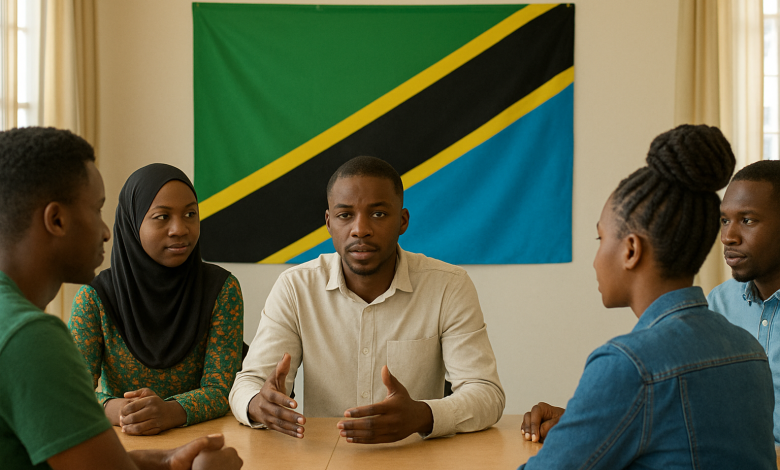
DAR ES SALAAM: THE government on Tuesday unveiled ambitious strategies aimed at empowering youth economically, including supporting ideas and innovations, financing start-up businesses and establishing more than 100,000 youth-led companies to drive the manufacturing sector and the national economy.
The initiative seeks to stimulate innovation, boost exports and create jobs in line with the ruling CCM Election Manifesto 2025–2030, which targets the creation of about eight million jobs over the next five years.
Speaking to reporters in Dar es Salaam, the Minister of State in the President’s Office responsible for Youth Development, Dr Joel Nanauka, outlined the government’s strategies, underscoring the critical role of youth in accelerating industrialisation and overall economic growth.
“The government is committed to empowering youth economically by enabling them to shift from owning micro-businesses to running large companies and leading the manufacturing economy,” Dr Nanauka said, adding that the goal is to have a significant proportion of youth as producers and manufacturers.
He said that under a youth investment programme, the ministry aims to establish over 100,000 youth-led companies within the next five years, of which 20,000 will be accommodated in Special Economic Zones (SEZs) in collaboration with the Tanzania Investment and Special Economic Zones Authority (TISEZA).
These companies will benefit from a designated funding scheme, including asset financing to help them acquire essential equipment and machinery.
According to Dr Nanauka, the 20,000 shortlisted youthled manufacturing companies will be required to create at least 50 jobs each, contributing to the ministry’s target of generating about one million jobs over the next five years. He said the youth-led companies operating in SEZs will invest in priority sectors such as agro-processing and digital creative industries.
ALSO READ: How women coffee farmers are transforming Songwe’s economy, society
He noted that their placement in SEZs will enhance their credibility and attract financial support from private sector players, including banks.
Dr Nanauka emphasised that the SEZs will be equipped with supportive investment infrastructure, including reliable electricity and Information and Communication Technology (ICT), facilitated through TISEZA’s One-Stop Facilitation Centre to address the needs of youth manufacturers.
To expand access to capital, he said the ministry will establish a credit guarantee scheme and engage banks to create dedicated youth investment windows, enabling young entrepreneurs to access affordable loans without necessarily providing collateral.
He further revealed that the ministry has an indicative budget of 8bn/- to support youth-led businesses, noting that the funds are part of President Samia Suluhu Hassan’s 200bn/- pledge made during her first 100 days in office to finance businesses owned by youth.
To ensure youth succeed in business, Dr Nanauka said the economic empowerment initiatives will be complemented by coaching and mentorship programmes aimed at building skills in marketing, resilience, volunteerism and entrepreneurship.
Addressing skills mismatch, he urged youth to continue learning even after graduation, noting that the lifespan of acquired knowledge is about two and a half years.
He added that the government has continued to strengthen internship programmes at workplaces, funded through the Skills Development Levy (SDL), to enhance youth competitiveness in the job market. Dr Nanauka reaffirmed the government’s commitment to creating an enabling environment for youth to thrive in both local and international labour markets.
He also said the government will ensure all youth are connected through the Youth Digital One Platform to voice their opinions, which will inform the ministry’s efforts to improve service delivery.
Additionally, he disclosed that community development officers from all regions have been directed to establish youth databases, which will serve as a blueprint for planning and implementing youth-focused programmes aligned with their needs.
Optimistic about the future of the digital economy, Dr Nanauka said the government plans to establish an Open Coding School to equip youth with digital skills that can support the digitalisation of their economic activities. He stressed the importance of youth leveraging digital spaces for economic development, noting that digital platforms offer vast income-generating opportunities beyond communication.




It’s a good and wonderful programme to the youth,big up Dr Joel Nanauka for your present position,let give us the instructions on how and when we can prepare our proposal and projects summaries for that investment plan.Thank you for the support to your citizens youth.