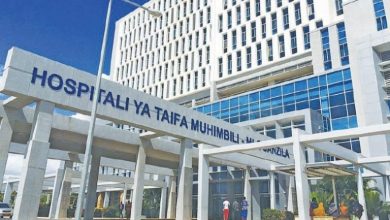
Emergency care cuts deaths by 40 pc in Tanzania
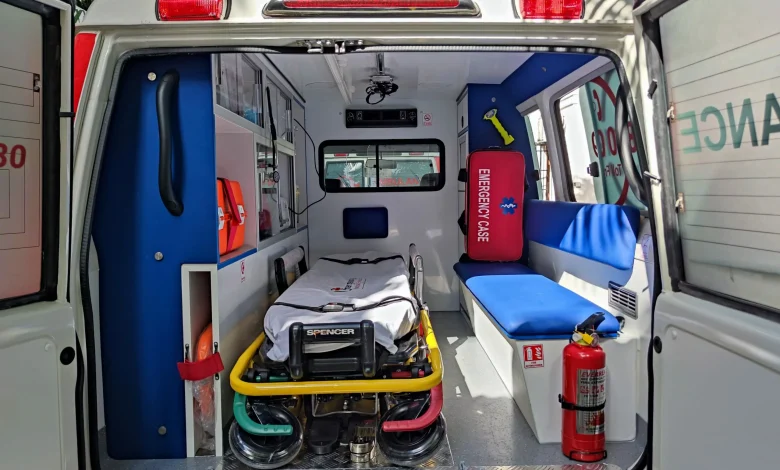
DAR ES SALAAM: TANZANIA emergency medicine sector has reached a pivotal milestone with a reported 40 per cent reduction in patient deaths.
This milestone was attained after the establishment and expansion of emergency services, starting with the country’s first Emergency Department at Muhimbili National Hospital (MNH) in 2010.
Speaking during the commemoration of World Emergency Medicine Day, Deputy Executive Director of MNH – Mloganzila, Dr Julieth Magandi said the achievement is a direct result of strategic investments in emergency healthcare and increased efficiency in service delivery.
“The most significant achievement has been a 40 per cent drop-in mortality rates, accompanied by a notable decline in complaints, particularly those related to service delays. This progress has driven the national scale-up of emergency medical services,” said Dr Magandi.
She said that emergency services have now extended to district hospitals, demonstrating both government commitment and the dedication of health workers across the country.
“Today, emergency care is accessible at the district level. These advancements reflect a collective effort to build a resilient and responsive health system,” she added.
Dr Magandi also praised emergency medical teams for their dedication and urged healthcare professionals to maintain high readiness in the face of rising emergencies, including road traffic accidents, non-communicable diseases, and natural or man-made disasters.
ALSO READ: Free medical services benefit 1,500 residents
She referenced a study conducted at MNH indicating that the presence of emergency departments has reduced deaths by more than 50 per cent, emphasising the life-saving impact of these services.
Head of the Department of Emergency Medicine at MNH, Dr Juma Mfinanga acknowledged the strides made in strengthening emergency healthcare across all levels from national hospitals to primary health facilities.
“We are proud of the remarkable improvements in emergency and trauma services. Since the establishment of the emergency department at MNH, over 100 emergency and accident units have been set up nationwide, all equipped with life-saving equipment,” said Dr Mfinanga.
He commended the Ministry of Health and health sector stakeholders for their continued efforts in expanding emergency services and ensuring they reach the community level.
Acting Deputy ViceChancellor – Academics at Muhimbili University of Health and Allied Sciences (MUHAS), Professor Emmanuel Balandya noted the university’s role in supporting emergency healthcare through education, service delivery, and research.
“MUHAS has collaborated with MNH for over 15 years, training specialists in emergency and trauma care. Our simulation labs, sponsored by the ABBOTT FUND, are equipped with modern tools to provide hands-on training,” said Prof Balandya.
He also announced upcoming plans to introduce a new programme in paediatric emergency medicine, with the curriculum already submitted to the Tanzania Commission for Universities (TCU). If approved, the programme will begin enrolling students later this year.
Acting Director of Medical Services, Dr Faraja Chiwanga applauded the emergency department staff for their professionalism and teamwork in delivering care to critically ill and injured patients.
“Your collaboration and dedication to emergency care have made a significant difference in saving lives. You deserve recognition for the essential role you play in Tanzania’s healthcare system,” she said.