‘Embrace eco-tourism for income, conservation’
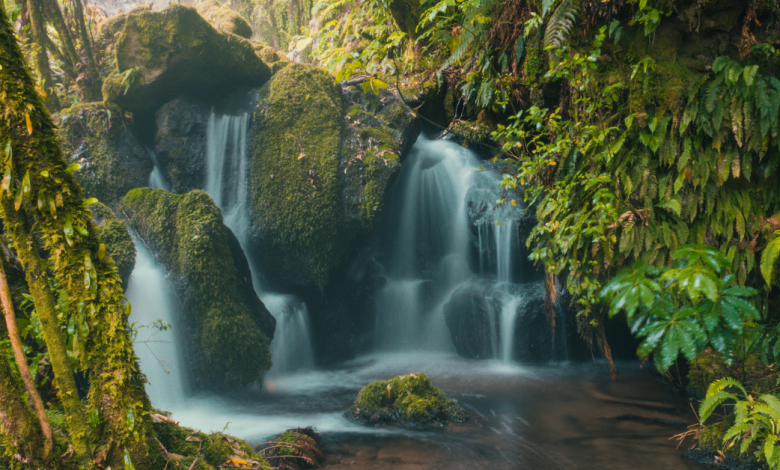
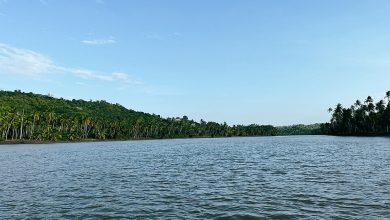
KILIMANJARO: RESIDENTS living within the 60-metre buffer zones near water sources such as rivers have been advised to engage in income-generating activities that do not harm the environment, particularly eco-tourism and conservation-based initiatives.
The call was made recently by Project Manager at the World Wildlife Fund (WWF) Tanzania, Mr Novati Kessy during a visit by environmental and conservation stakeholders to Makoa Farm in Hai District, Kilimanjaro Region.
The farm is known for implementing an integrated conservation and eco-tourism model.
“Eco-tourism and integrated conservation projects are ideal for residents living in buffer zones. These activities not only preserve the environment but also enhance the livelihoods of surrounding communities,” Mr Kessy said.
He said that eco-tourism ventures can be labour-intensive and provide a broad range of job opportunities for local people.
Commending the efforts of Makoa Farm, Mr Kessy noted that the owners have set a strong example of how environmental conservation can be harmonised with economic growth.
“You are a model for communities in similar areas. If others learn from your example, their quality of life can improve while ensuring that protected areas remain vibrant and well-preserved,” he added.
ALSO READ: Tanzania trains 800 operators ahead of tourism season
One of the farm’s cofounders, Dr Elisabeth Stegmeier explained how the land was transformed from conventional farming into a hub for eco-tourism and conservation.
“Before we took stewardship of Makoa Farm, located between the Makoa and Kikafu rivers, it was used primarily for intensive agriculture, which caused soil degradation and biodiversity loss,” she said.
“Through landscape restoration, we’ve increased tree cover, promoted forest regeneration and created a more biodiverse habitat that supports both domestic and wild animals.”
Dr Stegmeier said the farm now serves as a multifunctional space balancing nature conservation, education and tourism.
It has evolved into a centre for impactful activities including veterinary care, wildlife conservation and environmental education.
“Our veterinary clinic offers care for both domestic and wild animals and serves as a training centre for local veterinary officers,” she said.
Makoa Farm also operates the country’s only officially recognised wildlife rescue centre, in partnership with the Tanzania Wildlife Research Institute (TAWIRI).
Plans are underway to establish Tanzania’s first wildlife clinic. To build future generations of environmental stewards, Dr Stegmeier said the farm is actively engaging school children in environmental education.
“Through our NGO, Kilimanjaro Animal C.R.E.W., we also educate youth about forest conservation, biodiversity and provide wildlife rescue training for rangers,” she noted.
The NGO additionally supports authorities in rescuing, rehabilitating and releasing wild animals and is piloting a project that integrates conservation patrols with community-based tourism.