Electric vehicles 85 per cent cheaper to run
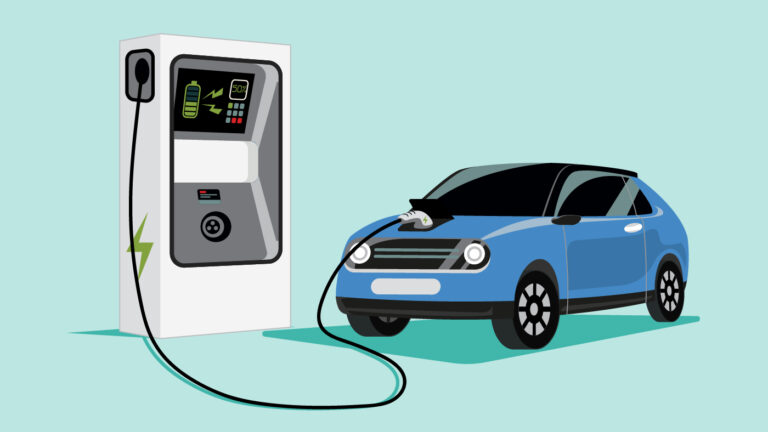
DAR ES SALAAM: DRIVING an electric vehicle (EV) in Tanzania could cost up to 85 per cent less per kilometre compared to petrol or diesel vehicles, as the government steps up efforts to promote clean transport and expand electricity production to support the emerging technology.
Permanent Secretary in the Ministry of Energy, Engineer Felchesmi Mramba, said research shows that operating an electric vehicle cost about 25/- per kilometre, compared to roughly 200 shillings per kilometre for vehicles powered by petrol or diesel.
“The cost difference clearly shows that electric mobility is more affordable and can help citizens reduce transport expenses,” Eng Mramba said.
He made the remarks in Dar es Salaam during the official launch of electric vehicles in Tanzania through DOW ELEF AUTO EV (ZERA) Limited.
Eng Mramba said the government is also expanding electricity generation to meet the anticipated rise in demand as electric vehicles and other modern technologies gain traction in the country.
According to him, Tanzania’s current electricity generation capacity has reached about 4,500 megawatts, placing the country among the leading power producers in East Africa.
The government is now implementing plans to increase electricity production to 8,000 megawatts by 2030, following directives issued by President Samia Suluhu Hassan.
“As directed by the President, we are working to ensure that electricity generation reaches 8,000 megawatts by 2030 so that our country can meet future energy demand and remain competitive in the region,” Eng Mramba said.
He explained that the expansion will support the growing adoption of electric vehicles and other technologies that depend on reliable electricity supply.
To support the rollout of EVs, the government is also planning to establish charging stations across the country to enable longdistance travel.
Eng Mramba said charging infrastructure will be developed in strategic locations so that motorists travelling long distances can recharge their vehicles conveniently along the way.
“For example, if someone travels from Mwanza to Dar es Salaam, they should be able to stop in Nzega and charge their vehicle while taking a meal, then continue to Dodoma and later recharge again in Morogoro,” he explained.
He added that large charging hubs capable of servicing multiple vehicles simultaneously will also be developed, while investors entering the electric mobility sector will be encouraged to install their own charging stations.
The government has already introduced a National Electric Mobility Strategy in 2024 aimed at guiding investment, infrastructure development and job creation within the sector.
Across Africa, more than 30,000 electric vehicles are currently in operation, with East Africa emerging as a growing hub for innovation in electric mobility.
In Tanzania alone, it is estimated that more than 10,000 electric vehicles including motorcycles and other two- and three-wheel transport options are already in use.
Meanwhile, Chief Executive Officer of DOW ELEF AUTO EV (ZERA) Limited, Emmanuel Kazimoto, said the company plans to develop a comprehensive electric mobility ecosystem in the country.
He said the initiative will begin with importing fully built electric vehicles before gradually introducing semi-assembled units and eventually establishing a local vehicle assembly plant in Tanzania.
Mr Kazimoto said that the long-term goal is to support job creation while equipping Tanzanian youth with skills in modern automotive technologies.