ESAFF’s agro-ecology programme benefits 3 million Tanzanian farmers

NAIROBI: THE Eastern and Southern Africa Small Scale Farmers Forum (ESAFF) has said it has reached out to over three million smallholder farmers across Tanzania who practice agro ecology by connecting them to participate in priority-setting, budget and training sessions to address climate change.
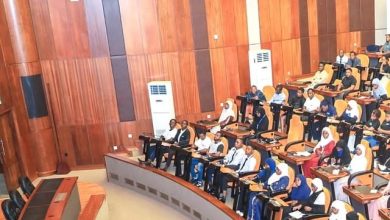
Speaking during a workshop that brought together smallholder farmers, agricultural stakeholders and journalists from the East African region in Nairobi, ESAFF Programme Manager Emanuel Justine said they are collaborating with the Tanzania Farmers’ Network (MVIWATA) to reach out to these farmers.
He said the aim of the workshop is to learn together and look at the challenges in terms of how smallholder farmers work, but the main aim is to look at how they can work with journalists in pushing the climate change agenda and how smallholder farmers can be involved at all levels from the village, national and international levels.
“We are learning how small farmers practice ecological agriculture and how ecological agriculture, if invested in, can be a way to address climate change. We visited one farmer and were able to learn a lot about how he practices ecological agriculture, how he combines different crops, makes fertilizer through manure and from animal and other waste,” he explained.
He said it is important to invest in ecological agriculture to address climate change, so authorities need to be ready to face the reality of the challenges where policy adjustments are needed to support small farmers and all the things that farmers do.
He noted that small farmers produce 80 percent of the food in developed countries, and food produced through ecological agriculture has been in demand, and they have set standards that can be imported into their countries.
“If they discover that the food is produced with drugs or not with agroecology, they return it, so they really need to change their perspective, change their policies, and put it there.
He said farmers participate in priority-setting sessions, budget sessions, and not only at the village level but also at the national level, and they monitor whether their contributions have been able to reach the national budget.
“We are looking more at agroecology, investment in projects related to climate change, but in MVIWATA, groups with SACCOS have capital, lend to each other, and do business together,” he stressed.
In retrospect, the President of Eastern Africa Farmers Federation(EAFF) from Uganda, Elizabeth Msemadala, said that, in the issue of climate change, as farmers, we face the biggest threat of climate change because our agriculture is more than 80 percent dependent on rainfall.
ALSO READ: Tanzania-Kenya agricultural cooperation helps to cope with climate change
She said, but when it comes to resources to help farmers adopt, you realize that the farmers don’t have access to these resources, and the money doesn’t reach where it matters most.
“And so its one of reason that we come together in this campaign of family farmer climate action to have a global voice together united agaista climate change as farmer and this voice would help as in terms of having joint advocacy because the challenge face Africa as same challenge face Asia as long as North America of course the magnitude of problem is differ,” she said.