DSE in 2026: Streams and trip wires to watch
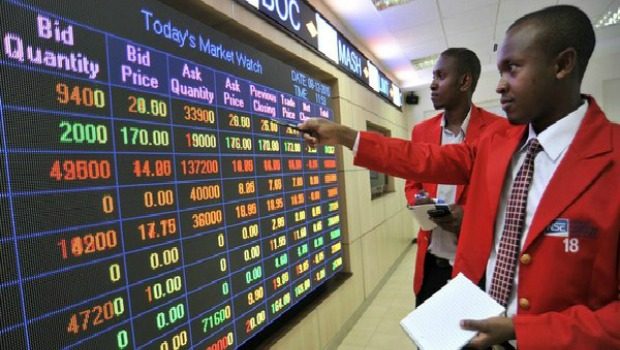
DAR ES SALAAM: AS Tanzanians settle into 2026, the Dar es Salaam Stock Exchange (DSE) stands at an important inflection point.
After several years of gradual deepening, increased retail participation and consistent government presence in the bond market, investors are increasingly asking a forward-looking question: What will drive the market this year, and what could derail it? For market participants, the answer lies in understanding the key “streams” shaping performance and the “trip wires” that could quickly change sentiment. One of the most powerful streams remains the banking sector.
Listed banks continue to dominate market capitalisation, liquidity and investor attention. Earnings performance at institutions such as NMB Bank and CRDB Bank will remain central to market direction.
Credit growth, asset quality and dividend policy will be closely scrutinised, particularly in an environment where interest rate signals and liquidity conditions matter more than ever. Strong bank results have historically buoyed the broader indices, while any deterioration in non-performing loans would quickly ripple across the market. Closely linked to this is the steady role of government securities.
Treasury bonds remain the most actively traded instruments on the DSE, anchoring the domestic yield curve and providing benchmarks for pricing risk.
In 2026, continued issuance to support refinancing and development spending will shape investor behaviour. Stable auction outcomes will reinforce confidence, while unexpected shifts in volumes or yields could signal fiscal or liquidity pressures, acting as an early warning light for the wider capital market.
ALSO READ: Reliable rural transparency in Zanzibar power curtails youth migration – RC Kunenge
A second important stream is market structure reform. Recent enhancements to trading rules, price discovery mechanisms and post-trade processes have improved transparency and alignment with international practice. These changes, though technical, matter deeply to institutional investors, particularly foreign participants who place a premium on predictable market infrastructure.
Further reforms in 2026 could support liquidity and valuations, but abrupt regulatory shifts or unclear guidance could equally unsettle participants. Retail investor participation is another defining feature of the current market cycle. Digital trading platforms and mobile-based access have broadened participation, bringing younger and first-time investors into equities, bonds and exchange traded funds (ETFs).
This growing base adds depth to daily trading and supports demand for dividends. However, it also introduces sensitivity to sentiment. Sudden swings in confidence, driven by rumours or headline events, can amplify short-term volatility, especially in less liquid counters.
Product diversification is emerging as a promising stream. Exchange-traded funds, thematic products and innovative bond structures are slowly expanding the investment menu beyond traditional equities and vanilla bonds. For long-term investors, this diversification supports risk management and encourages a more balanced market. Progress in this area during 2026 would signal maturation of the DSE, while delays could prolong overreliance on a narrow set of instruments.
Beyond these positive streams lie several critical trip wires. Political and policy developments remain the most immediate. Budget announcements, tax changes affecting capital markets, or shifts in public investment priorities can quickly alter investor expectations.
History shows that periods of political uncertainty tend to reduce trading activity as investors adopt a wait-andsee approach. Global economic conditions also pose a significant risk.
Tanzania’s market is not insulated from external shocks. Changes in global interest rates, commodity prices or investor risk appetite can influence foreign participation and capital flows. In a market with relatively limited liquidity, even modest foreign outflows can have outsized effects on prices. Liquidity itself is a persistent structural trip wire.
While participation has broadened, turnover remains concentrated in a handful of stocks and government bonds. Thin trading conditions can exaggerate price movements and complicate exits for large investors. Monitoring daily turnover and market depth will therefore remain essential throughout the year.
Finally, regulatory enforcement and compliance developments deserve attention. Strong oversight supports confidence, but sudden enforcement actions or unclear interpretations of rules can create uncertainty. Predictability, rather than leniency, is what the market values most.
In 2026, success on the DSE will depend less on reacting to daily price movements and more on tracking these underlying streams and trip wires. For investors, brokers and policymakers alike, the message is clear: The foundations of growth are visible, but vigilance remains the price of confidence.