Driving changes through investment knowledge
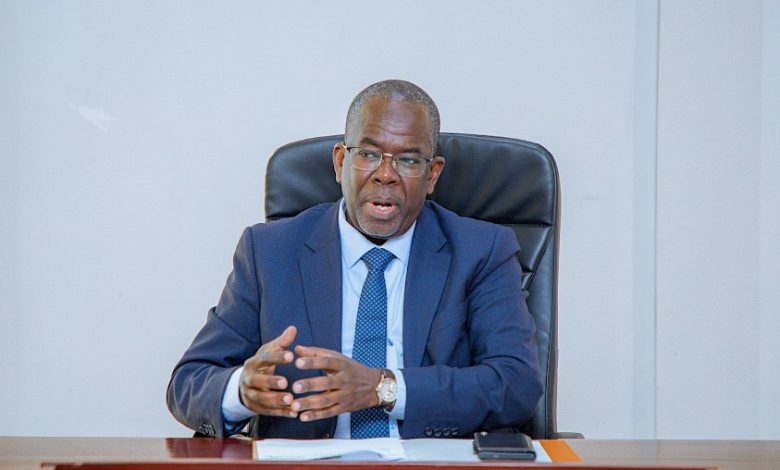
DAR ES SALAAM: LAST week, the Capital Markets and Securities Authority (CMSA), under the leadership of its Chief Executive Officer, Nicodemus Mkama, convened a landmark event that highlighted both the progress achieved and the promising future of Tanzania’s investment landscape.
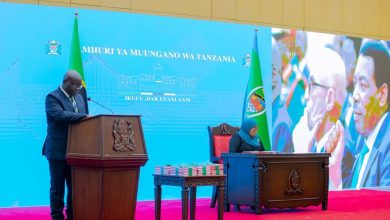
Graced by the Minister for Finance Amb Khamis Mussa Omar, the occasion brought together key stakeholders from across the financial ecosystem under one roof.
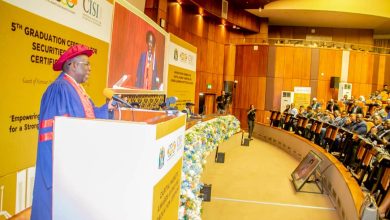
The event served a dual purpose. It featured an awardgiving ceremony for the Capital Market Universities and Higher Learning Institutions Challenge, alongside the 5th graduation ceremony of the Securities Industry Certification Course (SICC), a milestone I am proud to have been part of as one of the graduates. In essence, the day could be captured in one powerful phrase: Recognising Excellence and Professionalism in the Capital Market.
The gathering attracted a wide range of stakeholders, including the Deputy Governor of the Bank of Tanzania, Economic and Financial Policies, Dr Yamungu Kayandabila. The central theme that resonated throughout the event was clear: Enhancing awareness and knowledge of investment opportunities in the capital market. First and foremost, CMSA deserves commendation for the remarkable work it continues to do in executing its core mandate. This is evident in the steady growth of the country’s capital market industry. More specifically, its proactive role in introducing initiatives aimed at increasing public awareness and investment literacy is both timely and impactful.
As a participant in the SICC, I can confidently attest to the value of the programme. It is thoughtfully designed to equip participants with both foundational and advanced knowledge of investments, enabling a broader understanding of capital markets not only at the domestic level but also within a global context. Such initiatives are critical in building a pool of professionals capable of effectively contributing to the development of our national economy.
Equally commendable is the Capital Market Universities and Higher Learning Institutions Challenge. This initiative stands out as a powerful innovation in nurturing a culture of investment among young people. What began a few years ago is now bearing tangible results. During the event, previous winners shared how their prize invested in capital market instruments have grown significantly, some multiplying more than tenfold. This is not just a reward; it is a practical lesson in wealth creation.
One of the most inspiring moments was witnessing the 20 winners of this year’s challenge. What stood out was the diversity of their academic backgrounds, ranging from finance, medicine, actuarial science, environmental studies, to engineering. Yet, when they responded to questions from the judges, their level of understanding and confidence in investment matters was nothing short of impressive. It felt as though they had all formally studied finance. This is a testament to the power of exposure and the effectiveness of welldesigned initiatives.
As I reflected on the event, I was reminded of the concept of “amplifying,” a strategy wellarticulated in the book titled “Flip Thinking” by Berthold Gunster. The idea is simple yet powerful: Focus on what works and do more of it to increase success. In the context of Tanzania’s capital market, this means scaling up initiatives that are already delivering results.
Guided by this thinking, an important question emerges: How can we extend such impactful initiatives beyond universities? What if similar programmes were introduced at the kindergarten, primary and secondary school levels? More importantly, how can we reach out to out-of-school youth, many of whom lack access to financial literacy but represent a significant portion of our population?
ALSO READ: Finance Minister stresses public education to boost capital market participation
There is no doubt that expanding such efforts would have a transformative impact. A financially literate population is better equipped to make informed investment decisions, understand available financial products and align investments with personal and national development goals.
As we look ahead, one thing is clear: The Journey toward a financially empowered Tanzania cannot be walked by CMSA alone. It requires a collective effort from all stakeholders in the capital market ecosystem. When financial literacy increases, the benefits are shared across the board, from regulators and institutions to individual investors and the broader economy. And perhaps that is the true essence of progress, growing together, informed and empowered.