COLOMN: NEW THINKING. Can Tanzania leverage China’s zero-tariff for growth?
The global trade landscape is undergoing significant changes, and the African Growth and Opportunity Act (AGOA), a crucial support mechanism for many African economies, is also being impacted.
Founded in 2000, AGOA has provided preferential access to the US market for eligible sub-Saharan African countries, allowing the export of around 2,000 products without tariffs. This initiative has been a fundamental component of US-Africa trade policy for 25 years since its establishment.
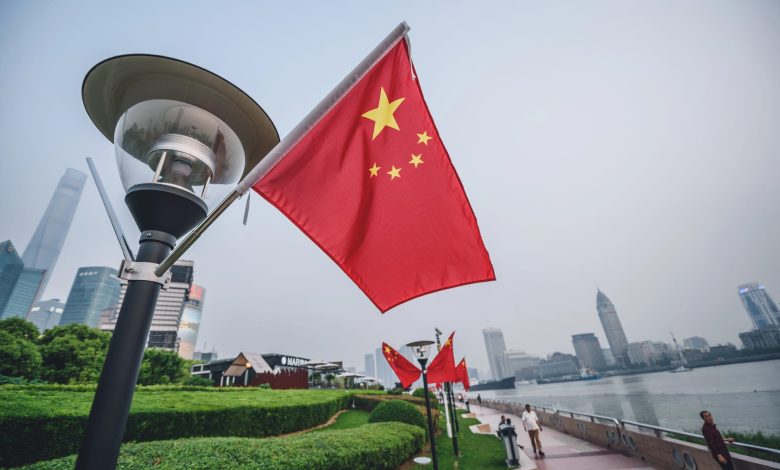
The recent announcement of China’s zero-tariff policy for Least Developed Countries (LDCs), effective as of 1 December 2024, which includes 33 African nations, presents a significant opportunity for Tanzania amid its existing challenges.
China is implementing zero-tariff policies for various products originating from LDCs, including Tanzania. This occurs during a period characterised by increasing global trade tensions, particularly between the US and China, as well as the EU and China.
Countries in the Global South, such as Tanzania, are actively seeking new export markets, while supply chains are undergoing transformations driven by de-risking, nearshoring and friend shoring strategies. When viewed collectively, this reveals a strategic opportunity for the country.
China’s zero-tariff policy offers duty-free access to 98 per cent of LDC goods—giving Tanzania a chance to boost exports of its diverse products, from agriculture to minerals and manufactured goods, while enhancing competitiveness and reducing reliance on traditional markets.
ALSO READ: COLOMN: THE AGRARIAN QUEST. How do we create a new army of youth farmers
Tanzania’s zero-tariff access to China enhances its appeal to Chinese firms seeking to relocate production, form joint ventures, or invest in agro-processing.
By establishing local hubs, investors can tap into duty-free exports, utilise local raw materials, transfer technology, create jobs, and drive value addition in sectors like agro-processing, textiles, and mining.
This policy shift occurs at a pivotal moment, as President Samia Suluhu Hassan’s vision for economic liberalisation aims to enhance production for domestic use and export markets. The president’s receipt of dividends from public enterprises via Treasury Register (TR), which oversees these institutions, underscores a distinct vision.
Tanzania, due to its advantageous location, has the potential to effectively leverage China’s zero-tariff initiative to enhance its economic landscape and fortify domestic markets.
A successful outcome relies on strong alignment between policies and investment strategies that effectively utilise the trade advantages presented by China, building upon our longstanding historical relationship established by our founding father, Mwalimu Julius Nyerere. The opportunity for export growth extends beyond being merely an economic benefit.
This signifies Tanzania’s potential to cultivate a dynamic and robust economy capable of sustained operation. At the heart of fostering an open economy is the capacity to sustain ongoing production that meets both domestic and global demand.
This entails a focused effort on enhancing the country’s agricultural sector, promoting crop diversification, and directing resources towards value-added activities in all areas where Tanzania has a comparative advantage. Key commodities, such as sisal, cashew nuts, and essential minerals, as well as various fruits like avocado and papaya, demonstrate substantial export potential and require increased investment in processing facilities.
Transforming raw agricultural inputs into finished products such as instant coffee, fruit juices, and oils allows Tanzania to meet local consumer demands while also gaining access to the zero-tariff Chinese market. Achieving this vision requires preserving the existing peace and tranquility in the country, facilitated by the strategic leadership of Dr Samia.
ALSO READ: COLUMN: WEEKLY INVESTMENT TALK. An overview of new DSE trading rules
Her vision is based on the collaborative efforts of her predecessors, emphasising the interplay between government entities, local farmers, cooperatives, and agribusinesses.
Developing training programmes and skills development initiatives aimed at empowering young individuals and enhancing human capital, in line with the2025/26 timeline and as outlined in the 2025 CCM election manifesto, while integrating best practices in production and processing, will allow local farmers to meet both domestic and international quality standards.
Furthermore, establishing a streamlined supply chain that integrates all components from farms to processing facilities and distribution networks is essential for minimizing post-harvest losses and enhancing overall efficiency. Infrastructure development plays a crucial role in fostering a strong and growing economy.
Tanzania should focus on enhancing its transportation networks, storage facilities, and energy supply systems, which are vital for continuous production and distribution, ultimately generating job opportunities.
Reliable road infrastructure and stable energy supplies are vital for ensuring uninterrupted operations in agriculture, manufacturing, and transport. Government initiatives aimed at constructing modern logistical hubs near major ports and urban centres have the potential to enhance trade efficiency significantly.
This is particularly pertinent given the government’s intention, as outlined in its 2025/26 national budget, to boost private sector involvement, which is regarded as a vital driver of economic growth. Enhancing market access, both locally and globally, positions Tanzania to boost domestic consumption and enhance its appeal as a preferred export destination, ultimately drawing foreign exchange into the country.
Furthermore, ongoing collaborations with China may enhance infrastructure investment through initiatives like the Belt and Road Initiative.
This initiative outlines a strategic approach to developing essential infrastructure projects, including roads, railways, and ports, which have the potential to enhance Tanzania’s trade capabilities significantly. Joint initiatives can lead to energy development projects that energise factories, boost production capacity, and advance progress in digital technology and communications, promoting increased operational efficiency while reducing production costs.
The opening of the Tanzanian economy is closely tied to the development of a vibrant entrepreneurial culture, which involves nurturing the growth of small and medium-sized enterprises (SMEs). This approach can allow Tanzania to diversify its economic structure, stimulate innovation, and foster an inclusive economy.
Creating an environment that promotes entrepreneurship requires access to financing, the establishment of mentorship programs, and the reduction of regulatory barriers. The establishment of special economic zones (SEZs) has the potential to attract investment and enhance production through the provision of tax incentives and streamlined operational procedures, strategies that are effectively integrated into the national plan for 2025/26.
Supporting SMEs, fostering innovation, and promoting a strong tax culture are key to building a resilient, sustainable economy.
Equally important is preparing the workforce through targeted education and vocational training aligned with market needs—especially in fast-growing sectors like manufacturing and technology. In conclusion, as the country navigates the challenges brought about by a shifting global trade landscape, influenced by the decline of AGOA, there is significant potential to cultivate prosperous opportunities in alternative sectors and emerging markets.
ALSO READ: Equity investing: What every investor should know, the NICOL story
In the context of global trade conflicts, China’s zero tariff policy presents Tanzania with a unique opportunity to enhance its export capabilities, attract export-focused foreign direct investment, integrate into global value chains, strengthen its fiscal foundation, and position itself as a key trade ally.
To maximise the benefits, Tanzania must invest in industrial capacity, logistics infrastructure, and export promotion agencies and ensure compliance with product quality standards.
Capitalising on these opportunities will enable Tanzania to sustain its resilience against global trade challenges while paving the way for sustainable growth and prosperity in the future.