Champion sustainable farming, researchers told
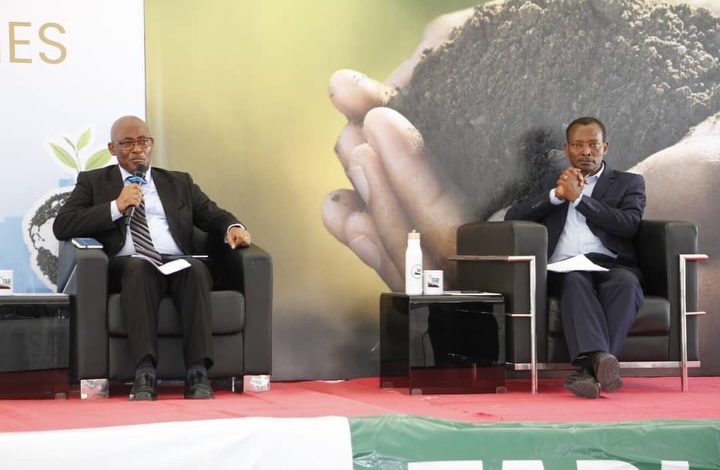
DODOMA: RESEARCHERS in the country have been urged to ensure that their scientific findings translate into practical solutions that directly benefit citizens, particularly in tackling land and soil degradation and supporting the restoration of degraded areas.
Deputy Permanent Secretary in the Vice-President’s Office (Environment), Prof Peter Msoffe, made the call on behalf of Permanent Secretary, Eng Cyprian Luhemeja, during the national commemoration of World Soil Day held on Wednesday at the Nane Nane grounds in Dodoma.
Prof Msoffe said that sustainable farming practices must be at the centre of agricultural research if the country is to protect its soils, boost productivity and safeguard the environment for future generations.
“To enhance productivity in the agriculture sector, we must promote farming methods that conserve soil, reduce land degradation and protect ecosystems. Researchers have a key role in generating solutions that farmers can apply on the ground,” he said.
Presenting a paper during a panel discussion at the event, Prof Msoffe noted that the Vice-President’s Office, which is mandated to coordinate and oversee environmental management in the country, will continue to formulate and enforce robust policies, laws, regulations, strategies and programmes aimed at ensuring a safe, clean and healthy environment.
He stressed that soil health is fundamental to environmental conservation and sustainable development, insisting that it is impossible to meaningfully discuss environmental protection without addressing the condition of the soil.
“Soil is the foundation of food security, biodiversity, water regulation and climate resilience. When soil is degraded, the entire environment suffers, including human well-being and economic growth,” he said.
ALSO READ: Tanzania pioneers Bio-Based inputs drive for organic farming in Africa
Prof Msoffe further warned that climate change, if not properly managed, continues to worsen soil erosion, nutrient loss and land degradation through prolonged droughts, floods and unsustainable land-use practices.
He therefore called for stronger collaboration between researchers, policymakers, extension officers, farmers and the private sector to promote climatesmart agriculture and sustainable land management.
He commended the Tanzania Agricultural Research Institute (TARI) for ensuring that environmental conservation and management were central to this year’s World Soil Day discussions, noting that the institute has been instrumental in advancing research on soil fertility, crop resilience and sustainable farming technologies.
“This kind of collaboration between researchers, government institutions and stakeholders is essential if we are to find lasting solutions to the challenges facing our soils,” he added.
This year’s commemoration, organised by TARI in collaboration with various stakeholders, was held under the theme “Healthy Soil for Thriving Cities,” highlighting the growing link between soil health, food systems, urban development and environmental sustainability.
To offer the public an opportunity to expand their knowledge on soil health, the event featured a panel discussion in which Prof Msoffe was among the speakers, focusing on environmental conservation and the impact of climate change on soil health.
Experts discussed issues such as soil fertility management, waste recycling, urban agriculture, erosion control and the need for increased public awareness on sustainable land use.
Participants at the event were also reminded that protecting soil is not only the responsibility of scientists and farmers, but a shared duty involving communities, institutions and development partners, as the country strives to achieve food security, environmental protection and sustainable economic growth.