Budget ceiling hits 50.2tri/-
DODOMA: THE budget ceiling for the 2024/2025 financial year has increased from 49.346tri/- to approximately 50.191tri/- the National Assembly has been informed This adjustment is due to additional budget support from Development Partners (DPs) that was not included in the main estimates.
This latest move led the Parliamentary Budget Committee to recommend that the government presents a supplementary.
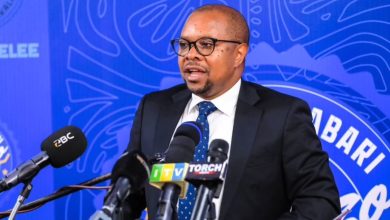
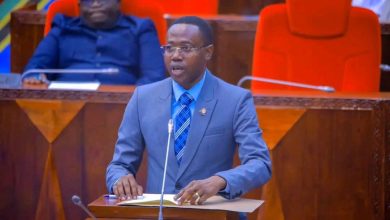
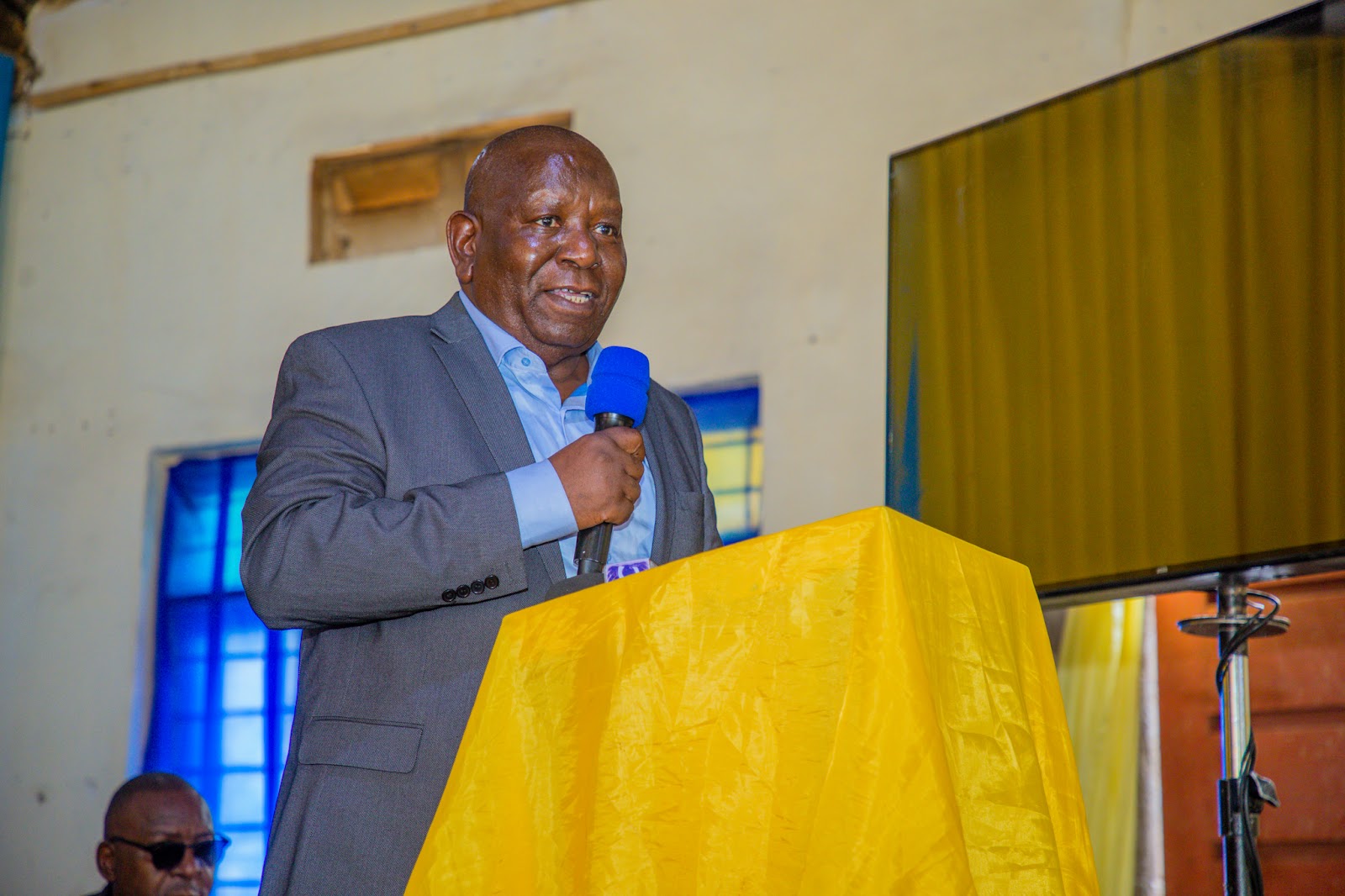
Parliamentary Budget Committee Chairperson, Mr Oran Njeza, made the recommendation during the presentation of the committee’s 2024 implementation report in the National Assembly yesterday.
According to Mr Njeza, by December 2024, the government had already received 460bn/- from the African Development Bank (AfDB) and about 130bn/- from the International Monetary Fund (IMF).
He said another 256bn/- was expected from the IMF. These funds were not included in the original 2024/2025 budget, which was unanimously approved by all legislators.
“As a result of these new developments, the government proposes increasing the 2024/2025 budget ceiling from 49.346tri/- to 50.191tri/- ,” Mr Njeza informed the house.
Mr Njeza praised President Samia Suluhu Hassan for her tireless efforts to secure financial support from various stakeholders.
ALSO READ: Development partners commit 1.9bn/- to improve Bugando hospital laboratory
The committee’s analysis revealed that a significant portion of the funds 492.424bn/-, representing 58.22 per cent had been allocated to recurrent expenditures, while the remaining 353.295bn/- which is 41.78 per cent, was directed towards development expenditures.
“Therefore, the committee advises the government to present a supplementary estimate or statement of excess, as provided for under Article 137(3) of the Constitution and Section 43 of the Budget Act,” Mr Njeza added.
The constitution allows for supplementary estimates to be presented before the National Assembly if funds allocated in the Appropriation Act for a certain purpose are insufficient, or if there is a need for additional expenditure.
Upon approval, a supplementary Appropriation Bill would be introduced to authorise the release of funds from the government’s Consolidated Fund to cover the costs of the supplementary activities.
In the second-quarter analysis of the 2024/2025 budget implementation, the committee found that 898.5bn/-, allocated for Other Charges (OC) and another 984.4bn/-, allocated for development budgets for Ministries, Departments and Parastatals, had been reallocated to other votes without following the provisions of the Budget Act.
“The law is clear: reallocations from one vote should not exceed the allocated amount for that vote. However, we found that in some cases, reallocations exceeded 100 per cent of the allocated funds,” Mr Njeza explained.
For example, the Treasury Registrar’s vote was allocated 36.5bn/-, but the reallocation amounted to 115.5bn/- — equivalent to 316 per cent of the original allocation.
“The committee advises the government to ensure that reallocations comply with the relevant laws and regulations. We urge accounting officers to prioritise essential activities in budget allocations to avoid negatively affecting budget implementation,” Mr Njeza said.