Body parts that do not grow after birth
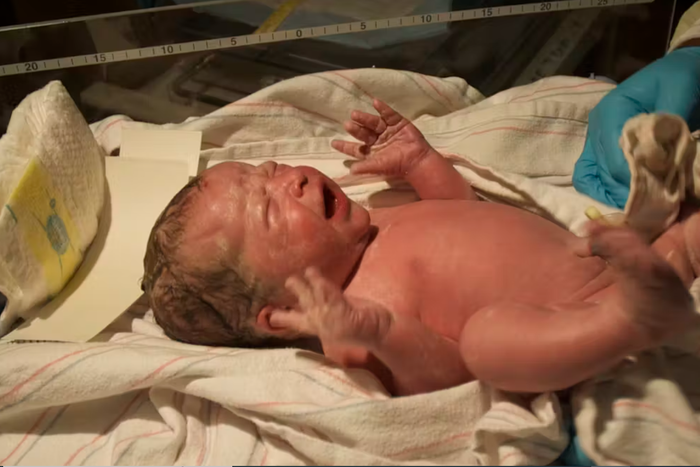
DAR ES SALAAM: THERE are a few body parts that remain the same size from the moment we’re born until the end of our lives.
The human body is an incredible structure of balance, precision, and evolution. While most parts grow and change, a few are built to last from day one.
From the moment we’re born, organs, bones, muscles, and tissues begin to develop at different rates.
Some parts grow rapidly, like the brain during the first few years of life, while others grow gradually, continuing to change well into adulthood.
However, not every part of the human body follows this growth pattern. Interestingly, there are a few body parts that remain the same size from the moment we’re born until the end of our lives.
These parts are either fully developed before or at birth and do not change in size thereafter.
In this article, we’ll explore five unique body parts that do not grow after birth, and the fascinating reasons why.
Ossicles (Middle Ear Bones) The ossicles are the smallest bones in the human body, and they’re the first to reach their full size before birth.
They are found in the middle ear, and the ossicles are composed of three tiny bones: the malleus (hammer), incus (anvil), and stapes (stirrup).
These bones are crucial for hearing as they transmit sound vibrations from the eardrum to the inner ear.
At only about 3 millimetres in size, these bones are fully formed while the baby is still in the womb. After birth, they do not grow any further.
There’s simply no space for them to expand, and any abnormal growth can lead to hearing problems.
ALSO READ: Tanzania’s Health Minister elected to serve regional health body
Without properly functioning ossicles, sound transmission is impaired, making them vital to our sense of hearing throughout life.
Eyeballs You might be surprised to learn that your eyeballs have stayed the same size since the day you were born.
Unlike other organs, which grow significantly, the eyeballs remain roughly the same size, about 24 millimetres in diameter, for your entire life.
This is why newborn babies appear to have larger eyes in proportion to their heads.
As the rest of the face grows, the eyes maintain their original size, eventually appearing more proportionate in adulthood.
Though their size stays constant, the function of the eyes can change with age due to other factors like weakening muscles or lens changes.