

Early learning shapes Tanzania’s future
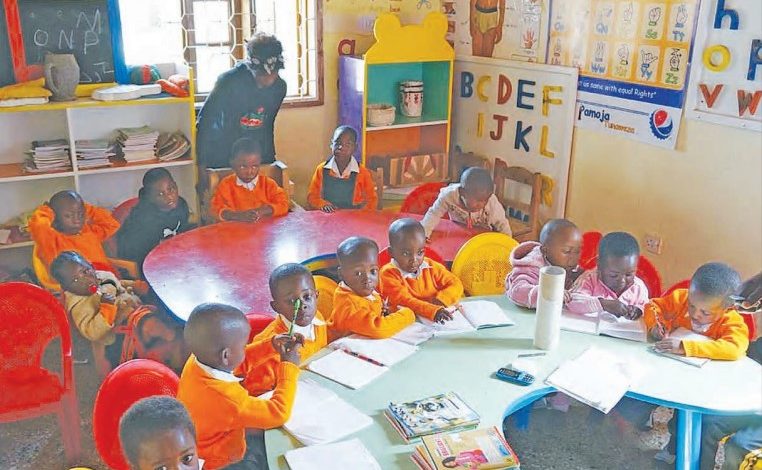
WHEN young children walk into their preschool classrooms each morning, they are not just finding fun and friends, they are simply entering a critical stage of development that will shape their futures in ways they can’t yet imagine.
Experts agree: the early years of a child’s life from birth to age 8 are more than just a prelude to school.
They form the foundation for learning, behaviour and health that lasts a lifetime. Studies show that the first eight years of life are the most significant for brain development, with 90 per cent of brain growth occurring during this period.
Neuroscience backs this up.
During the first few years of life, over one million new neural connections form every second. These connections are shaped by experiences positive or negative which is why quality early learning is so vital.
More than ABCs and 123s
While early education often conjures images of alphabet charts and colourful counting games, it goes far beyond academics.
“In early childhood programmes, children learn how to communicate, manage emotions and solve problems with their peers,” Babati ward Education Officer, Mr Wilhelmon Mayo says.
What is the status in Babati?
“In Babati district in Manyara Region, the importance of early childhood education is starting to gain momentum. For years, rural communities like those in the region have faced barriers to quality education, with many children arriving at primary school without the foundational skills they need. But things are changing,” he adds.
Local schools, supported by government and nongovernmental organisations (NGOs), are offering more early learning programmes aimed at children aged 3 to 6.
These programmes focus on more than just academics; they promote social skills, creativity, emotional wellbeing and basic numeracy and literacy. In promoting early learning for the children aged 0-8.
Tanzania is executing the National Multisector Early Childhood Development Programme (NMECDP) 2021/22 – 2025/26.
NMECDP objectives particularly in early learning are in line with the Law of the Child Act 2009 (revised in 2019)which emphasises the importance of providing children with a nurturing environment that supports their development and well-being.
ALSO READ: How private sector inks renewable energy
During monitoring conducted by education stakeholders to assess community accountability in the early childhood development, especially early learning opportunities in the district, it was observed that there has been growing awareness within local communities about the importance of early childhood education.
This is reflected in the increasing number of Daycare centres and presence of pre-primary classes in nearly every government primary school in the district.
According to Mr Mayo, a ward education officer, every primary school in his ward now offers pre-primary education designed to provide foundational skills necessary for children before they enter primary education.
“Early learning is the cornerstone of a child’s academic journey,” he says.
“We have ensured that all schools in our ward have the capacity to offer this crucial first step.”
However, despite the community’s awareness on the significance of early learning, follow-up assessments made by the education stakeholder in the district in collaboration with district authority and HakiElimu revealed that both childcare centres and pre-primary classes face several challenges including a shortage of trained teachers, lack of learning materials and inadequate infrastructure classrooms, insufficient toilets and a lack of essential play materials. In addressing this matter, Hemedi Rajabu who is a Babati resident calls for greater investment in early learning including improving infrastructure and supplying adequate teaching and learning materials.
Mr Rajabu says “Now we are aware of the importance of early learning, but more effort needs to be made to meet the growing demand. Every child deserves the best possible start.”
He adds that several schools lack adequate classrooms, proper sanitation facilities and essential play materials that support a holistic learning experience.
“Some of the Day Cares and Pre-primary schools have no child-friendly toilets and limited outdoor space for play,” he stresses.
Despite the existing infrastructure challenges facing pre-primary schools and daycare centres, survey indicates that some daycare centres in various areas operate without adhering to government guidelines for their establishment and management.
This situation made the government to remind owners and operators of daycare centres to comply with the established procedures, regulations and guidelines governing the establishment and running of such facilities.
Speaking after a special monitoring and evaluation visit to assess the delivery of early childhood and development services in Kigoma Region last week the Coordinator of Early Childhood Development at the President’s Office – Regional Administration and Local Government (TAMISEMI), Mr Shabani Muhali, urged the daycare owners to comply with the operating guidelines.
Speaking on behalf of a special evaluation and monitoring team from the President’s Office – TAMISEMI, Mr Shabani said that the team had identified numerous shortcomings.
These included caregivers lacking appropriate knowledge in childcare and some centres operating without official guidance documents, commonly known as caregiver manuals.
According to him, the team has already inspected various daycare centres in Kakonko and Kasulu districts and is continuing its monitoring and evaluation tour in Mbeya Region.




129252 718061For anybody who is interested in enviromentally friendly issues, may well possibly surprise for you the crooks to maintain in mind that and earn under a holder merely because kind dissolved acquire various liters to critical oil to make. daily deal livingsocial discount baltimore washington 508533