Agri experts optimistic FSR project will boost production in Zanzibar
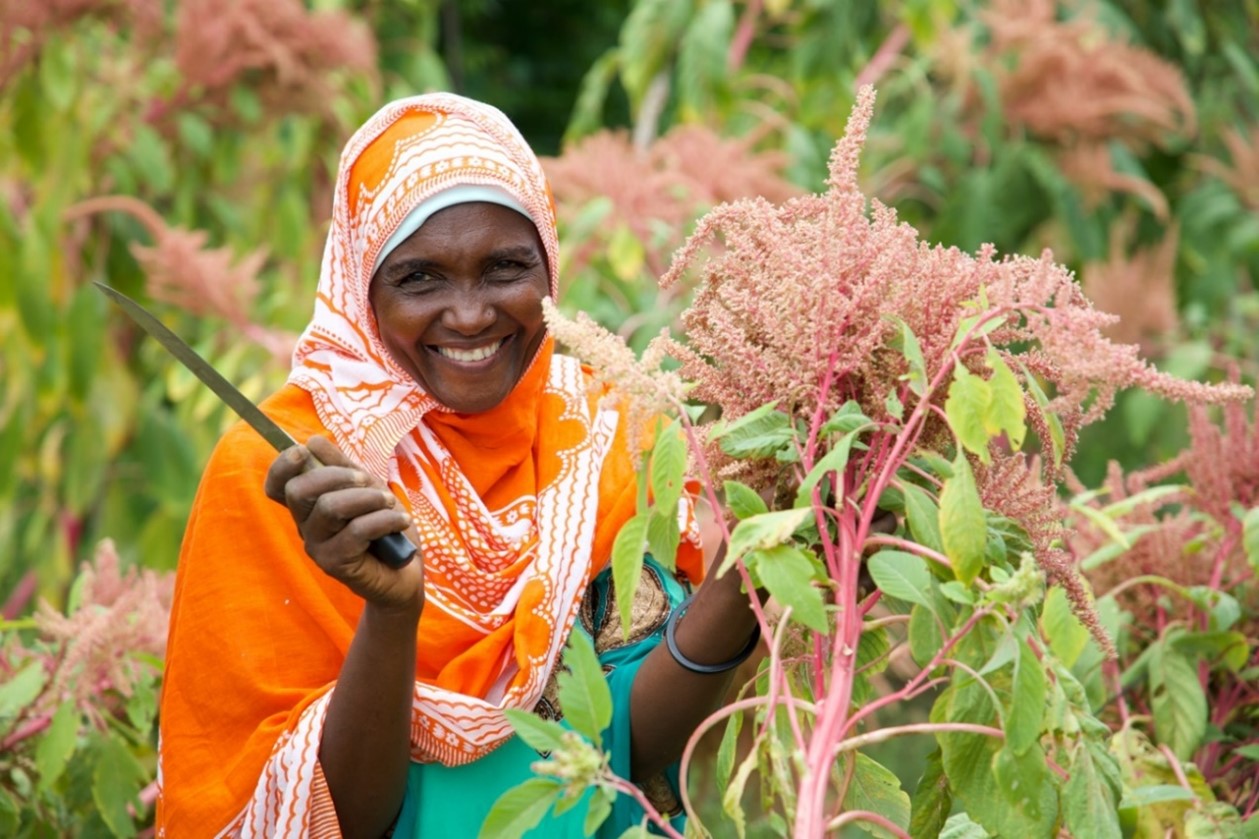
ZANZIBAR: FARMERS in Zanzibar have been urged to use good agricultural practices through the ‘Tanzania Food Systems Resilience Project’ (TFSRP) to boost production.
The Coordinator of the Food Systems Resilience Project in Tanzania – Zanzibar Chapter, Mr Sihaba Haji Vuai Kidume said the project is expected to empower farmers to increase production.
He made the observation after he led a team of experts including the project’s Steering Committee and officers from the Zanzibar Ministry of Agriculture, Irrigation, Natural Resources and Livestock to visit Cheju farming fields to assess and make analysis to pave way for the project implementation.
The TFSRP, supported by the World bank, aims to support food systems resilience by strengthening agricultural service delivery, the adoption of climate resilient technologies, and fiscal performance in the agricultural sector.
ALSO READ: Govt advocates biotech to boost agriculture
Mr Vuai explained that the objective of the visit to Cheju was to enable the Steering Committee members and representatives from the Ministry to learn how the project can be implemented in various areas and to take swift measures for the rehabilitation of irrigation infrastructure.
He highlighted other areas requiring renovation, including agricultural research laboratories in Unguja and Pemba, owned by the Zanzibar Agricultural Research Institute (ZARI), farmer centres in irrigation fields and the refurbishment of seed storage warehouses.
Further, the coordinator outlined that the project focuses on three main areas: providing farmers with agricultural education services; conducting research to obtain drought and disease-resistant quality seeds and enhancing seed production services.
“Through this project, the government of Zanzibar aims to uplift farmers by developing robust infrastructure to support their economic activities and production. The visit allowed the committee members to recognise the importance of rehabilitating this infrastructure,” Mr Sihaba said.
Speaking on behalf of fellow farmers, Mr Ramadhan Salum Othman commended the project’s Steering Committee members for visiting them at their farming field, and witnessing firsthand the infrastructure in need of renovation, as outlined in the project’s irrigation infrastructure plan.
During the visit, the committee toured three key areas – Mwera Kichaka Mabundi, Cheju and Bambi – where TFSRP began in 2023. The project, funded by the World Bank (WB), is expected to conclude in 2028 at a cost of 15 million US dollar (about 36.1bn/-).