Mpango calls for regional cooperation in conserving resources
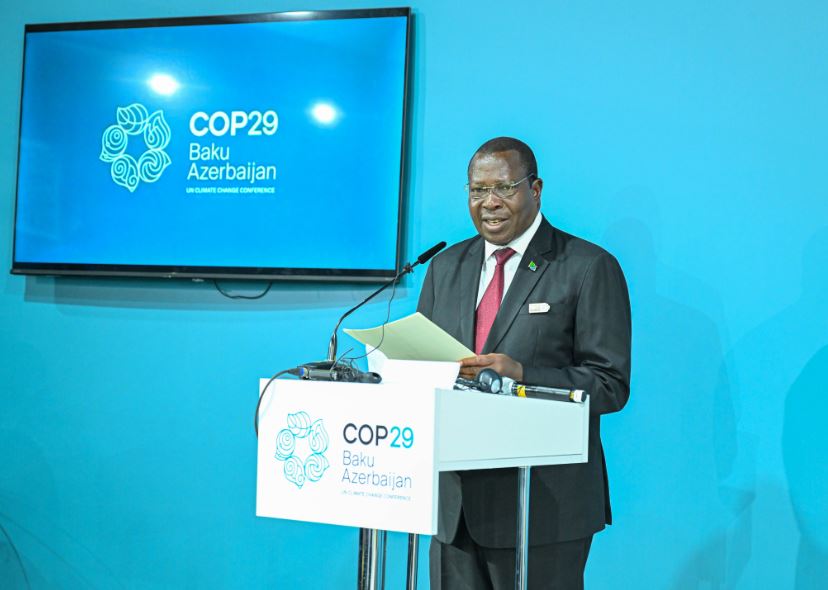
BAKU, AZERBAIJAN: VICE-PRESIDENT Dr Philip Mpango has urged African nations to prioritise regional cooperation in conserving the continent’s green resources, including forests, strategic minerals and clean energy sources.
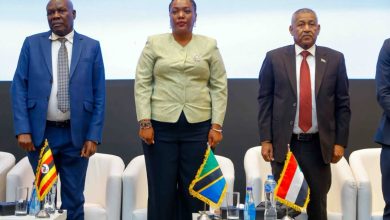
Speaking at the African Heads of State and Government Summit on “Measuring the Green Wealth of Africa,” held on the sidelines of the World Leaders’ Summit of the 29th Conference of the Parties (COP29) in Baku, Azerbaijan yesterday, Dr Mpango highlighted the interconnected nature of Africa’s natural resources.
He said the resources often extend beyond national borders, making collaborative efforts essential for sustainable management.
Dr Mpango called on African nations to adopt policies that promote sustainable use and investment in green resources, pointing out that Africa’s growing carbon market presents significant economic opportunities.
“African countries must intensify monitoring systems for carbon emissions to benefit from the global carbon market, which is now valued at approximately 900 billion US dollars,” he said.
He added: “By strengthening carbon tracking, African nations could unlock new revenue streams through carbon trading, thus contributing to national incomes,” The Vice President said there was a need for African countries to advocate for the recognition of green resources as vital components of their national economies in global forums.
“Despite Tanzania’s wealth of green resources and strategic minerals, which play a critical role in biodiversity conservation, carbon sequestration and soil fertility, these assets remain unaccounted for in the country’s gross domestic product,” Dr Mpango said.
Dr Mpango highlighted Tanzania’s ongoing investments in renewable energy, including geothermal, solar and wind projects to address this.
The summit brought together African leaders, environmental stakeholders and representatives from the African Development Bank (AfDB), all of whom pledged to intensify efforts to safeguard Africa’s green resources.
African leaders are calling for a paradigm shift in measuring economic progress, advocating for the inclusion of the continent’s vast natural capital in GDP calculations.
In a communique adopted after the Summit, they emphasised the invaluable contribution of Africa’s forests to global sustainability, including their role in carbon sequestration, pollution control and water and soil conservation.
The VP further said Tanzania is committed to fostering partnerships and innovative solutions that address both climate change and economic resilience for future generations.
In another event, Dr Mpango has advocated for climate justice by directing project funding towards Indigenous communities, recognising their unique knowledge and resilience in the face of climate change. He argued that these communities, often disproportionately affected by climate change, possess the knowledge and solutions to build resilience.
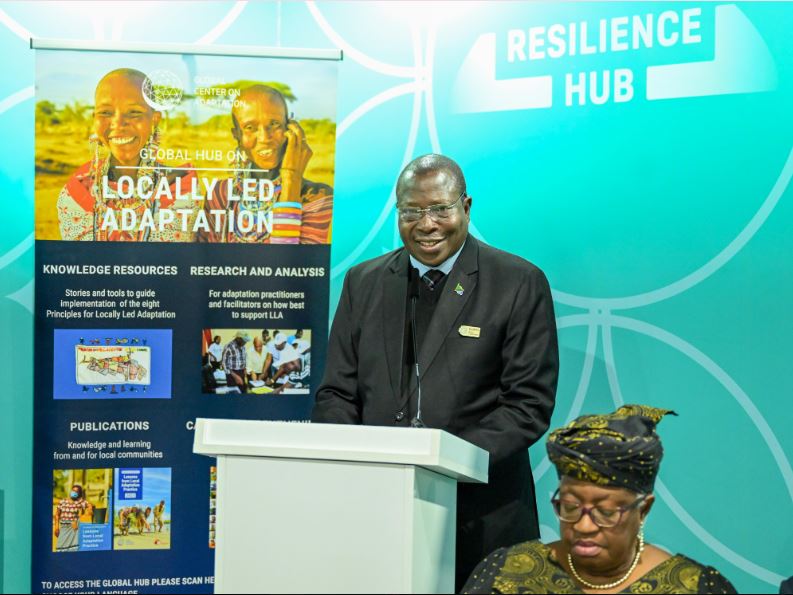
Dr Mpango made the remarks at a prestigious ceremony recognising winners of innovative climate adaptation projects initiated by indigenous communities worldwide.
The event held on the sideline of the 29th Conference of the Parties to the United Nations Framework Convention on Climate Change (COP-29) in Baku, Azerbaijan, was organised by the Global Centre on Adaptation (GCA).
ALSO READ: Mpango calls for regional cooperation in conserving resources
During his address, Dr Mpango who was representing President Samia Suluhu Hassan, highlighted the critical role that indigenous communities play in climate adaptation, urging global leaders to empower local innovators.
“Leaders must recognise and empower Indigenous community innovators whose projects address the unique climate challenges they face,” he said, stressing the importance of supporting grassroots initiatives.
He also called on communities to continue pioneering innovative projects to counter the adverse effects of climate change.
Further, Dr Mpango encouraged the GCA to broaden the scope of its adaptation award programme, ensuring it reaches a greater number of innovators, including those in the blue economy sector.
This expanded focus, he suggested, would support individuals and communities directly affected by climate impacts, such as rising sea levels and coastal erosion, issues that threaten livelihoods, especially for coastal populations.
The Vice President cited Tanzania’s coastal communities, specifically women in Zanzibar, as examples of effective adaptation strategies.
He said that many of these women, who previously depended on rice farming, have shifted to seaweed cultivation and cage fish farming, activities adapted to the region’s rising sea levels and saltwater intrusion. These efforts, he noted, reflect the adaptability of local communities to changing environmental conditions.
The GCA awarded four innovative projects in food security, local entrepreneurship, water security and climate adaptation strategies.
Winners hailed from Burkina Faso, Indonesia, Argentina and Kiribati.
President Samia served as one of the judges for the global awards, underscoring Tanzania’s commitment to addressing climate adaptation and environmental sustainability.