NCMC, stakeholders unite to tackle carbon project challenges
DODOMA: Tanzania is expecting to move a motion at the United Nations (UN) session in June next year on reviewing the methodologies used to implement carbon projects, after stakeholders raised concerns that tightened rules may hamper revenues in the emerging subsector.
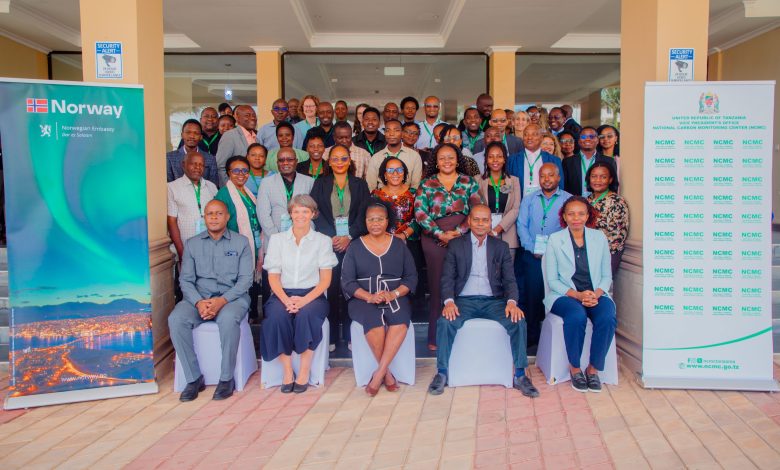
Stakeholders convened in Dodoma for Tanzania Climate Week 2026, organized by the Norwegian Embassy in collaboration with the National Carbon Monitoring Centre (NCMC) have raised various challenges surrounding Article 6 of the Paris Agreement.
They said due to a stricter framework, a project initially projected to produce, say, 10 tonnes of carbon credits would drop to around four or six tonnes.
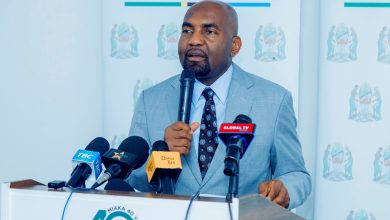
With stakeholders raising challenges over the execution of such projects, NCMC’s Director of Legal Services, Ms Risper Koyi, said that before going to the UN, the centre expects to collaborate with carbon project investors and developers in the country to identify and specify where challenges arise under the recently introduced standards.
“After doing that, we will present them during various reviews in United Nations sessions held with all member countries. When we present it there, we present it as a proposal/motion, and once we present it as a motion, then it is debated,” she said during an interview with journalists in the capital.
Since such rules apply to all countries implementing carbon projects, she said, Tanzania will also look for other countries that have brought similar motions so they can join forces to push the agenda.
“We will pursue that motion, and we will bring it in collaboration with our fellow project developers. And other countries I am quite sure will come with that exact same motion because project implementation in carbon trading aligns all over the world,” she said.
According to her, the government, through the NCMC, is ready to work with project developers to unlock the bottlenecks hindering Tanzania from making progress and positioning the carbon sector as a transformative driver of the country’s economy.
“The engine of implementing carbon trading is the private sector. The government is there to create the investment environment, not to be the implementers,” she insisted.
For her part, the director of the Association of Carbon Traders in the country, Ms. Rehema Mbalamwezi, said that for Tanzania to be in a good position to exploit opportunities in the carbon market under the National Development Vision (Dira 2050), collaboration between private institutions and the government to expand the market is vital.
“In truth, in the carbon market PPP is important, and there are many projects involving private institutions and the government. For example, there are projects involving forestries under the Tanzania Forest Services (TFS) and a private carbon developer in conserving those forests and generating these carbon credits that bring benefits to the community and to the government as well,” she said.
Meanwhile, Carbon Tanzania’s Chief Executive Officer said that the carbon market—especially the voluntary market—has changed recently, and acknowledged that the NCMC has been listening to stakeholders and offering support to help overcome emerging challenges in the sector.
“We are working together with the Ministry of Finance as well, to look at how best we can work out revenue shares and how these revenues can be put into communities, into districts, also to be shared with the NCMC and the TRA, but to also ensure that the carbon developers remain with enough funding to be able to continue to develop and to grow these projects across Tanzania,” the CEO explained.
The CEO added that through carbon credit trading, stakeholders are able to channel significant revenue back into the communities where projects are implemented.
According to available data, the NCMC has so far registered a total of 117 projects, with about six hitting the ground running and already generating revenue. Other projects remain at various stages of development .