Govt steps up drive to ensure every household has a toilet
DODOMA: THE government has stepped up efforts to eliminate households without toilets, with new figures showing that only one per cent of households in the country still lack the basic sanitation facility.
The figures also show that 50 per cent of households have handwashing facilities, pointing to the need for stronger hygiene practices to prevent diseases linked to poor sanitation.
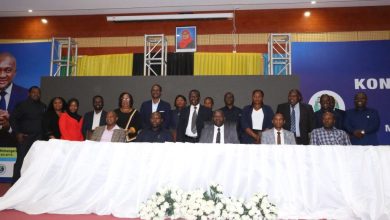
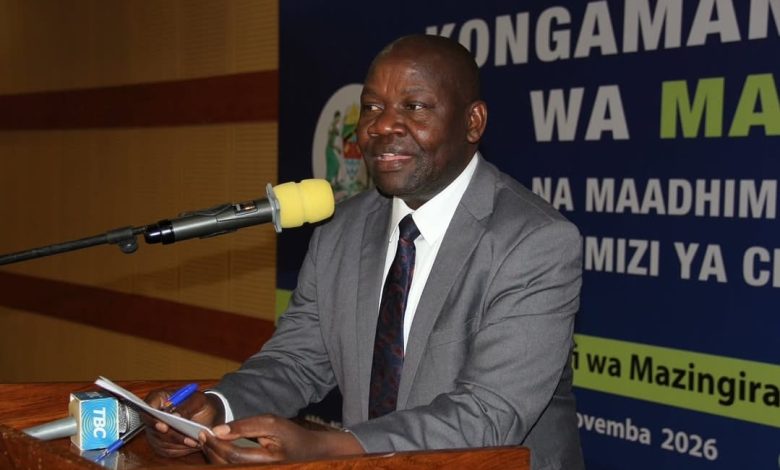
Speaking at a sanitation conference held alongside World Toilet Day commemorations in Dodoma on Thursday, Director of Preventive Services in the Ministry of Health, Dr Samweli Lazaro, who represented the Permanent Secretary, said concerted efforts were needed to ensure every household had and used a proper toilet.
Data collected through the National Sanitation Management Information System (NSMIS) between July and September 2026 show that 79 per cent of households have improved toilets.
“It is a shame for our country to still have households without toilets in this century. We must ensure that we eliminate them,” he said.
Dr Lazaro said access to safe water, proper toilets, personal hygiene and effective waste management was essential in protecting communities against preventable diseases and reducing healthcare costs.
He said this year’s World Toilet Day theme, Sanitation and Gender Equality, underscored the importance of inclusive sanitation facilities that cater for women, men, children, older people and persons with disabilities.
He commended Iringa and Njombe regions for attaining Open Defecation Free status, with all households in their villages having toilets. He said the United Nations Children’s Fund (UNICEF) was providing financial and technical support to Mbeya and Songwe regions to help them achieve the same status.
On environmental health, Dr Lazaro said proper waste management was crucial to keeping towns clean, addressing public complaints about accumulated rubbish and controlling communicable diseases.
He noted that communicable diseases account for more than 70 per cent of outpatient cases at health facilities, making improved sanitation and hygiene important in reducing the disease burden.
“The clearing waste from drainage systems and maintaining clean surroundings would also strengthen the country’s preparedness for climate-related challenges, including above-normal rainfall associated with El Niño,”he added.
Dr Lazaro urged environmental health officers to intensify inspections of households, institutions and public spaces to ensure proper sanitation and waste disposal.
He also called on regional leaders and local authorities to implement President Samia Suluhu Hassan’s directive on strengthening waste management. He said the Ministry of Health would continue working with the Ministry of Water to improve wastewater services, including providing councils with wastewater treatment infrastructure and transportation vehicles.
ALSO READ:Govt allocates 5.42bn/- for 6,283 school toilets
The government is also supporting sanitation improvements through the Sustainable Rural Water Supply and Sanitation Programme, which provides funds to 137 district councils to monitor the construction and use of household toilets and improve water and sanitation facilities in health centres.
Meanwhile, Coordinator of Health and Environmental Sanitation Services in the Prime Minister’s Office–Regional Administration and Local Government (PO-RALG), Mr Selemani Yondu, said the conference offered an opportunity to assess progress, identify implementation challenges and develop practical measures to improve service delivery.
He expressed concern over the shortage of environmental health officers at regional and council levels, noting that the few available staff were responsible for a wide range of duties, including sanitation in health facilities, schools and public places, disease surveillance, food safety and occupational health and safety.
Mr Yondu called for revised staffing guidelines and administrative structures that would provide for adequate numbers of officers and align their responsibilities with their workloads.
He also urged the government to retain environmental health as a standalone technical working group in the strategic plan under development.