IRDP graduates urged to use AI for inclusiveness
DODOMA: Graduates of the Institute of Rural Development Planning (IRDP) have been urged to use artificial intelligence (AI) responsibly to enhance inclusivity in society and seize emerging developments to sharpen their skills and remain relevant in the job market.
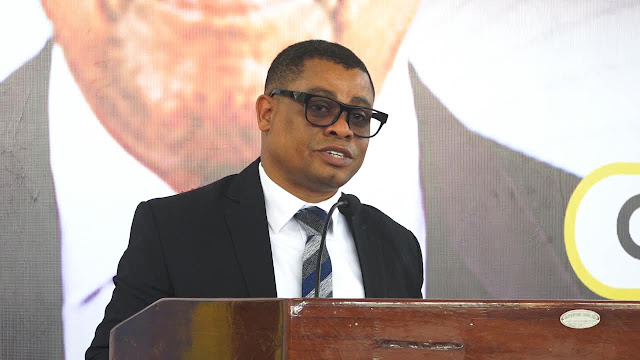
IRDP Board Chairperson Prof Joseph Kuzilwa offered the advice in Dodoma on Wednesday during the 19th IRDP Convocation, noting that while the technology can support teaching and learning, it can also weaken a person’s critical thinking if misused.
Prof Kuzilwa also urged this year’s graduates to use the knowledge and skills they have acquired to solve community challenges, become self-employed, and create jobs for others rather than relying solely on certificates to find employment, explaining that education should produce visible results in the lives of graduates and society as a whole.
For those already in employment, the IRDP chairperson urged them to collaborate with the institute by offering practical training placements for students, mentoring them, and helping them gain real-world work experience, while employers provide feedback that will help improve curricula and align them with job market demands.
Speaking at the well-attended event, IRDP’s Rector and Board Secretary, Prof Hozen Mayaya, said the institute has made significant strides in growth and education delivery—rising from 14 students and roughly 13 staff members to more than 15,000 students and 495 staff—adding that these achievements are part of the institute’s efforts to strengthen its contribution to national development.
Prof Mayaya said IRDP continues to strengthen its Mipango Entrepreneurship and Innovation Centre (MEI) to equip students with additional skills for self-employment and employability.
ALSO: Tanzania tasks IRDP to serve as a centre of research for Vision 2050 goals
According to the rector, the institute also plans to build a major innovation hub at the Furaha Campus in Dodoma City through a project estimated at 2.6bn/-, which will enable students and other stakeholders to access innovation opportunities.
For his part, the Deputy Rector for Academics, Research, and Consultancy (DR-ARC) at IRDP, Associate Professor Provident Dimoso, said the MEI programme has begun showing results through five graduates of the Diploma in Information and Communication Technology (ICT).
He said the diploma graduates developed a digital hospital queue-management system that allows a patient to register and receive their queue number along with the expected time to see a doctor.
He added that the system would be used to reduce patient waiting times at hospitals, as patients can continue with other activities while waiting for their appointment time.
During the convocation, the institute recognized top-performing students academically as well as lecturers who excelled in research and academic publications, a move aimed at promoting quality education, innovation, research, and the application of knowledge to solve societal problems.