PPRA introduces digital tool to detect procurement risks early

DODOMA: THE Public Procurement Regulatory Authority (PPRA) has introduced a new digital module to strengthen oversight of public procurement by enabling internal auditors to submit standardised audit reports and helping detect potential irregularities before they lead to losses of public funds.
Integrated into the electronic Public Procurement System (NeST), the module is expected to improve the timely submission, analysis and follow-up of procurement audit reports from more than 1,000 public institutions.
PPRA Director General Dennis Simba said the innovation would enable the authority to obtain information promptly, monitor compliance with procurement laws and intervene early where weaknesses or signs of non-compliance were identified.
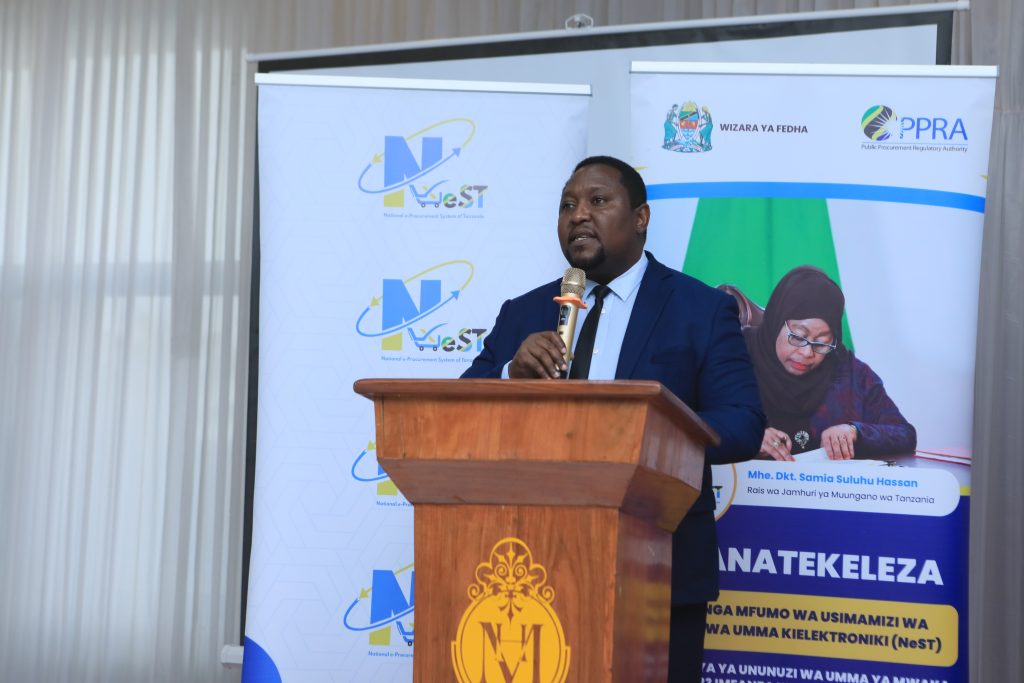
He was speaking on Thursday in Dodoma during the official launch of the module’s User Acceptance Test (UAT), which will allow users to assess its accuracy, accessibility and effectiveness before wider implementation.
More than 50 public institutions participated in the two-day training and testing exercise, which was aimed at familiarising users with the module and assessing its effectiveness before wider implementation.
Mr Simba said public institutions had been preparing procurement audit reports in different formats, making it difficult for the authority to analyse information consistently and monitor compliance effectively.
“When you look at reports from different institutions, there is no uniformity. Some prepare them in one format and others in a different way. This has also created challenges in monitoring and analysing them,” he said.
He said the new module would address the challenge by providing a common reporting platform, enabling PPRA to process information more efficiently and give timely feedback to institutions.
ALSO READ: PPRA: Framework deals open for e-journal purchases
Mr Simba said digital technologies, including artificial intelligence (AI), could further strengthen the analysis of procurement data and identification of potential risks, allowing the authority to make informed decisions and take preventive action.
He stressed that internal auditors should not limit their work to identifying weaknesses after procurement processes had been completed, but should also detect warning signs early, assess internal control systems and advise their institutions accordingly.

“When an internal auditor performs their work properly and reports risk indicators early, it helps to ensure intervention before things go wrong,” he said.
He urged heads of public institutions and accounting officers to take internal audit reports seriously and act on their recommendations, saying the reports were important in preventing errors, mismanagement and misuse of public funds.
Meanwhile, PPRA Director of Monitoring and Compliance, Eng Awadhi Suluo, said the module was the result of long-standing efforts to implement Regulation 92, which requires internal auditors to submit procurement audit reports every quarter.
He said collecting and analysing reports from public institutions would strengthen PPRA’s ability to monitor procurement activities and identify areas requiring intervention.
“The module would also position internal auditors as an additional layer of oversight in public procurement, helping the authority improve monitoring and compliance,” he said.